Dog Collar Safety & Replacement Checker
Inspection Checklist
That familiar click of the buckle. It’s a sound you hear every time you put on your dog’s gear for a walk. But have you ever stopped to look closely at that piece of hardware? Most owners treat a dog collar as a permanent accessory, something bought once and forgotten until it breaks or the dog outgrows it. The reality is much less forgiving. A frayed strap or a corroded clasp isn’t just an aesthetic issue; it is a potential escape route for your pet.
So, how often should you actually replace your dog’s collar? There is no single calendar date stamped on the packaging. Instead, the answer depends on material wear, your dog’s behavior, and their physical growth. Generally speaking, you should inspect your dog’s collar monthly and replace it every 6 to 12 months if it shows signs of stress. For puppies, that timeline shrinks dramatically to weeks rather than months.
The Monthly Inspection Routine
You don’t need to be a mechanic to spot trouble, but you do need to be consistent. Think of checking your dog’s collar like checking the tires on your car. You wouldn’t drive cross-country without looking at the tread depth, right? Apply that same logic here. Set a reminder on your phone for the first day of every month. When the alert pops up, grab your dog’s collar and run through this quick checklist:
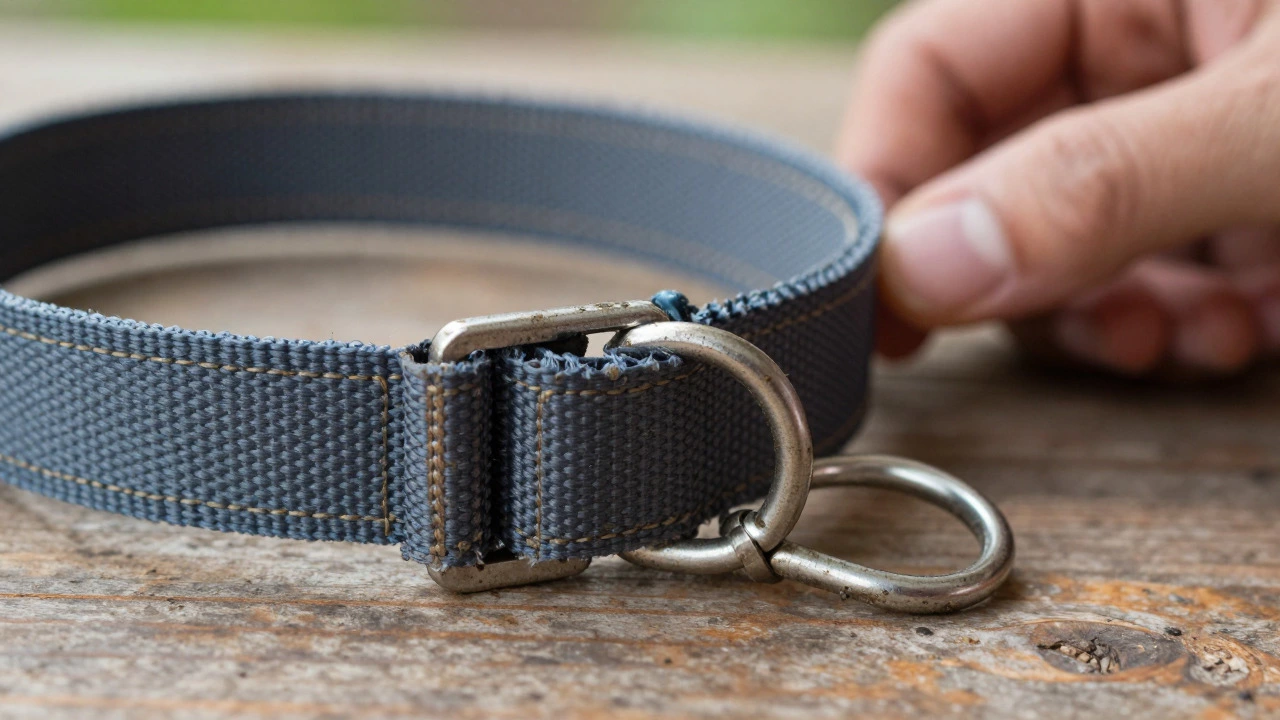
- Check the stitching: Look for loose threads or unraveling seams, especially near the D-ring where the leash attaches. This is the highest-stress point on any collar.
- Test the hardware: Open and close the buckle or snap several times. Does it feel stiff? Is there rust inside the mechanism? If it doesn’t click shut with satisfying ease, it might fail under tension.
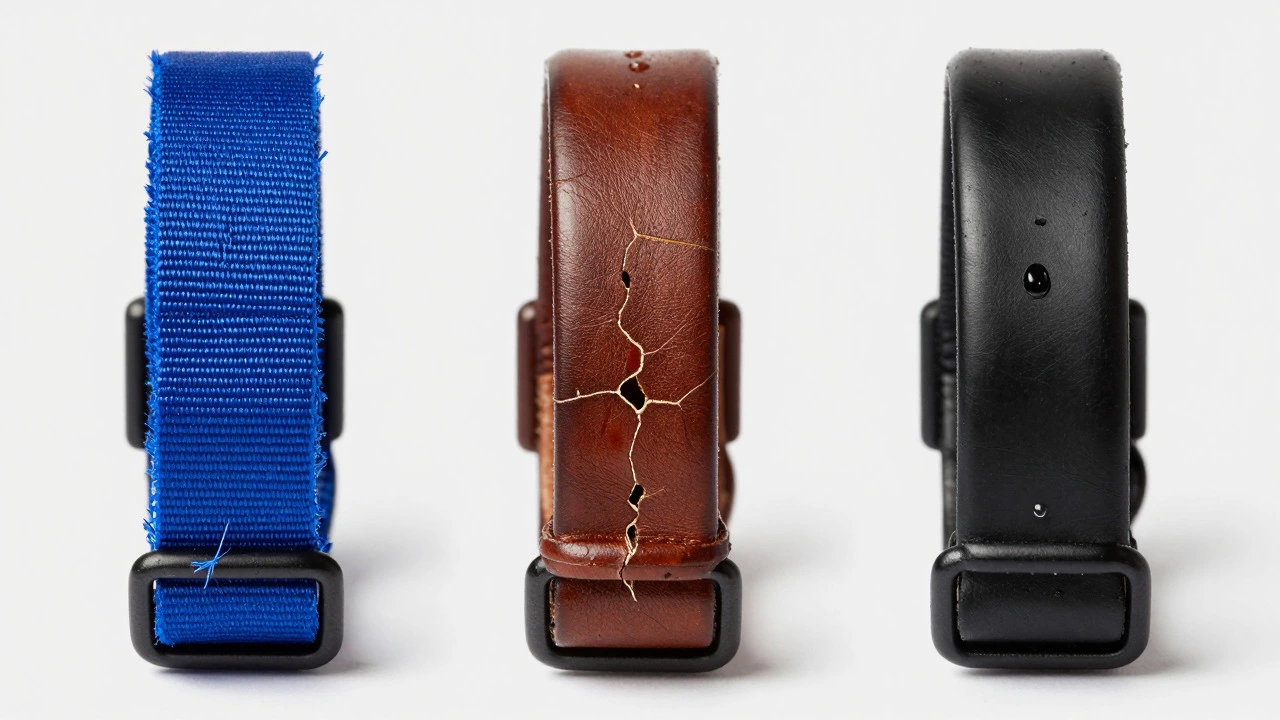
- Inspect the material: Run your fingers along the strap. Are there thin spots? Cracks in the leather? Fraying edges on the nylon?
- Look for discoloration: Deep stains from mud, urine, or saliva can indicate material breakdown. Urine, in particular, eats away at fabric fibers over time.
If you find any of these issues, do not wait for the next scheduled check. Replace the collar immediately. A compromised collar is a ticking clock.
Material Matters: Nylon vs. Leather vs. Biothane
The lifespan of a collar is heavily dictated by what it is made of. Not all materials age gracefully. Understanding the specific weaknesses of each type helps you predict when it will fail.
| Material | Average Lifespan | Common Failure Points | Best For |
|---|---|---|---|
| Nylon Webbing | 6-12 Months | Fraying edges, fading colors, stitching rot | Daily walks, active dogs, budget-friendly options |
| Genuine Leather | 1-3 Years | Cracking, drying out, buckle corrosion | Low-energy dogs, formal occasions, cold climates |
| Biothane (Synthetic) | 2-5 Years | Minimal wear, occasional hardware failure | Swimming, muddy environments, easy cleaning |
| Chain/Martingale | 3+ Years | Rust, link stretching, pin breakage | Training purposes, strong pullers (with supervision) |
Nylon collars are the most popular choice because they are cheap and colorful. However, they are also the most vulnerable. Sunlight causes UV degradation, turning strong fibers brittle. Moisture leads to mildew, which rots the stitching from the inside out. If your dog loves swimming or rolling in wet grass, a nylon collar will degrade faster than you think.
Leather collars offer durability but require maintenance. Without regular conditioning, leather dries out and cracks. Once a crack forms near the hole where the buckle sits, the collar can snap under pressure. Also, watch the metal parts. Salt air or sweat can cause galvanic corrosion between different metals (like brass buckles on steel rings), leading to sudden failure.
Biothane collars, a synthetic rubber-like material, are the dark horses of longevity. They resist water, odor, and dirt. You can wipe them clean with a damp cloth. Unless your dog has sharp claws that catch and slice the material, Biothane often lasts years. It is the best investment for owners who want to set it and forget it-mostly.
The Puppy Factor: Growth Spurts and Gear Changes
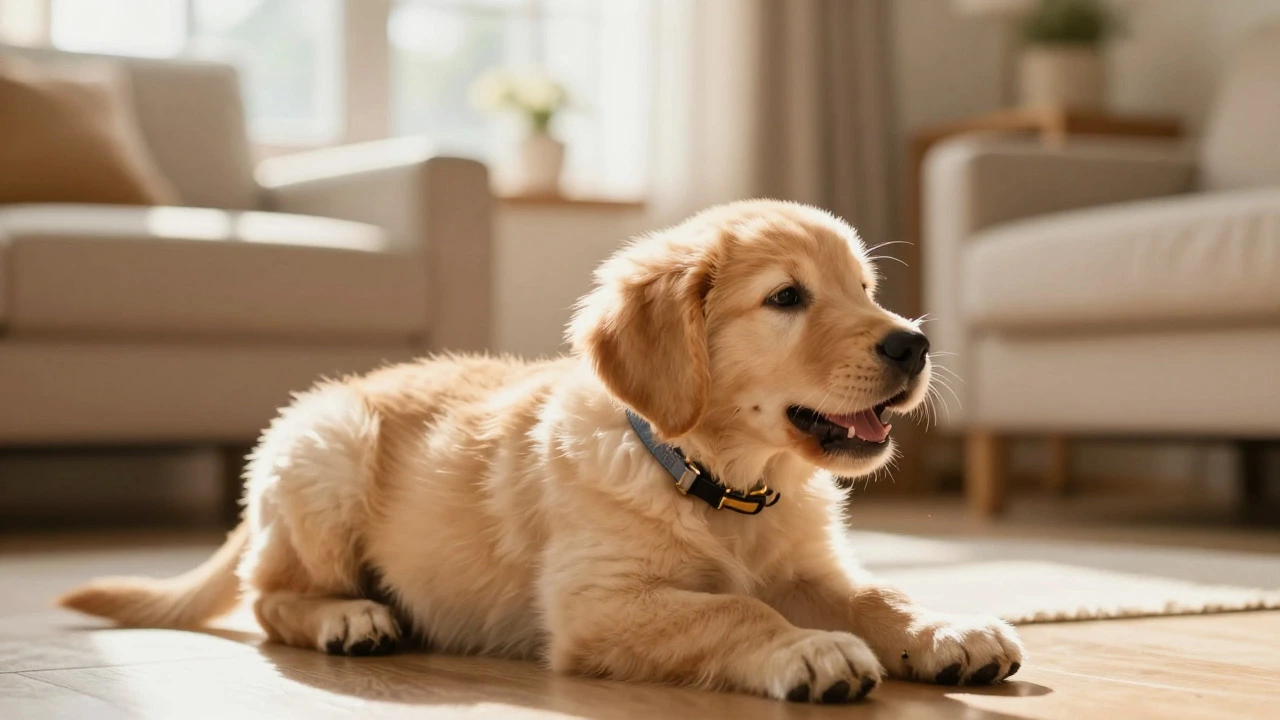
If you have a puppy, throw the general timelines out the window. Puppies grow at an astonishing rate, especially breeds like Labrador Retrievers, Golden Retrievers, and German Shepherds. A collar that fits perfectly today might be choking your pup in three weeks.
The "two-finger rule" is your best friend here. You should always be able to slide two fingers comfortably between the collar and your dog’s neck. If you can only fit one finger, or none at all, the collar is too tight. If the collar slides easily over the head, it is too loose and risks slipping off.
For fast-growing breeds, expect to buy a new collar every 4 to 8 weeks during the first six months of life. Some smart owners buy adjustable collars that extend significantly, but even these have limits. A collar stretched to its maximum length often loses its structural integrity. The webbing thins out, and the hardware takes more strain. Don’t stretch it to the breaking point.
Behavioral Wear: Pullers vs. Walkers
Your dog’s personality plays a huge role in collar longevity. A Greyhound that trots politely beside you puts minimal stress on the gear. A Husky that pulls like a sled dog exerts hundreds of pounds of force on that D-ring and buckle with every step.
If your dog is a puller, inspect the area around the D-ring weekly. This is where the leverage happens. Look for:
- Stretched fabric loops around the ring.
- Bent or deformed metal rings.
- Loose rivets holding the ring in place.
For strong pullers, consider switching from a flat collar to a harness for daily walks. A harness distributes pressure across the chest and shoulders, sparing the neck and the collar. Use the collar primarily for ID tags and light handling, not for restraining power.
When to Upgrade for Safety Features
Sometimes, it’s time to replace the collar not because it’s broken, but because it’s inadequate for your current needs. Did you recently move to a rural area with wildlife? Is your dog aging and becoming less responsive? These lifestyle changes demand better gear.
Consider upgrading if:
- ID Tags are Worn Out: If the engraving on your ID tag is faded or unreadable, the collar serves no emergency purpose. Get a new tag or a new collar with a built-in QR code system.
- Reflectivity Has Faded: Many nylon collars have reflective strips sewn in. Over time, washing and abrasion dull these strips. If you walk at dusk or dawn, poor visibility is a risk. Replace it with a fresh, high-visibility option.
- Technology Integration: Modern GPS trackers and Bluetooth finders are becoming smaller and lighter. If your old collar doesn’t have a secure loop for a tracker, or if the existing slot is too wide, upgrade to a collar designed for tech integration.
Cleaning and Maintenance Extends Life
You can double the life of many collars with proper care. Dirt and grit act like sandpaper, grinding down fibers and metal surfaces. Regular cleaning removes these abrasive particles.
For nylon collars, hand wash them in warm soapy water. Avoid harsh bleach, which weakens synthetic fibers. Let them air dry completely before putting them back on your dog. Never leave a wet collar on a shelf; it breeds bacteria and mold.
For leather, use a dedicated leather conditioner every few months. This keeps the hide supple and prevents cracking. Wipe down Biothane with a disinfectant wipe after muddy adventures. It takes ten seconds and keeps the material pristine.
Hardware needs attention too. If you live near the coast, salt spray accelerates rust. Rinse the metal parts with fresh water after beach walks. A drop of lubricant on the buckle hinge can keep it operating smoothly for years.
Signs It’s Time to Throw It Away
Here is the bottom line. Replace your dog’s collar immediately if you see any of these red flags:
- Visible Fraying: Threads hanging loose near the buckle or D-ring.
- Cracked Leather: Any deep fissures in the material.
- Rusted Hardware: Rust flakes that stick to your fingers or prevent the buckle from closing fully.
- Stiff Buckle: If you have to force it shut, it won’t hold under stress.
- Stretching: The collar feels loose even at the tightest setting, indicating material fatigue.
Don’t gamble with your dog’s safety. A $15 collar is cheap insurance against a lost pet. If you’re unsure, err on the side of caution and swap it out. Your peace of mind is worth more than saving a few dollars on a worn-out accessory.
How do I know if my dog's collar is too tight?
Use the two-finger test. Slide two fingers horizontally between the collar and your dog's neck. If you can't fit two fingers comfortably, it's too tight. If the collar slides easily over the ears, it's too loose. Check this frequently, especially after meals or exercise when swelling may occur.
Can I wash my leather dog collar?
Avoid soaking leather collars. Wipe them down with a damp cloth and mild soap solution. After cleaning, let them air dry away from direct heat sources like radiators. Once dry, apply a leather conditioner to restore oils and prevent cracking. Machine washing will ruin most leather collars.
Why does my nylon collar smell bad?
Odors usually come from trapped moisture, dirt, and bacteria. Nylon absorbs smells easily. Hand wash the collar in warm water with enzymatic cleaner designed for pets. Ensure it dries completely before reuse. Persistent odors may indicate internal fiber breakdown, suggesting it's time to replace the collar.
Should I replace the collar if only the ID tag is damaged?
Not necessarily. If the collar itself is in good condition, you can simply replace the ID tag. However, check the ring holding the tag. If the ring is bent or cracked from the weight of the tag, replace the entire collar. A broken ring can lead to lost tags or accidental ingestion of small metal parts.
How often should I change a puppy's collar?
Puppies grow rapidly, so check the fit weekly. Expect to replace the collar every 4 to 8 weeks during the first six months. Choose adjustable collars with multiple holes to extend usability. Monitor for signs of chafing or hair loss, which indicate improper fit or material irritation.