Dog Grooming Schedule Calculator
Select your dog's coat type below to get a personalized grooming schedule tailored to their specific needs.
Continuous Growth
Long, silky hair that grows continuously like human hair. Prone to matting.
High MaintenanceDouble Coat
Dense underlayer for insulation plus coarser outer layer. Heavy seasonal shedding.
Seasonal CareShort Smooth
Flat-lying, minimal length. Low tangling risk but regular hygiene needed.
Low MaintenanceProfessional Grooming Schedule
Home Care Routine
Common Breeds
Picture this: it’s a windy day in Wellington, and your dog comes inside looking like a walking tumbleweed. Or perhaps you’re staring at a pile of fur on the vacuum bag that seems to have appeared out of thin air. If you’ve ever wondered why your neighbor’s Poodle gets groomed every four weeks while their Labrador owner barely touches a brush, you aren’t alone. The question isn’t just about aesthetics; it’s about health, comfort, and managing that inevitable hair everywhere.
There is no single magic number for how many times a year a dog should be groomed. It depends entirely on what kind of coat your dog has. Some breeds need professional attention every six weeks, while others might only need a thorough trim once or twice a year-if they need one at all. Getting this wrong can lead to painful matting, skin infections, or simply an uncomfortable pet who feels weighed down by their own hair.
Quick Answer: How often should I take my dog to the groomer?
For most dogs with high-maintenance coats (like Poodles or Shih Tzus), professional grooming every 4-6 weeks is standard. Dogs with short, smooth coats (like Beagles or Dalmatians) typically only need professional grooming 2-4 times a year for baths and nail trims. Double-coated breeds (like Huskies) usually require professional de-shedding treatments 2-4 times a year, coinciding with seasonal changes.
Understanding Coat Types: The Foundation of Grooming Frequency
To figure out your dog’s schedule, you first need to identify their coat type. Not all fur is created equal. Biologically, dog coats fall into three main categories, each demanding a different approach to maintenance. Misidentifying your dog’s coat type is the most common reason owners end up over-grooming or under-grooming their pets.
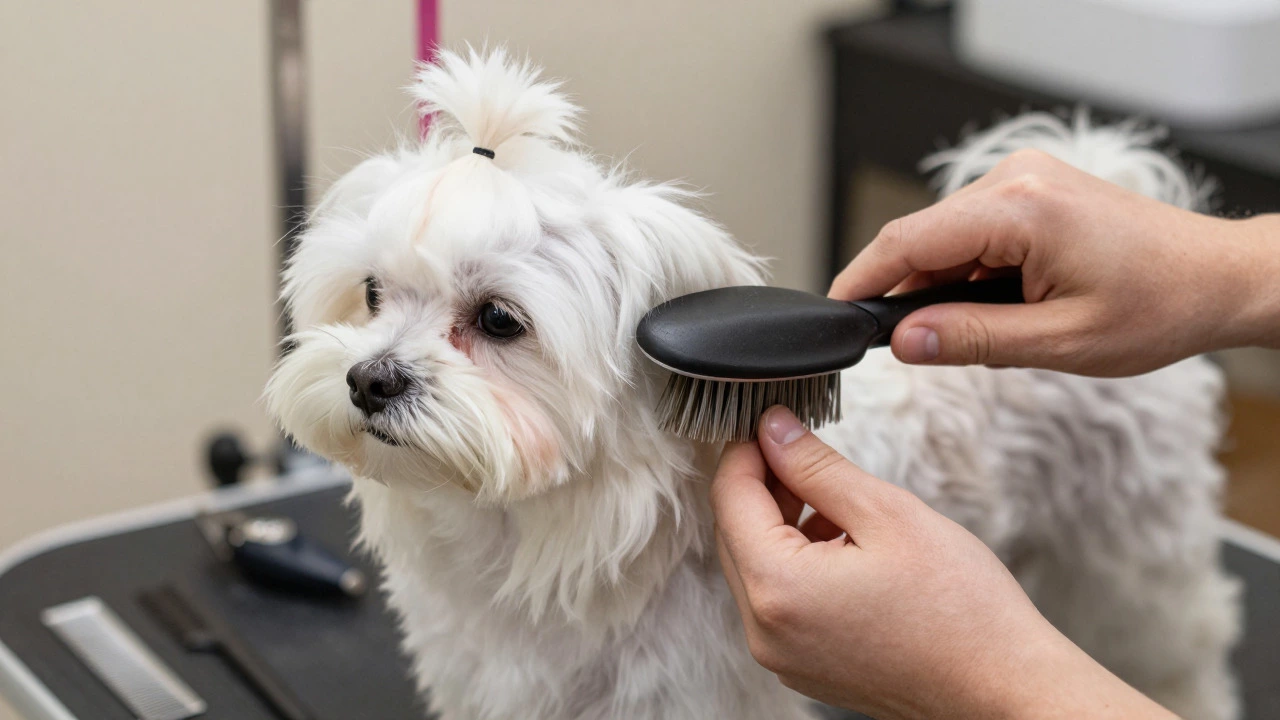
Single Coats are coats consisting of only one layer of hair, which can be either long and silky or short and fine. These include breeds like the Afghan Hound, Maltese, and Yorkshire Terrier. Because there is no undercoat to trap dirt or regulate temperature through density, these hairs grow continuously, much like human hair. They do not shed significantly but are prone to tangling and matting if left unbrushed.
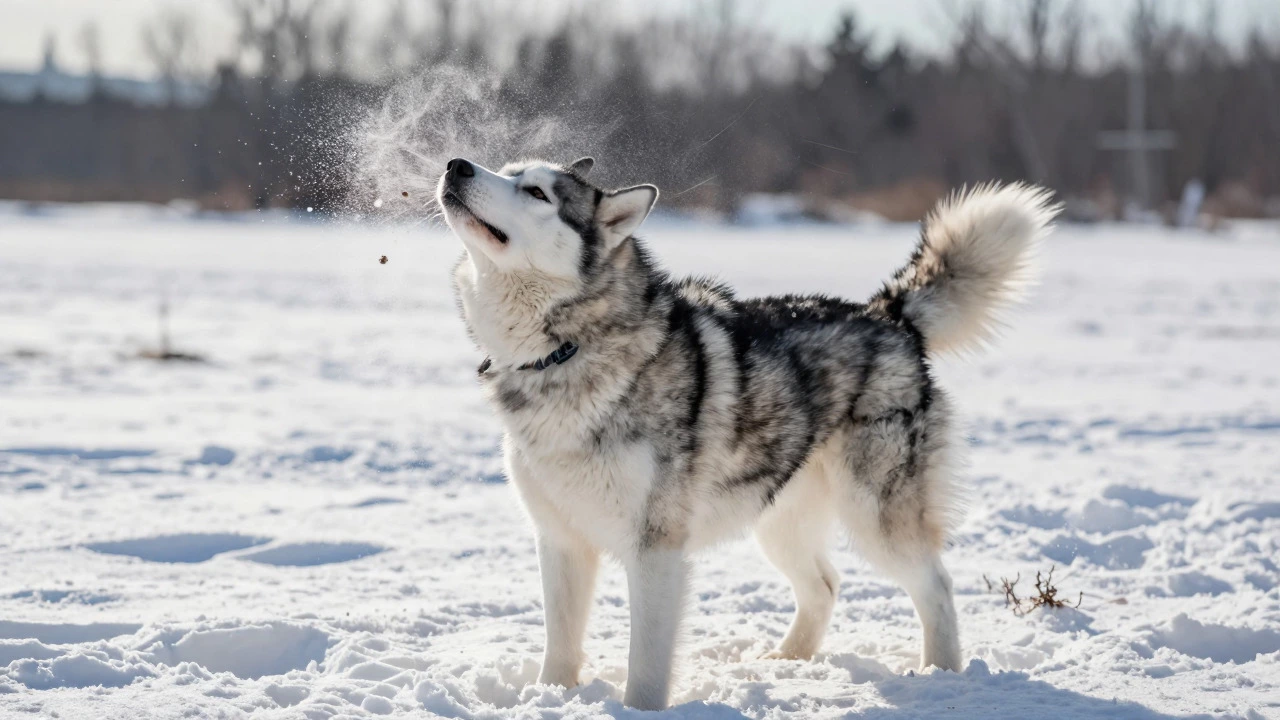
Double Coats consist of a dense, soft underlayer for insulation and a longer, coarser outer layer for protection against weather and debris. Think Siberian Huskies, Golden Retrievers, German Shepherds, and Chow Chows. This setup is designed for extreme climates. The undercoat sheds heavily during seasonal transitions (spring and autumn), creating what we call "blowing coat."
Short Smooth Coats are found on breeds like Boxers, Dalmatians, and Greyhounds. These coats lie flat against the body and have minimal length. They shed moderately year-round but rarely tangle. Their primary grooming needs are hygiene-related rather than structural.
The High-Maintenance Group: Continuous Growth Coats
If your dog has a continuous growth coat-often seen in toy breeds and poodle mixes-they are essentially wearing a wig that never stops growing. Without intervention, this hair will curl around their paws, covering their eyes, and eventually matting tightly against their skin. Mats are not just ugly; they pull on the skin, restrict movement, and create warm, moist environments where bacteria and yeast thrive.
For these dogs, professional grooming every 4 to 6 weeks is non-negotiable if you want to keep them comfortable. During these sessions, the groomer will clip the coat to a manageable length, clean the ears, trim nails, and express anal glands if necessary. Between visits, daily brushing is essential. Skipping even a few days of brushing can turn a simple tangle into a surgical removal situation, where the dog must be shaved completely.
- Breeds: Poodle, Bichon Frise, Shih Tzu, Maltese, Yorkshire Terrier, Lhasa Apso.
- Professional Frequency: Every 4-6 weeks.
- Home Care: Daily brushing with a slicker brush and metal comb.
- Risk of Neglect: Severe matting leading to skin infections and pain.
The Seasonal Shedders: Managing the Double Coat
Dogs with double coats operate on a biological clock tied to daylight hours and temperature changes. In spring, they shed their thick winter undercoat to prepare for warmer weather. In autumn, they shed the lighter summer coat to grow the insulating winter layer. This process, known as blowing coat, results in massive amounts of loose hair that must be removed to allow new healthy hair to grow.
A common mistake here is shaving a double-coated dog. While it might seem like an easy way to deal with the shedding, shaving destroys the natural texture and protective qualities of the coat. It can also disrupt the dog’s ability to regulate body temperature, making them susceptible to sunburn and overheating. Instead, these dogs benefit from professional de-shedding treatments 2 to 4 times a year, timed with the seasonal shifts.
In New Zealand, where seasons are distinct but can be unpredictable, timing is key. Most double-coated dogs here will blow their coat in late spring (November/December) and again in late autumn (May/June). Professional groomers use specialized tools like undercoat rakes and deshedding blades to remove the loose underhair without damaging the topcoat.
- Breeds: Husky, Malamute, Golden Retriever, German Shepherd, Bernese Mountain Dog, Akita.
- Professional Frequency: 2-4 times per year (seasonal).
- Home Care: Brushing 2-3 times weekly, increasing to daily during shedding season.
- Risk of Neglect: Skin irritation, hot spots, and reduced insulation efficiency.
The Low-Maintenance Group: Short and Smooth Coats
Let’s give credit where it’s due: some dogs are genuinely low-maintenance. Breeds with short, smooth coats don’t tangle, and their hair falls out easily when brushed. For these dogs, professional grooming is less about coat management and more about hygiene. They still accumulate dirt, oils, and odors, so regular baths are necessary. Additionally, their nails grow quickly, and ear cleaning prevents wax buildup.
For these breeds, visiting the groomer 2 to 4 times a year is usually sufficient. These visits focus on a good bath, blow-dry, nail trim, ear cleaning, and teeth brushing if available. You don’t need to worry about clipping their hair unless you prefer a specific look, but functionally, their coat requires minimal intervention.
- Breeds: Beagle, Boxer, Dalmatian, Greyhound, Weimaraner, Doberman Pinscher.
- Professional Frequency: 2-4 times per year.
- Home Care: Weekly brushing with a rubber curry brush or hound glove.
- Risk of Neglect: Dirty coat, overgrown nails affecting posture, ear infections.
Factors That Change the Schedule
Even within breed standards, individual factors can alter your grooming timeline. Age is a significant variable. Puppies have softer, finer coats that change texture as they mature. Senior dogs may have drier skin and brittle hair, requiring gentler handling and potentially more frequent baths to manage skin issues.
Lifestyle plays a huge role too. A dog that spends its days hiking in the bush will pick up burrs, mud, and allergens much faster than a city apartment dog. Regular rinses and checks for foreign objects become part of the routine. Allergies, both environmental and food-based, can cause excessive shedding or skin flaking, necessitating medicated shampoos and more frequent professional washes.
Health conditions such as hypothyroidism or Cushing’s disease can drastically change coat quality. If you notice sudden bald patches, excessive dryness, or a change in hair texture, consult your veterinarian before assuming it’s just a grooming issue. Sometimes, the solution is medical, not cosmetic.
| Coat Type | Professional Visits/Year | Home Brushing Frequency | Primary Goal |
|---|---|---|---|
| Continuous Growth (Single) | 8-12 times | Daily | Prevent matting |
| Double Coat | 2-4 times | 2-3x/week (Daily in season) | Remove loose undercoat |
| Short Smooth | 2-4 times | Weekly | Hygiene and nail care |
Essential Home Grooming Tools
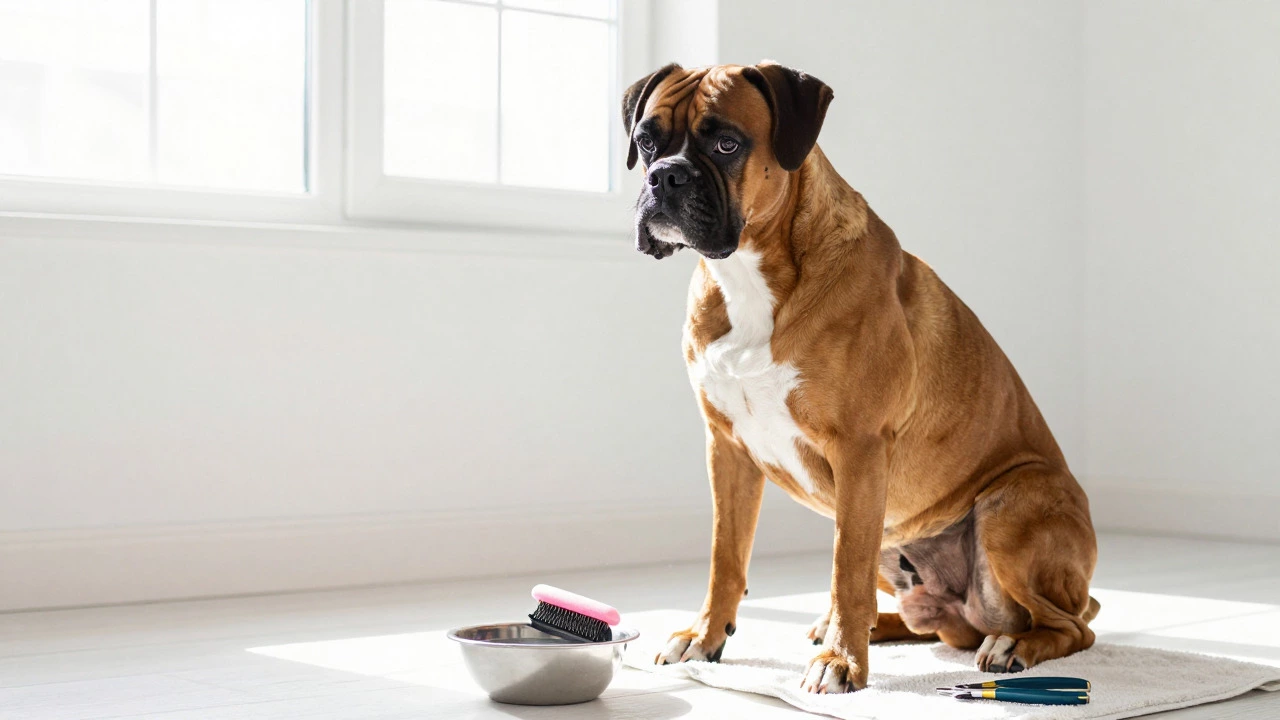
You don’t need to spend a fortune on equipment, but having the right tools makes a massive difference. Using the wrong brush can damage the coat or irritate the skin. Here is what you should have in your grooming kit based on your dog’s needs.
- Slicker Brush: Ideal for medium to long coats. The fine wires penetrate the topcoat to remove tangles and mats near the skin. Use gently to avoid scratching.
- Metal Comb: Essential for checking work. After brushing, run a comb through the coat. If it catches, you haven’t finished. Great for delicate areas like behind the ears and under the legs.
- Undercoat Rake: Specifically for double-coated breeds. The long teeth reach through the topcoat to pull out loose underhair without cutting the guard hairs.
- Rubber Curry Brush/Hound Glove: Perfect for short-haired dogs. It massages the skin, distributes natural oils, and loosens dead hair for easy removal.
- Nail Clippers: Guillotine style for small dogs, scissor style for large breeds. Keep styptic powder nearby in case you nick the quick.
Signs Your Dog Needs Immediate Attention
Sometimes, the schedule goes out the window because your dog shows clear signs of distress. Watch for these red flags that indicate it’s time to book an appointment or step up your home care immediately.
- Mats touching the skin: If you can’t get your fingers to the skin easily, mats are forming. These tighten over time and can cut off circulation.
- Overgrown nails clicking on floors: Long nails alter your dog’s gait, putting stress on joints and tendons. They can even curl back into the paw pads.
- Excessive itching or licking: This could signal skin irritation from trapped dirt, parasites, or allergies exacerbated by poor grooming.
- Foul odor: A healthy dog shouldn’t smell bad. Persistent odor often points to infected ears, dirty sanitary areas, or skin infections hidden under matted fur.
- Hair blocking vision: Long hair in the eyes can cause scratches, infections, or chronic irritation. Keep facial hair trimmed or tied up.
Frequently Asked Questions
Should I shave my double-coated dog in summer?
Generally, no. Shaving a double-coated dog removes their natural protection against sunburn and overheating. The coat acts as insulation, keeping heat out in summer and warmth in during winter. Instead, opt for a professional de-shedding treatment to remove the loose undercoat, which helps them stay cooler without compromising their skin health.
How often should I bathe my dog?
Most dogs only need bathing every 4 to 6 weeks. Over-bathing strips natural oils from the skin, leading to dryness and irritation. However, active dogs that roll in mud or dogs with skin conditions may need more frequent baths using gentle, moisturizing shampoos. Always rinse thoroughly to prevent residue buildup.
Can I groom my dog at home instead of going to a professional?
Yes, for basic maintenance like brushing, nail trimming, and bathing. However, professional groomers have specialized tools and training to handle complex cuts, severe matting, and anxious dogs safely. For high-maintenance breeds, a combination of daily home care and regular professional visits is usually the best approach.
Why does my dog smell like corn chips?
That "Frito" smell is usually caused by bacteria or yeast living in the fur between the toe pads. It’s common in breeds with hairy feet. Regularly trimming the hair between the toes and drying the paws thoroughly after walks can help reduce the odor. If the smell persists or is accompanied by redness, see a vet to rule out infection.
How do I stop my dog from shaking off water after a bath?
It’s nearly impossible to stop the instinct, but you can minimize the mess. Towel dry your dog thoroughly in the bathroom before letting them roam free. Use a high-velocity dryer if you have one, as it forces water out of the undercoat. Reward calm behavior with treats during the drying process to create positive associations.