Dog Bed Replacement Calculator
Select your dog's details on the left and click calculate to see a personalized replacement schedule.
Most dog owners wash their dog beds is a soft resting place designed for pets to sleep on. However, few think about when the bed itself needs replacing. It’s not just about stains or a torn seam; it’s about your dog’s joint health and hygiene. If you’re wondering how often to swap out that old cushion, the answer depends on material quality, usage, and your dog’s specific needs.
Quick Summary / Key Takeaways
- Standard foam beds typically last 1-3 years before losing support.
- Orthopedic memory foam can last 3-5 years if properly maintained.
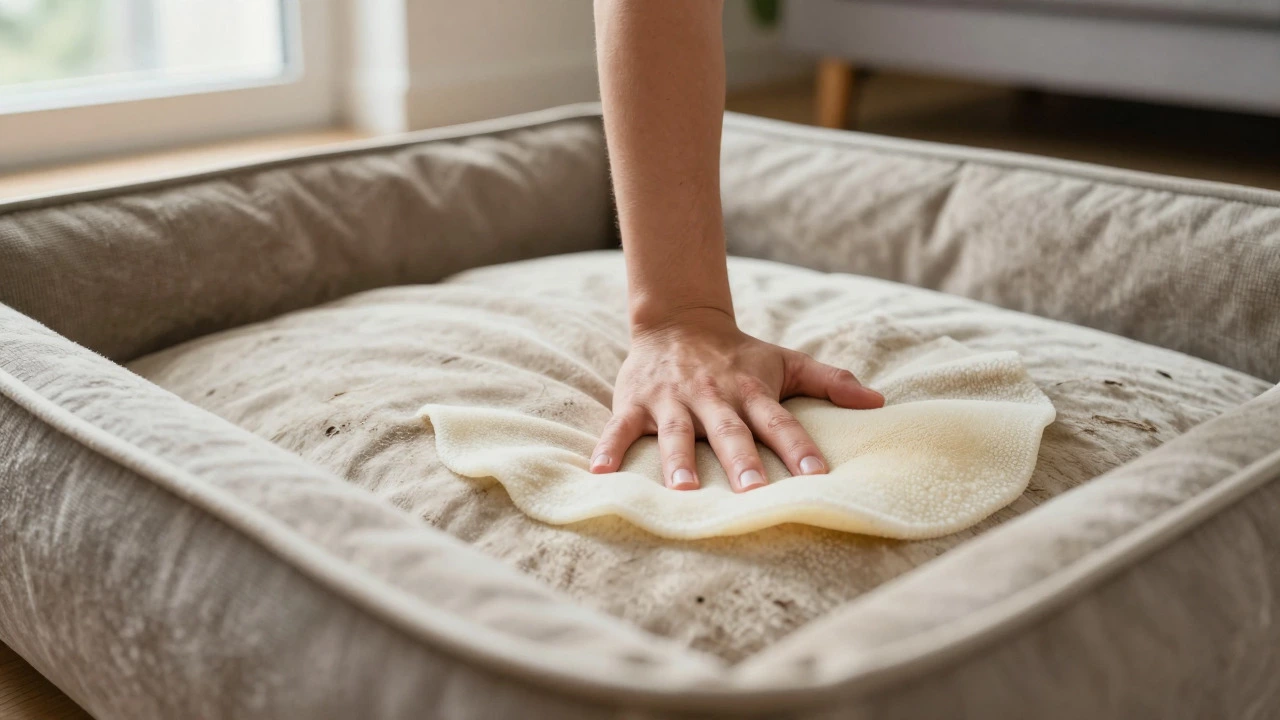
- Wash covers every 2 weeks, but inspect the inner core monthly.
- Dogs with arthritis or senior dogs may need more frequent replacements due to faster wear.
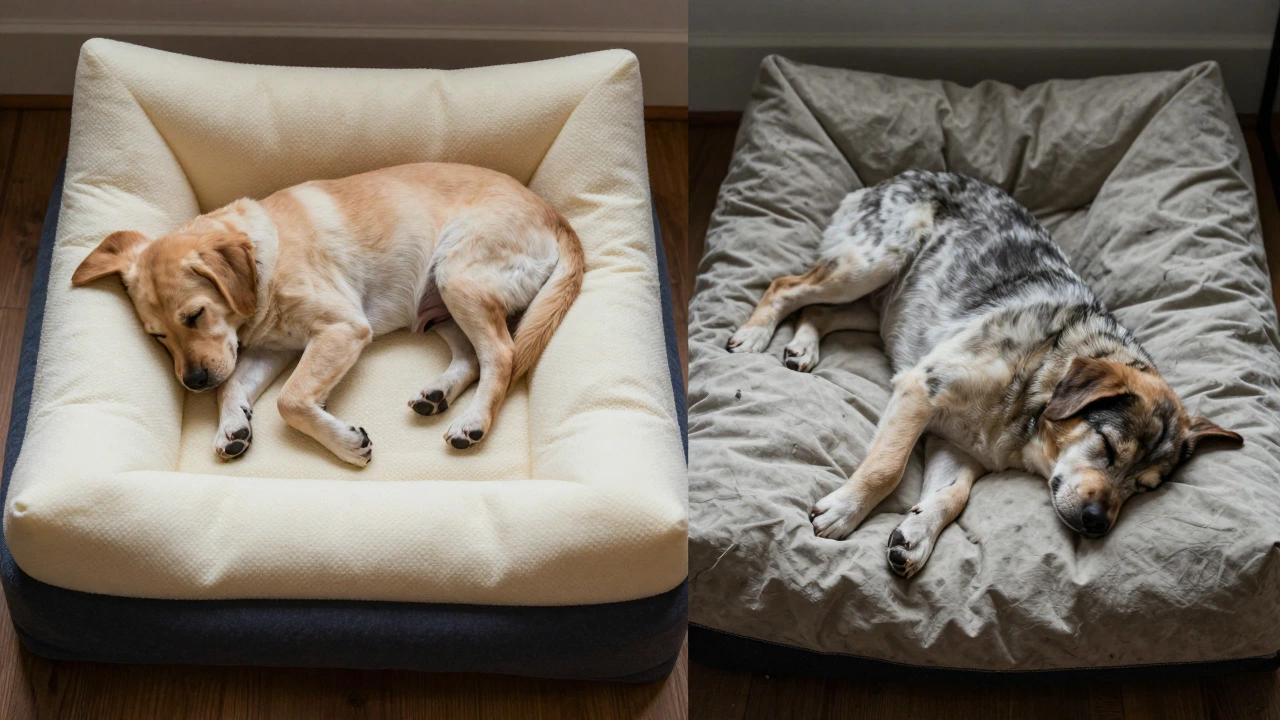
- Signs of failure include sagging, lumps, persistent odors, or increased restlessness.
Why Replacement Timing Matters More Than You Think
A dog bed isn’t just furniture; it’s a critical part of your pet’s daily recovery. When the filling compresses permanently, it stops distributing weight evenly. This puts pressure on hips and elbows, which can exacerbate conditions like hip dysplasia or osteoarthritis. In Wellington, where many homes have older flooring or damp corners, moisture retention in old beds also promotes bacterial growth. Even if the cover looks clean, the internal structure degrades silently. Think of it like running on a flat tire-it might hold air for a bit, but the ride gets worse until it fails completely.
Factors That Determine Lifespan
Not all beds are created equal. The duration you get from one depends heavily on three main variables: material density, dog size, and environmental exposure.
- Material Type: High-density polyurethane foam retains its shape longer than standard polyester stuffing. Memory foam offers superior contouring but can break down faster if exposed to direct sunlight or heat sources.
- Dog Weight & Activity: A 40kg Labrador sleeping 12 hours a day will compress a bed much faster than a 5kg Chihuahua who naps intermittently. Heavy breeds often require denser cores, which generally last longer but cost more upfront.
- Care Routine: Using a waterproof liner reduces moisture damage. Air-drying the bed after washing prevents mold buildup inside the seams.
General Guidelines by Bed Type
To give you a concrete starting point, here is a breakdown based on common bed styles found in New Zealand pet stores.
| Bed Type | Average Lifespan | Key Failure Point | Ideal For |
|---|---|---|---|
| Standard Polyester Fill | 6 months - 1 year | Clumping and flattening | Small dogs, budget options |
| High-Density Foam | 2 - 3 years | Edge compression | Medium to large active dogs |
| Orthopedic Memory Foam | 3 - 5 years | Surface indentation | Senior dogs, arthritic joints |
| Basket/Wicker Beds | 1 - 2 years (cushion only) | Cushion degradation | Dogs who like security |
Warning Signs It’s Time to Replace
You don’t need a calendar reminder if you know what to look for. Check these indicators during your regular cleaning routine:
- The "Pancake" Test: Press down on the center of the bed. If it doesn’t spring back within 5 seconds, the foam has lost its resilience.
- Visible Lumps: Clumped filling indicates the inner fibers have broken down. This creates uneven surfaces that hurt sensitive joints.
- Persistent Odor: If the smell remains even after washing the cover and airing out the core, bacteria or mold has likely penetrated deep into the material.
- Behavioral Changes: Is your dog sleeping in different spots around the house? Restlessness or refusing to lie down on the familiar spot can signal discomfort.
- Physical Damage: Torn seams let filling escape, reducing support and creating choking hazards if small pieces are ingested.
Maintenance Tips to Extend Bed Life
Replacing a bed is expensive, so maximizing its lifespan is smart. Here’s how to keep it fresh without overworking it:
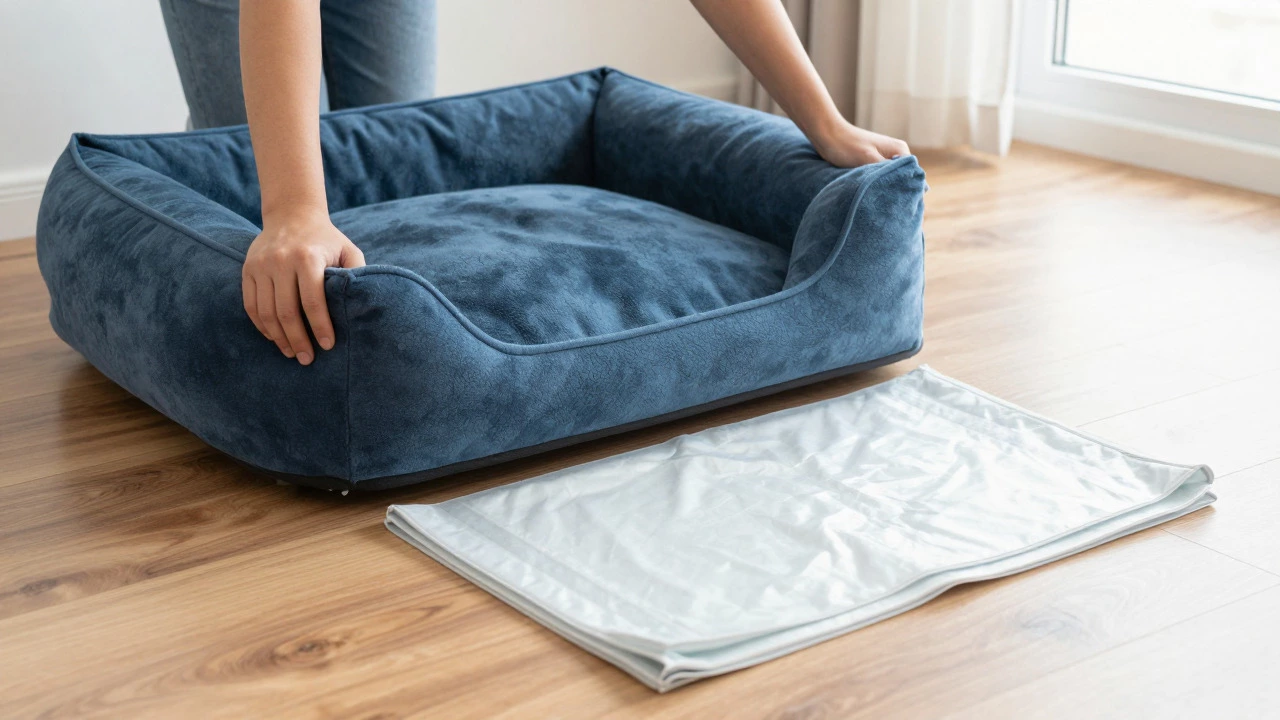
- Use a Waterproof Liner: Place a washable liner between the dog and the bed. This catches hair, dirt, and accidents, allowing you to skip deep-cleaning the main body as often.
- Air It Out Weekly: In humid climates like ours, moisture is the enemy. Lift the bed off the floor once a week to allow air circulation underneath. This prevents mildew, especially in winter months.
- Rotate the Position: If your dog always sleeps in the same corner, rotate the bed 180 degrees monthly. This distributes wear evenly across the surface.
- Check the Zippers: Weak zippers are the first sign of structural failure. Repair them early to prevent the entire cover from tearing open.
Special Considerations for Senior Dogs
If your dog is over seven years old, the rules change slightly. Older dogs have less muscle mass to protect their bones, making proper support crucial. An orthopedic bed that was comfortable two years ago might now be too firm or too soft depending on their current condition. Monitor their posture closely. If they struggle to stand up from the bed, the support level may no longer match their needs. In these cases, you might need to replace the bed sooner than the general guideline suggests, perhaps every 2-3 years instead of 5.
Cost vs. Health Trade-Off
It’s tempting to hold onto an old bed because a new one costs $100-$300. But consider the long-term veterinary costs associated with poor joint health. Treating advanced arthritis involves pain management, supplements, and potentially surgery. A high-quality orthopedic mattress is a specialized bedding product designed to alleviate joint pressure investment pays for itself in comfort and reduced medical bills. Plus, a happy, well-rested dog is easier to manage and happier to be around.
Frequently Asked Questions
How do I know if my dog's bed is too hard?
If your dog avoids the bed, sleeps curled tightly, or wakes up stiff, the surface might be too firm. Conversely, if they sink in completely and struggle to rise, it might be too soft. The ideal balance allows the dog to lie flat with their spine aligned, without excessive pressure points on hips or elbows.
Can I use human mattresses for dogs?
Technically yes, but it’s rarely practical. Human mattresses are designed for different weight distributions and sizes. They are also harder to clean and move. Unless you have a very large breed and a spare room, a dedicated dog bed offers better hygiene control and portability.
What is the best material for dogs with allergies?
Look for hypoallergenic fills like microfiber or latex alternatives to traditional polyester. Avoid feather fills, which can trap dust mites. Ensure the outer fabric is machine-washable at high temperatures to kill allergens effectively.
Should I replace the bed if my dog sheds a lot?
Shedding itself doesn’t require immediate replacement, but it accelerates clogging of the fabric pores, which can trap dirt and odors. If the bed feels rough or holds hair deeply despite vacuuming, it’s time to consider a replacement with a smoother, more shed-resistant fabric.
Is it better to buy two cheap beds or one expensive one?
For most dogs, one high-quality bed is better. Cheap beds lose support quickly, leading to joint issues. Having two cheap beds means constantly swapping out failing units. Invest in one durable, orthopedic-grade bed that lasts several years, and use a cheap washable liner for daily protection.