Personalized Dog Grooming Planner
Your Customized Grooming Plan
Results will appear here...
Professional Visit
--
Recommended interval between groomer appointments
Home Brushing
--
Recommended times per week to brush at home
Priority Check
--
Critical area to monitor this month
Includes bath, cut, and nail trim.
There is a persistent myth floating around pet ownership forums that every dog needs a wash and cut every month. That’s simply not true. If you shower your Golden Retriever twice a week, you strip natural oils from its skin faster than its body can replenish them. On the other hand, waiting six months to check a Poodle’s coat guarantees severe matting and potential health risks. The right schedule depends entirely on your dog’s genetics, lifestyle, and coat texture.
Most veterinary dermatologists and certified master groomers agree on a baseline framework, but the devil hides in the details. Your dog’s hair grows differently depending on its breed history. A Husky needs to blow its winter coat out completely in spring, while a Maltese has hair that grows continuously like humans. Understanding these biological differences is the only way to build a realistic plan that keeps your dog healthy and comfortable.
Decoding Coat Types and Growth Patterns
The first step in finding the right schedule is identifying what kind of fur your dog carries. This isn’t just about aesthetics; it dictates how debris gets trapped and how easily mats form under the top layer.
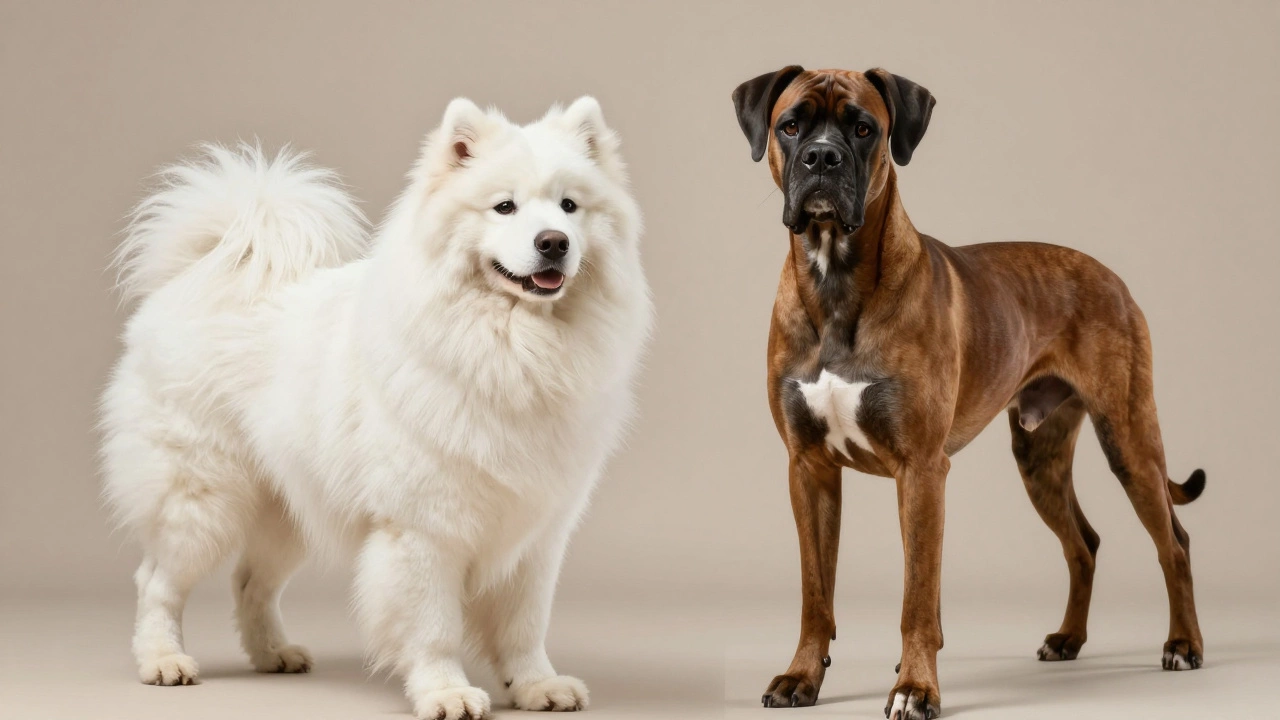
Double-Coated Breeds are designed for insulation. These dogs have a soft, dense undercoat and a coarser topcoat. Common examples include German Shepherds, Samoyeds, and Collies.
These dogs produce significant shedding year-round but undergo massive “blow-outs” twice a year when seasons change.If you own a double-coated dog, professional grooming focuses less on cutting and more on deshedding. They usually need professional attention every 6 to 8 weeks during peak shedding seasons to prevent skin irritation caused by trapped dead hair. During non-shedding periods, they can stretch visits to every 8 to 10 weeks, provided you brush daily at home.
Single-Coated Breeds, such as Beagles, Boxers, and Weimaraners, have only one layer of hair.
This means they don’t trap loose hair underneath the surface, but the hair stays relatively short naturally.These dogs typically require less intensive maintenance. For most single-coat pets, a professional visit once every 3 months is often sufficient unless they spend a lot of time rolling in mud. Their main needs outside the shop are nail trims and ear cleaning.
Then there are Allergy-Friendly Coats. Many people assume this means no shedding. In reality, breeds like Poodles, Bichon Frises, and Schnauzers have hair that never falls out.
Because the hair keeps growing, neglect leads to tight mats pulling on the skin within two weeks.This category demands the strictest schedule. You cannot skip appointments. If a Poodle misses a session, the grooming bill skyrockets because the stylist has to shave the dog off to relieve the pain, which defeats the purpose of maintaining the breed standard.
The Professional Grooming Timeline
Scheduling a professional appointment involves balancing cost, convenience, and health needs. When you book a slot with a pro, they aren’t just washing; they are performing an inspection of your dog’s physical condition.
| Coat Type | Recommended Frequency | Primary Service Needed |
|---|---|---|
| High Maintenance (Poodle, Shih Tzu) | Every 4 to 6 Weeks | Full haircut, sanitizing bath, dematting |
| Double Coat (Husky, Shepherd) | Every 6 to 8 Weeks | Sanitizing bath, deshedding treatment |
| Low Maintenance (Labrador, Bulldog) | Every 8 to 12 Weeks | Bath, nail trim, ear cleaning |
| Senior Dogs | Every 4 to 6 Weeks | Health checks, gentle bath, skin assessment |
You might notice the Senior category requires frequent visits. As dogs age, their ability to groom themselves diminishes. Mobility issues mean they can’t reach their rear legs to clean them. More importantly, older skin is fragile. Groomers act as a second set of eyes, spotting lumps or early signs of arthritis that owners miss in the dark corners of the bedroom.
Home Care Routine Between Appointments
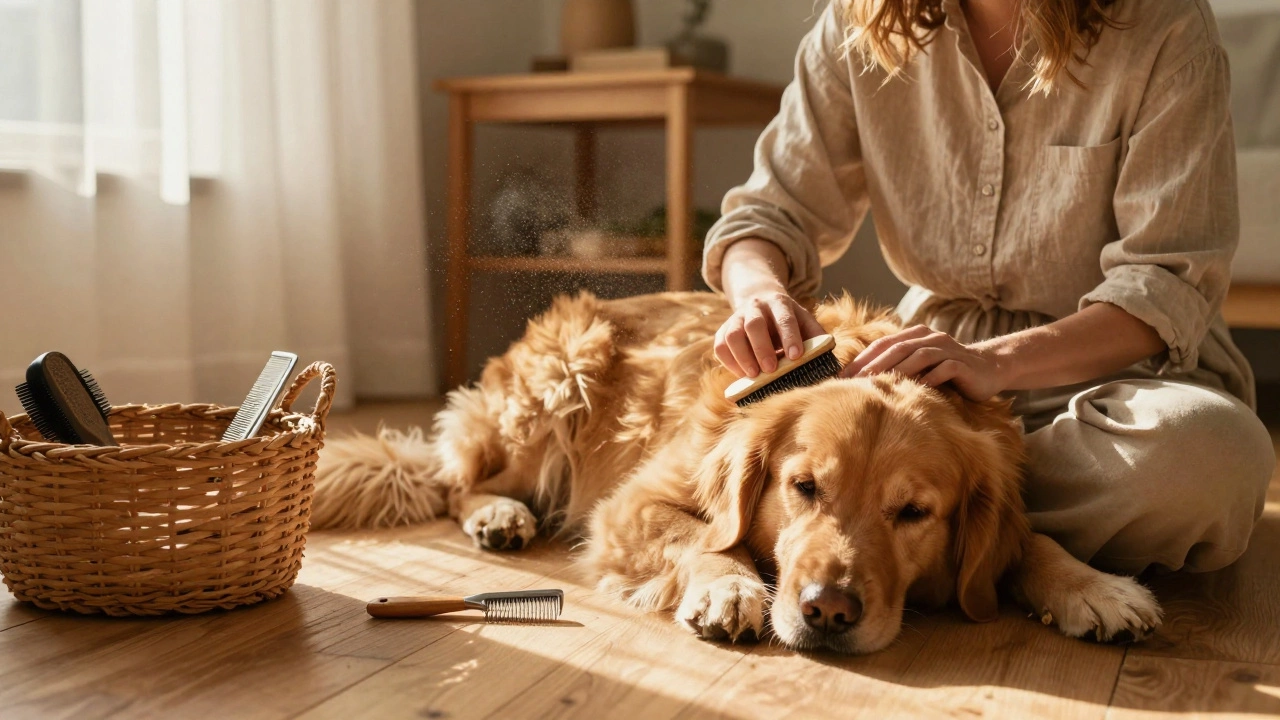
Professional services are necessary, but relying solely on them leaves gaps in your dog's hygiene. A gap of three months between brushing sessions for a long-haired dog ensures that dirt moves from the environment directly to the follicle.
Brushing serves two purposes: removing debris and distributing skin oils. If you stop brushing, the sebum produced by the skin accumulates. This causes rancid smells even on a clean dog. Ideally, brush small dogs weekly and large, fluffy dogs 3 to 4 times a week.
Bathing at home follows a stricter rule than you might think. Over-bathing destroys the acid mantle of the skin, leading to itching and secondary infections. Unless your dog is particularly dirty or has been prescribed medicated baths for allergies, aim for a home bath once a month maximum. Always use pH-balanced shampoos made specifically for canine skin, not human soap.
Critical Areas to Monitor Regularly
Grooming extends beyond the hair on the body. Neglecting specific zones creates safety hazards. Nails that grow too long curl under and penetrate the paw pad, causing limping. Teeth left unchecked result in periodontal disease, which is the primary source of bacterial load in the bloodstream for senior dogs.
- Nail Trimming: Click the nail on the floor while walking quietly. If you hear a click, trim immediately. Otherwise, schedule monthly trims.
- Ear Cleaning: Check ears weekly. Lift the flap and look for redness or brown residue. Use a vet-approved cleaner to wipe the visible parts of the canal.
- Anal Glands: These glands empty during defecation. If your dog scoots frequently, the glands are impacted. A groomer can express them during a regular appointment to prevent rupture.
Don’t wait for your annual vet checkup to inspect these areas. Making them part of your weekly routine catches issues before they become expensive medical emergencies.
Seasonal Adjustments for Shedding
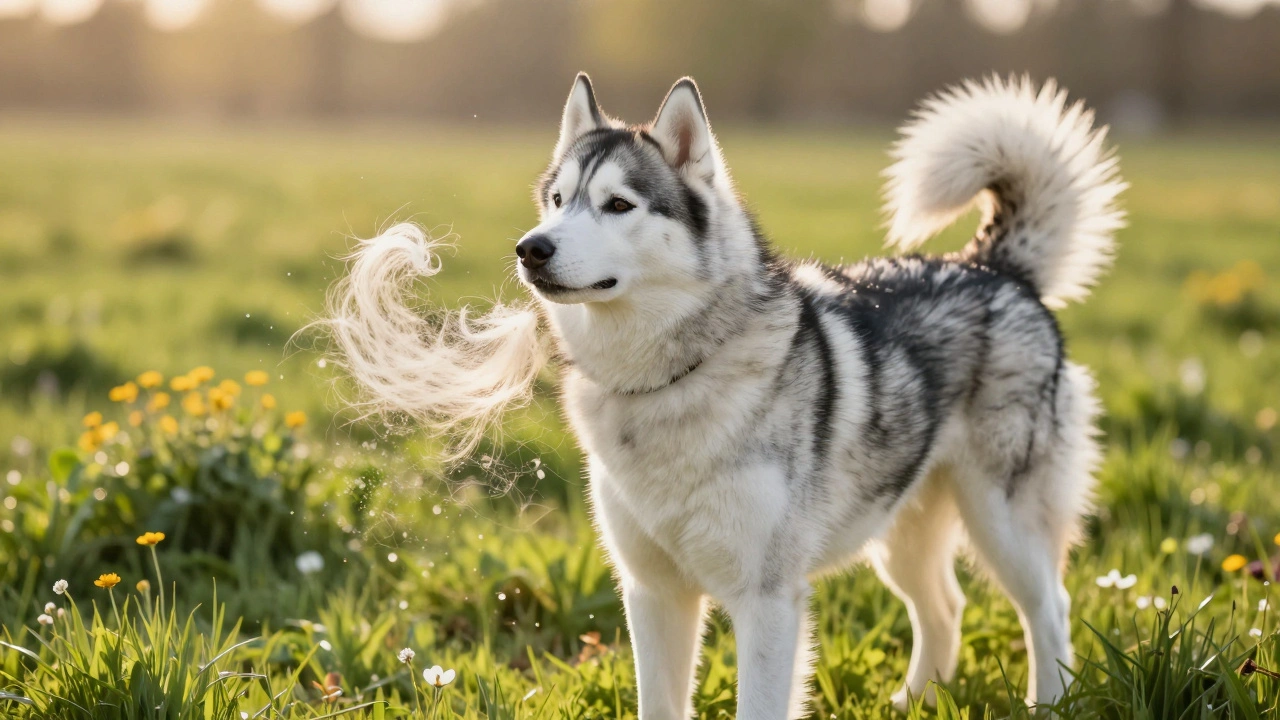
In regions with distinct seasons, the coat management strategy shifts dramatically. Spring brings the loss of the winter undercoat. Autumn prepares the dog for colder nights by growing that same thick layer back. During these windows, your grooming frequency needs to increase.
This phenomenon is called "blowing coat." It releases thousands of hairs a day. Without professional intervention using de-shedding tools, this hair gets embedded in carpets and bedding, triggering allergies in humans. While home brushing helps, a professional blow-out with specialized clippers removes up to 80% of the dead undercoat safely. Skipping this service often leads to hot spots-painful, moist skin sores caused by heat trapped in matted layers.
Signs You Are Missing the Schedule
Sometimes the calendar works, sometimes biology does not. You need to look at the dog, not just the date on your phone. A strong odor persists despite recent walks? That is often a sign of yeast buildup in the skin, meaning it has been too long since a professional cleanse.
Touch the fur near the tail base and behind the ears. If you can’t feel the skin, mats are already forming deep under the guard hairs. Once a mat touches the skin, it stops air circulation. The skin becomes hot and sweaty, breeding bacteria. This situation requires a full shave, which takes months to grow back, and the discomfort for the dog is immediate and acute.
Frequently Asked Questions
Is it bad to bathe my dog every week?
For most dogs, yes. Weekly bathing strips natural oils, leading to dry, itchy skin. Aim for once a month unless using a medicated shampoo prescribed by a veterinarian.
Can I clip my dog’s nails at home?
It depends on your comfort level and the dog's reaction. Clippers work well for clear nails, but grinding tools are safer for avoiding the quick. If your dog is anxious, leave this to a professional.
Why do some dogs need grooming more than others?
Genetics dictate coat type. Double-coated dogs shed seasonally, while curly-coated dogs grow continuously. Continuous growth requires trimming to prevent mats, whereas shedders need brushing to remove dead hair.
At what age should I start grooming my puppy?
Start socialization early, around 8 to 12 weeks. Take them for "happy visits" where the groomer just plays with them and gives treats. Full grooming starts after all vaccinations, usually around 4 to 5 months old.
How much does professional grooming cost?
Prices vary by size and region. Small dogs typically cost $30 to $50, while larger or high-maintenance breeds may range from $60 to $100 per session. This usually includes a bath, blow-dry, cut, and nail trim.