Dog Training Session Planner
Your Dog's Profile
Recommended Schedule
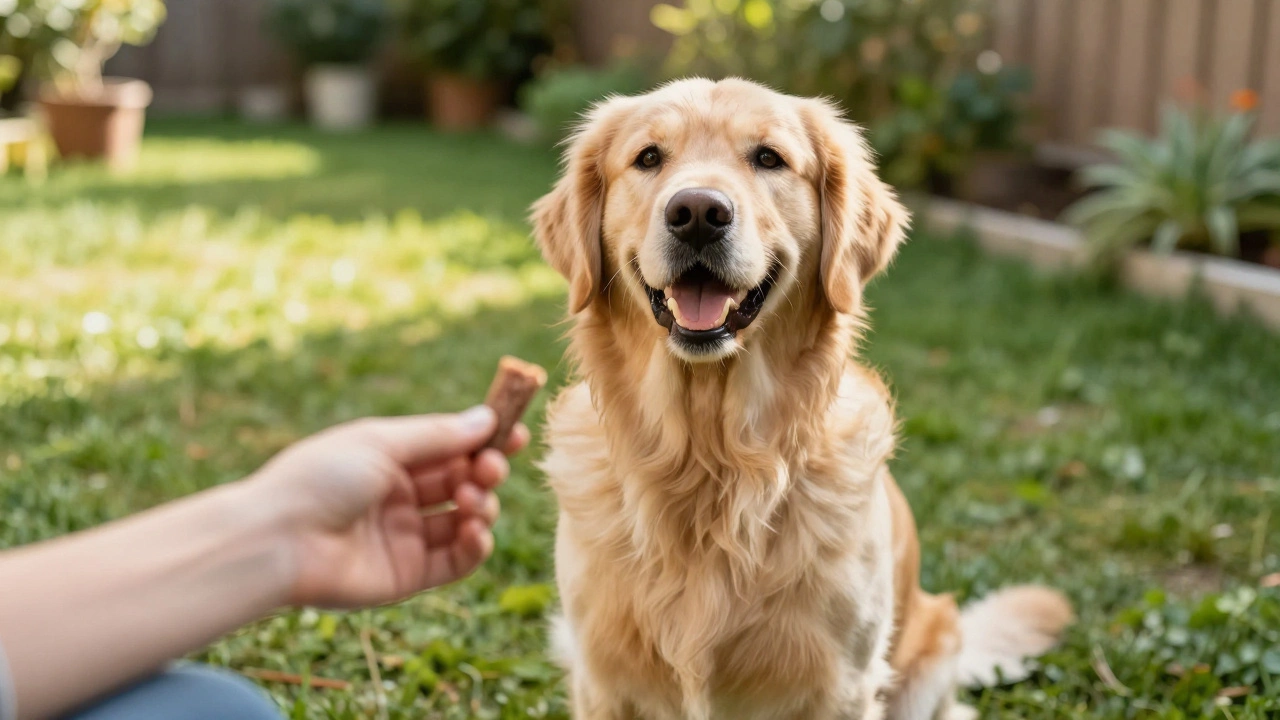
You stand in the backyard with a handful of treats, your leash coiled neatly in one hand. You ask your dog to "sit." He sits. You give him a treat. You ask again. He sits. But by the fifth repetition, his eyes are darting around the garden, sniffing the air for squirrels, or worse-ignoring you entirely. Why did it work before, but not now?
The answer usually isn't that your dog is being stubborn. It’s that you’ve likely gone on too long. Timing is everything in dog training, which relies heavily on consistent reinforcement and clear communication between handler and animal. Pushing past a dog's mental limit turns a fun learning game into a frustrating chore. So, how long should these sessions actually last?
The Golden Rule: Short and Sweet
If you want a single number to remember, make it five minutes. For most adult dogs, a focused training session should last between 5 to 10 minutes. This might feel like barely enough time to get started, especially if you have a complex behavior to teach. However, dogs process information differently than humans do. They live in the moment. Their cognitive window for intense focus is narrow.
Think of it like lifting weights. You don’t hold a heavy weight for an hour; you do short sets with rest in between. Mental exercise works the same way. A high-intensity brain workout followed by plenty of downtime is far more effective than a marathon session where the dog is mentally exhausted and making mistakes.
When you keep sessions under ten minutes, you end on a high note. You finish while the dog is still engaged and successful. This builds confidence and makes them eager for the next round. If you drag it out, you risk flooding their system with stress hormones like cortisol, which can actually hinder learning.
Puppy Training: Even Shorter Bursts
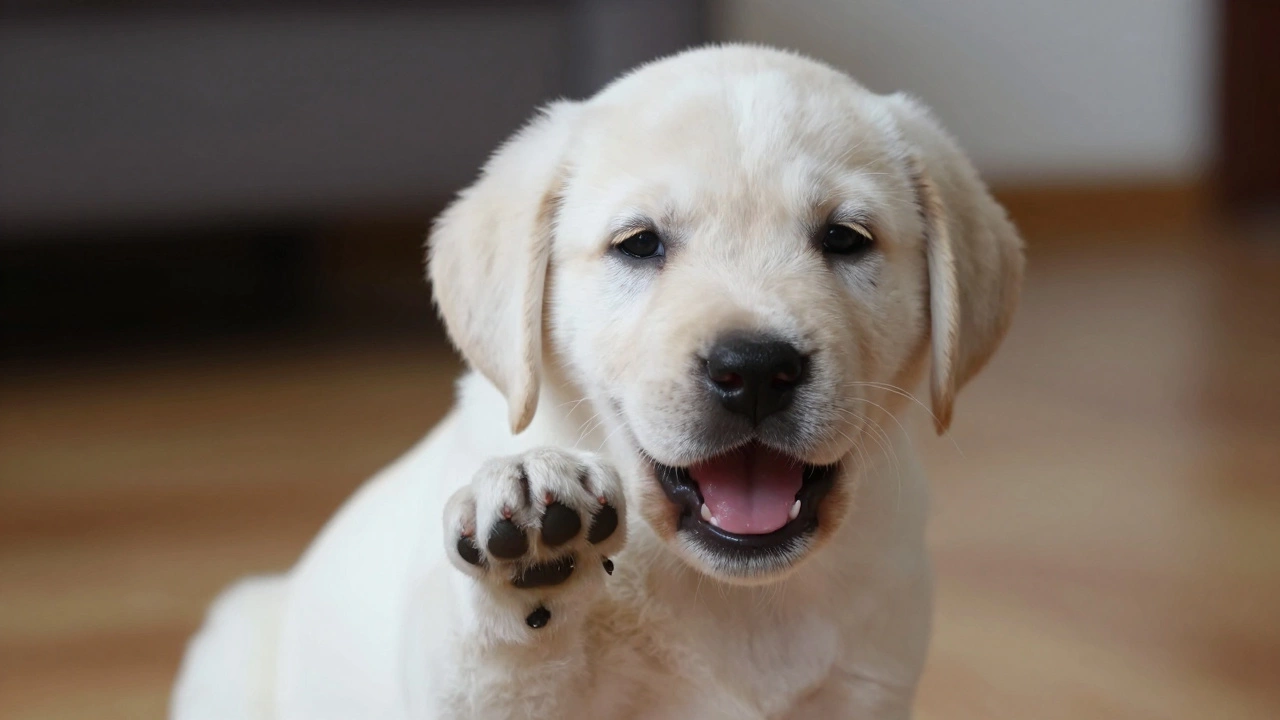
If you’re working with a puppy, the clock ticks even faster. Puppies have notoriously short attention spans. A good rule of thumb used by many professional trainers is one minute of training per month of age. So, an eight-week-old puppy (two months) should only be trained for two-minute bursts.
Why so short? Because puppies are developing rapidly. Their brains are wiring themselves based on immediate experiences. If you push a young pup beyond their capacity, they won’t just stop listening; they may become overwhelmed or anxious. This can create negative associations with training cues.
For a three-month-old puppy, aim for three to four minutes. By six months, you can stretch this to five or six minutes. Always watch the dog, not the clock. If the puppy starts licking their lips, yawning, or looking away, the session is over. These are calm signals indicating they need a break.
Factors That Change Session Length
While five minutes is a great baseline, it’s not a rigid law. Several factors influence how long your specific dog can handle a session.
- Breed Energy Levels: High-energy breeds like Border Collies or Australian Shepherds often have longer mental stamina. They might thrive on 15-minute sessions if the activity is varied and engaging. Conversely, brachycephalic breeds like Bulldogs or Pugs may tire out physically and mentally much faster due to breathing constraints.
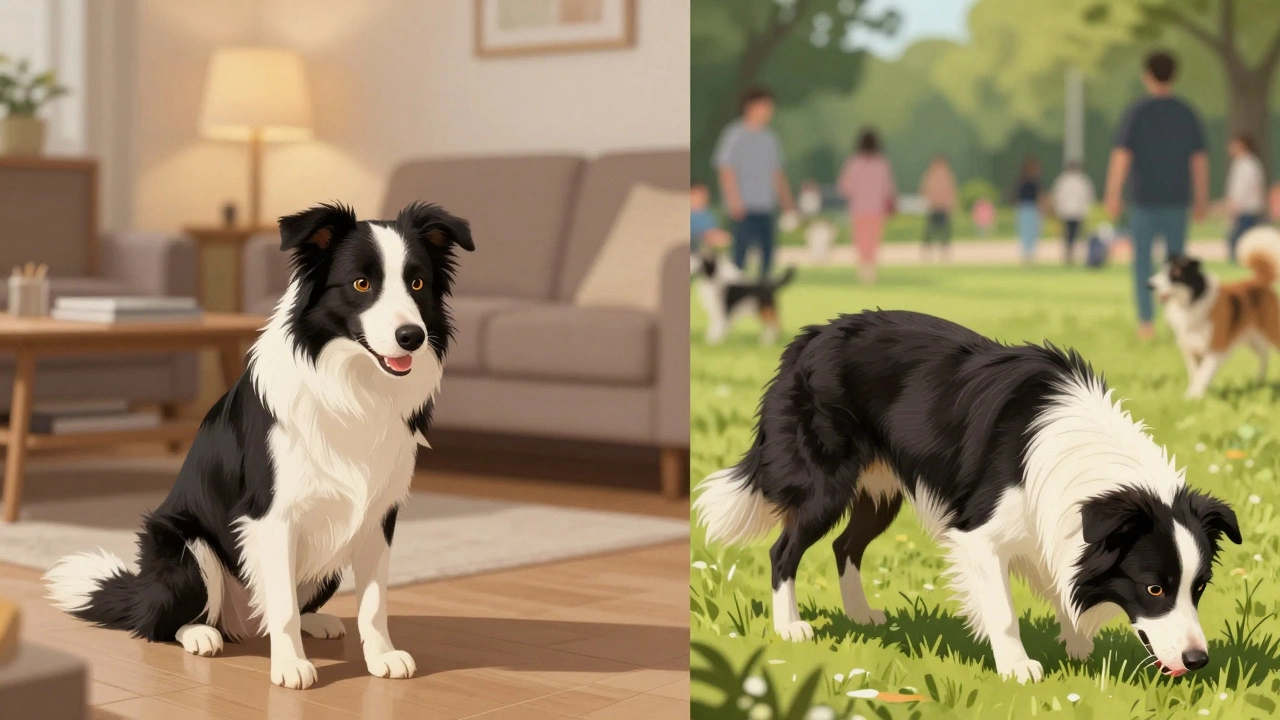
- Training Environment: A quiet living room allows for longer focus than a busy park. Distractions drain mental battery quickly. If you are training in a high-distraction environment, shorten the sessions significantly because the dog is working harder to filter out stimuli.
- Complexity of the Task: Teaching a simple cue like "touch" takes less mental energy than shaping a complex sequence like "find it" combined with a recall. Complex tasks require shorter, more frequent repetitions to avoid frustration.
- Age and Health: Senior dogs may suffer from cognitive decline or arthritis. Keep sessions gentle and brief, focusing on maintenance rather than new skills.
Signs Your Dog Needs a Break
Dogs communicate their mental state clearly, but we often miss the signs because we’re focused on our agenda. Learning to read your dog’s body language is crucial for determining when to stop.
| Signal | What It Means | Action Required |
|---|---|---|
| Lip Licking | Mild stress or uncertainty | Pause and offer a low-value reward |
| Yawning | Fatigue or anxiety | End the session immediately |
| Looking Away | Disengagement or overload | Stop asking for behaviors |
| Scratching/Shaking Off | Attempt to reset tension | Give a physical break |
| Tail Tucked | Fear or submission | Abort training and comfort the dog |
If you see any of these signs, don’t push through. It’s tempting to think, "Just one more rep," but that extra rep often cements failure rather than success. End the session positively. Ask for a behavior you know they can do easily, reward it generously, and let them go play.
Frequency vs. Duration: The Power of Repetition
Many owners worry that short sessions mean slow progress. In reality, frequency matters more than duration. It is far better to train for five minutes twice a day than for twenty minutes once a day.
This approach leverages the concept of spaced repetition. Just as humans learn languages or instruments better with daily practice, dogs retain commands more effectively when they are reviewed frequently. Spacing out sessions allows the dog’s brain to consolidate memories during rest periods.
Try integrating micro-sessions into your daily routine. Ask for a "sit" before filling their food bowl. Practice a "stay" while you wait for the kettle to boil. These one-minute interactions add up to significant training time without feeling like a chore. This method keeps the skill fresh and maintains a strong bond without overwhelming the dog.
Structuring a Successful Session
To maximize those precious few minutes, structure your session intentionally. Don’t just wander through random commands. Have a plan.
- Warm-up: Start with a behavior the dog already knows well. This builds confidence and gets their brain into "work mode."
- New Material: Introduce the new cue or difficult behavior. Keep expectations low initially. Reward small steps toward the goal.
- Review: Go back to the easy behavior from the warm-up. This ensures you end on a success.
- Cool-down: Release the dog to engage in a high-value activity, like free-play or sniffing. This reinforces that work leads to fun.
Using tools like clicker training can help mark precise moments of correct behavior, making the communication clearer within that short timeframe. The click tells the dog exactly what earned the reward, reducing confusion and speeding up the learning curve.
Common Mistakes to Avoid
Even experienced trainers fall into traps regarding timing. Here are the most common errors:
- Ignoring Fatigue: Assuming a tired dog is being disobedient. Often, a tired dog simply cannot perform.
- Over-Training One Cue: Repeating the same command 50 times in a row causes habituation. The dog stops thinking about the cue and just reacts automatically, or they tune it out completely. Mix up your cues.
- Starting Too Hard: Trying to teach advanced tricks before mastering basics. This extends session length unnecessarily as the dog struggles to understand.
- Negative Reinforcement Loops: Correcting mistakes repeatedly without rewarding successes. This increases stress and shortens the effective training window.
Remember, the goal is not to exhaust the dog. The goal is to build a reliable response and a happy partnership. If your dog looks bored, confused, or stressed, you’ve gone too long.
Adapting for Different Goals
Your training goals also dictate session length. Are you preparing for a competitive obedience trial? Or just trying to get your dog to walk nicely on a leash?
For competitive obedience, sessions might be slightly longer (10-15 minutes) but highly structured and repetitive. Precision requires consistency. However, even here, multiple short sessions beat one long one.
For behavior modification, such as reducing reactivity to other dogs, sessions must be extremely short. You might only have a few seconds of engagement before the dog becomes triggered. In these cases, a "session" might just be one successful pass by a trigger at a distance, followed by a high-value reward and retreat. Quality over quantity is paramount here.
Ultimately, trust your observation. Every dog is an individual. Some will happily train for 20 minutes; others will check out after three. Adjust to your partner, not the textbook.
Is 30 minutes of dog training too long?
Yes, for most dogs, a continuous 30-minute training session is too long. It exceeds the typical attention span and can lead to mental fatigue, frustration, and decreased learning efficiency. It is better to split this time into three 10-minute sessions spread throughout the day.
How many times a day should I train my dog?
Aim for 2 to 4 short sessions per day. Consistency is key. Two 5-minute sessions are far more effective than one 10-minute session because they reinforce the behavior more frequently without causing burnout.
Can I train my dog every day?
Absolutely. Daily training is recommended. However, vary the activities to keep it interesting. You can mix formal training with casual practice during walks or meal times to prevent boredom.
Why does my dog lose interest halfway through training?
Dogs have limited mental stamina. If they lose interest, they may be fatigued, bored, or finding the task too difficult. Check the difficulty level, ensure you are using high-value rewards, and consider shortening the session duration.
Should I train my puppy indoors or outdoors?
Start indoors where there are fewer distractions. Once your puppy masters a cue inside, gradually move to quieter outdoor areas. Outdoor training typically requires shorter sessions due to increased environmental stimuli.