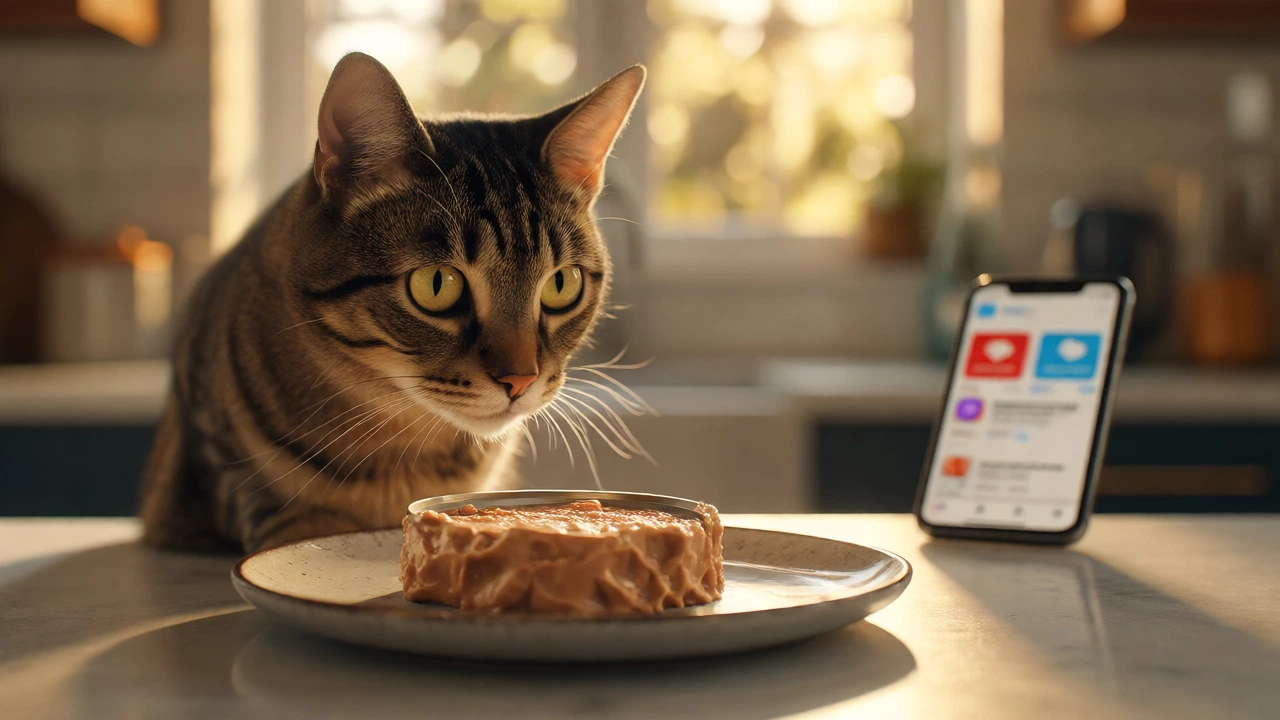
Cat Food Label Decoder
Don't let marketing confuse you. Enter your cat's current or potential food details to see if it meets the biological needs of an obligate carnivore.
1. Select Food Type & Brand Context
2. Nutritional Estimates
Check the Guaranteed Analysis on the can/bag.
Result Summary
Pros
Cons / Watch Out
You walk down the pet aisle, grab a can of Fancy Feast because it looks fancy and your cat loves the smell, and then you see a headline that makes you freeze. Is this premium brand actually bad for your pet? The internet is flooded with conflicting claims, viral TikTok videos, and angry forum posts. It’s confusing, right? One day it’s the gold standard; the next, it’s allegedly full of "mystery meat." As someone who has watched countless cats in Wellington thrive or struggle based on their diet, I’ve dug into the real story behind the Fancy Feast controversy. Spoiler alert: it’s less about poison and more about marketing versus reality.
| Claim | The Reality |
|---|---|
| It contains "mystery meat" | Ingredients are legally defined by AAFCO standards, though vague terms remain. |
| High carbohydrate content causes obesity | Wet varieties are low-carb; dry varieties vary significantly. |
| Purina uses fillers to cut costs | Fillers exist but serve functional roles like texture and fiber. |
| Recalls indicate poor quality control | Recalls happen across all brands; frequency matters more than existence. |
The Origin of the Hype: Marketing vs. Meat
Let’s be honest: the name "Fancy Feast" sells itself. Launched by Purina in 1982, it was designed to mimic human-grade dining experiences. But here’s where the friction starts. When consumers hear "feast," they expect prime cuts of steak or salmon fillets. What they often get, especially in older formulations, is "meat by-products." This term triggers immediate alarm bells for modern pet owners who have been trained to scrutinize labels. Does "by-product" mean hooves and feathers? Not exactly. According to the Association of American Feed Control Officials (AAFCO), which sets the standards for pet food labeling in North America, "meat by-products" include organs like liver, kidney, and heart-parts that are actually highly nutritious for obligate carnivores like cats. However, the lack of transparency in specifying *which* animals these parts come from fuels the suspicion. You’re paying a premium price for what feels like an ambiguous product.
Ingredient Transparency: The "Mystery Meat" Myth
If you pick up a can of Fancy Feast Classic Pâté, you’ll likely see "chicken" as the first ingredient. That sounds great, until you notice the subsequent list includes water, chicken by-products, and various gums. Critics argue that if the primary ingredient is just "chicken," why add by-products? The answer lies in cost management and palatability. Purina, now owned by Nestlé, operates on a massive scale. Using specific muscle meat alone would skyrocket the price beyond mass-market reach. By including organ meats, they maintain protein levels while keeping costs lower. But does this compromise quality? Many veterinary nutritionists argue no, provided the amino acid profile meets requirements. Yet, the psychological disconnect remains. When you compare Fancy Feast to boutique brands advertising "human-grade" or "grain-free" explicitly, the gap in perceived value widens. It’s not necessarily that Fancy Feast is unsafe; it’s that the label doesn’t match the emotional expectation set by the brand name.
Nutritional Balance: Are Cats Getting Enough?
Cats are obligate carnivores. This means they require high protein and fat, with minimal carbohydrates. Here is where the wet vs. dry distinction becomes critical. Most Fancy Feast wet foods contain between 8-10% protein and very low carbs, which aligns well with feline biology. However, the dry kibble versions often carry higher carbohydrate loads due to starches used for binding. If you feed your cat exclusively dry Fancy Feast, you might inadvertently contribute to weight gain or blood sugar spikes, particularly in diabetic-prone breeds. A study published in the Journal of Feline Medicine and Surgery highlighted that high-carb diets correlate with increased obesity rates in indoor cats. So, is the controversy valid? Partially. The issue isn’t the brand itself but how consumers use it. Feeding wet Fancy Feast is generally considered safe and balanced by most vets. Relying solely on the dry version without monitoring portion sizes is where problems arise.

Safety Recalls and Quality Control
No pet food brand escapes recalls entirely. In recent years, Fancy Feast has faced isolated recall notices, primarily due to potential contamination issues like Salmonella or Listeria, or labeling errors regarding nutrient levels. For instance, a 2024 recall affected specific lots due to incorrect vitamin D levels. While alarming, these incidents are not unique to Purina. Major competitors like Hill’s Science Diet and Royal Canin have also faced similar scrutiny. The key metric isn’t whether a recall happened, but how quickly and transparently the company responded. Purina typically issues detailed lot numbers and refund options promptly. However, the sheer volume of Fancy Feast sales means even a small error rate affects thousands of pets. Consumers often perceive frequent recalls as a sign of systemic negligence, whereas industry experts view them as inevitable risks in large-scale manufacturing. Your trust level depends on whether you prioritize absolute perfection or practical availability.
Price Point: Is It Worth the Premium?
Let’s talk money. Fancy Feast sits in the mid-premium tier. It’s more expensive than supermarket staples like Friskies but cheaper than prescription diets or ultra-premium brands like Orijen or Instinct. Is the markup justified? From a nutritional standpoint, probably not always. A basic analysis shows that many generic store-brand wet foods offer comparable protein-to-fat ratios at half the cost. The extra dollar you spend buys consistency in taste and wider flavor variety, which helps finicky eaters. If your cat refuses other brands, that convenience has value. But if you’re looking for superior health benefits, you might find better bang-for-buck elsewhere. Consider this scenario: You live in Wellington where import taxes affect prices. Local alternatives might offer fresher ingredients sourced regionally, reducing the carbon footprint and potentially the cost, while matching Fancy Feast’s nutritional profile.
What Vets Actually Say
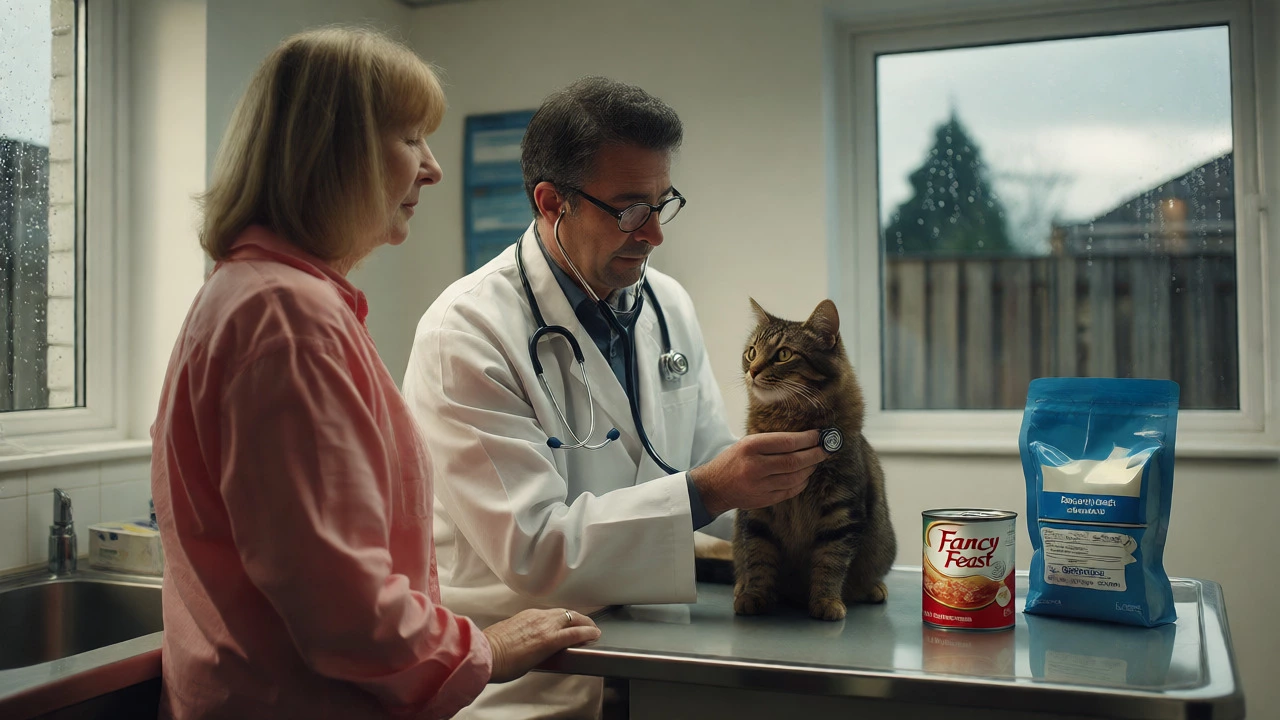
I’ve spoken with several veterinarians in New Zealand and abroad about this debate. The consensus? Fancy Feast is acceptable for healthy adult cats, especially the wet pâté varieties. It’s not recommended for cats with specific medical conditions like chronic kidney disease (CKD) unless formulated specifically for renal support. Standard Fancy Feast lacks the restricted phosphorus levels CKD patients need. Furthermore, some vets caution against feeding fish-based varieties excessively due to mercury accumulation concerns over long periods. Tuna-flavored cans, beloved by many cats, should be treated as treats rather than daily meals. This nuanced advice gets lost in online outrage cycles. People want a binary answer: good or bad. The truth is contextual. Your cat’s age, activity level, and health status dictate whether Fancy Feast fits their needs.
How to Evaluate Any Cat Food Label
Instead of fixating on one brand, learn to decode any label. Here’s a quick checklist:
- First Ingredient: Should be a named animal protein source (e.g., "Chicken," not "Meat").
- Protein Content: Look for minimum 26% crude protein for adults (dry) or check guaranteed analysis for wet food moisture-adjusted values.
- Carbohydrates: Ideally under 10% on a dry matter basis for optimal metabolic health.
- Taurine: Essential for heart and eye health; must be listed explicitly.
- Water Content: Wet food should be 75-85% water to support hydration.
Apply this to Fancy Feast. Their wet foods usually pass these checks comfortably. Dry foods may fail the carb test depending on the specific recipe. This method empowers you to make decisions based on data, not fear-mongering headlines.
Beyond Fancy Feast: Alternatives to Consider
If the controversy still bothers you, or if you simply want variety, consider exploring other entities in the pet nutrition space. Brands like Weruva emphasize transparency with clear sourcing statements. Smaller manufacturers often provide batch-specific testing results upon request. Alternatively, home-cooked diets supervised by a veterinary nutritionist offer maximum control but require significant time and expertise. Another growing trend is raw feeding, which mimics ancestral diets closely but carries bacterial risks if handled improperly. Each option has trade-offs. Fancy Feast wins on convenience and affordability. Raw wins on biological appropriateness but loses on safety ease. Choose based on your lifestyle and your cat’s preferences.
Final Thoughts: Trust Your Cat, Verify the Data
The Fancy Feast controversy is largely a reflection of broader anxiety about industrial food systems. We apply human health concerns-processed foods, hidden additives-to our pets. While valid, these concerns don’t automatically condemn a product vetted by regulatory bodies. If your cat thrives on Fancy Feast, maintains a healthy weight, and has shiny fur, there’s little reason to panic. Monitor their health regularly through vet visits. Keep an eye on new research regarding ingredient sourcing. And remember, no single brand holds the monopoly on feline wellness. Stay informed, stay skeptical of marketing fluff, and prioritize your individual cat’s response over viral trends.
Is Fancy Feast really made of mystery meat?
No, "mystery meat" is a colloquial exaggeration. Fancy Feast uses meat by-products, which are regulated by AAFCO to include edible organs like liver and kidneys. These are nutritious, though the lack of species specificity in labeling causes consumer concern.
Why do people say Fancy Feast is unhealthy?
Critics point to vague ingredient lists, potential high carbohydrate content in dry varieties, and the use of fillers. Additionally, past recalls have eroded some consumer trust, despite the brand meeting minimum nutritional standards.
Is Fancy Feast good for cats with kidney disease?
Standard Fancy Feast is generally not recommended for cats with Chronic Kidney Disease (CKD). These cats require diets restricted in phosphorus and sodium. Always consult your vet before switching diets for medical conditions.
Does Fancy Feast cause obesity in cats?
Wet Fancy Feast is low in carbs and unlikely to cause obesity if fed according to guidelines. Dry varieties, however, contain higher starches which can contribute to weight gain if portions aren't strictly controlled.
Are Purina products recalled frequently?
Purina, the parent company, faces occasional recalls due to its massive production scale. While noticeable, these events are comparable to other major pet food manufacturers and are often related to specific batches rather than systemic failure.