Emergency Cat Food Safety Checker
Select a food item above
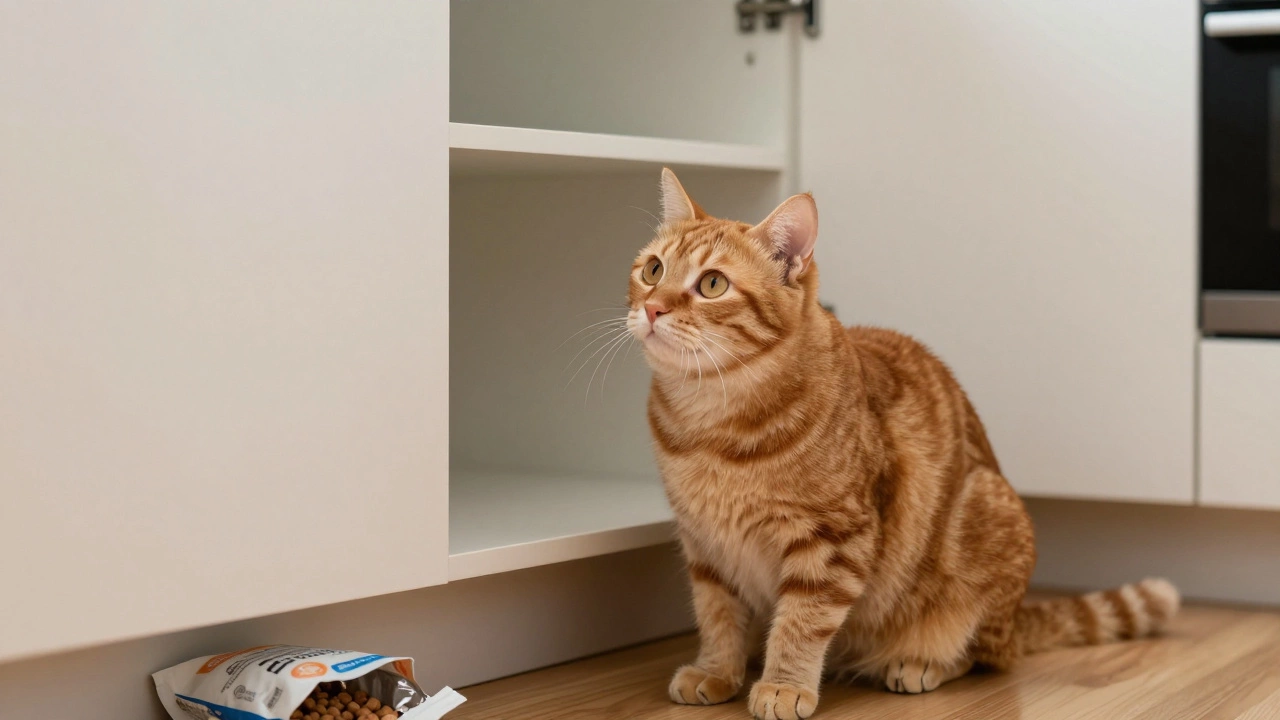
to see if it's safe for your cat.You open the cupboard. The bag is empty. The can is gone. Panic sets in because you have nowhere to go and no way to get more cat food is specialized nutrition designed for feline dietary needs. right now. This happens to every pet owner at least once. Maybe the store is closed, maybe your delivery got lost, or maybe you just forgot. The clock is ticking, and your cat is staring at you with those wide, hungry eyes.
The good news? Cats are resilient. They can skip a meal or two without dying. The bad news? Feeding them the wrong thing can cause serious health issues. You need a plan that keeps their stomach happy and their body safe until you can buy proper food again.
The Golden Rule: Hydration Comes First
Before we talk about solids, let’s talk about water. Cats have a low thirst drive compared to dogs. They get most of their moisture from prey in the wild. If they stop eating dry kibble, they might also stop drinking enough water. Dehydration hits cats fast. It leads to kidney stress and urinary blockages, which are medical emergencies.
If you run out of food, make sure fresh water is always available. Change it twice a day. If your cat refuses plain water, try adding a splash of low-sodium chicken broth (no onion, no garlic) to entice them. You can also offer ice cubes if they like playing with them. Wetting their food is crucial too. Dry kibble absorbs water from the gut. If you’re feeding any solid alternative, soak it in warm water first. This mimics the texture of meat and helps with hydration.
Safe Emergency Foods: The Green Light List
When the pantry is bare, you need to look for high-protein, low-carb options. Cats are obligate carnivores. This means they require animal protein to survive. Vegetables alone will not cut it. Here are the safest bets you likely have in your fridge or freezer.
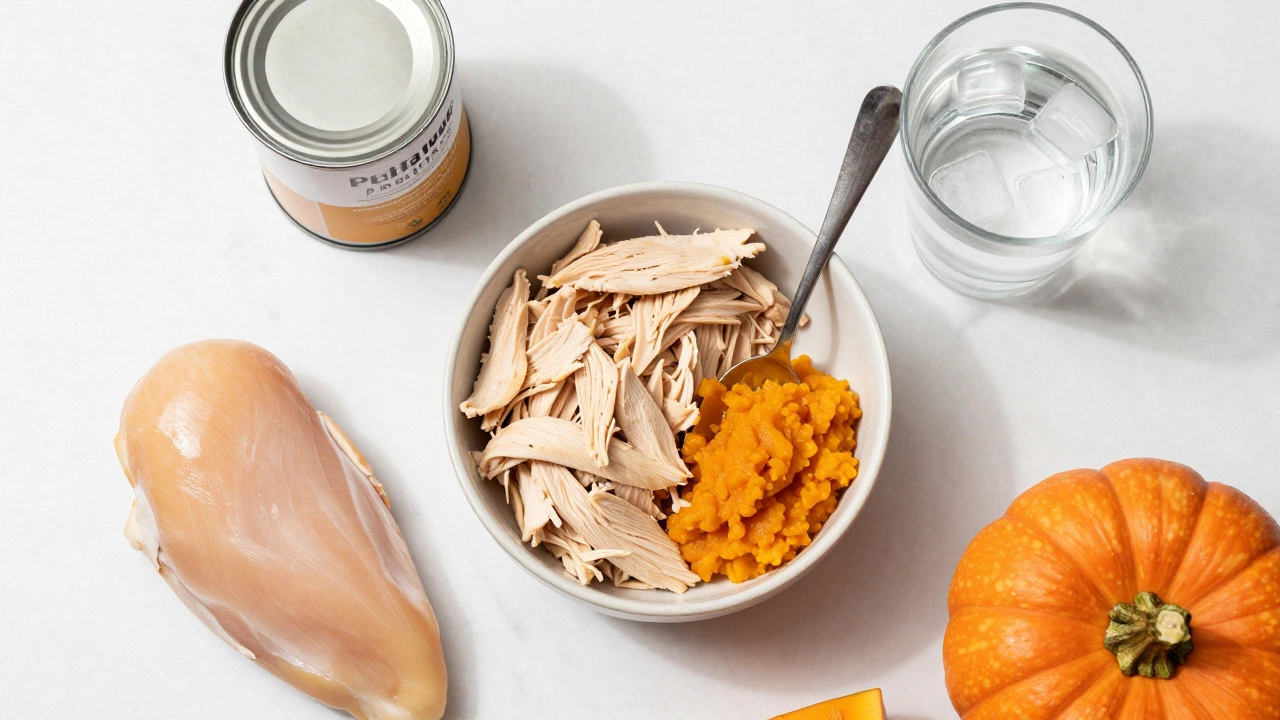
- Plain Cooked Chicken: Boil or bake boneless, skinless chicken breast. No seasoning. No salt. No pepper. Shred it into small pieces. This is the gold standard for emergency feeding. It’s lean, digestible, and familiar to most cats.
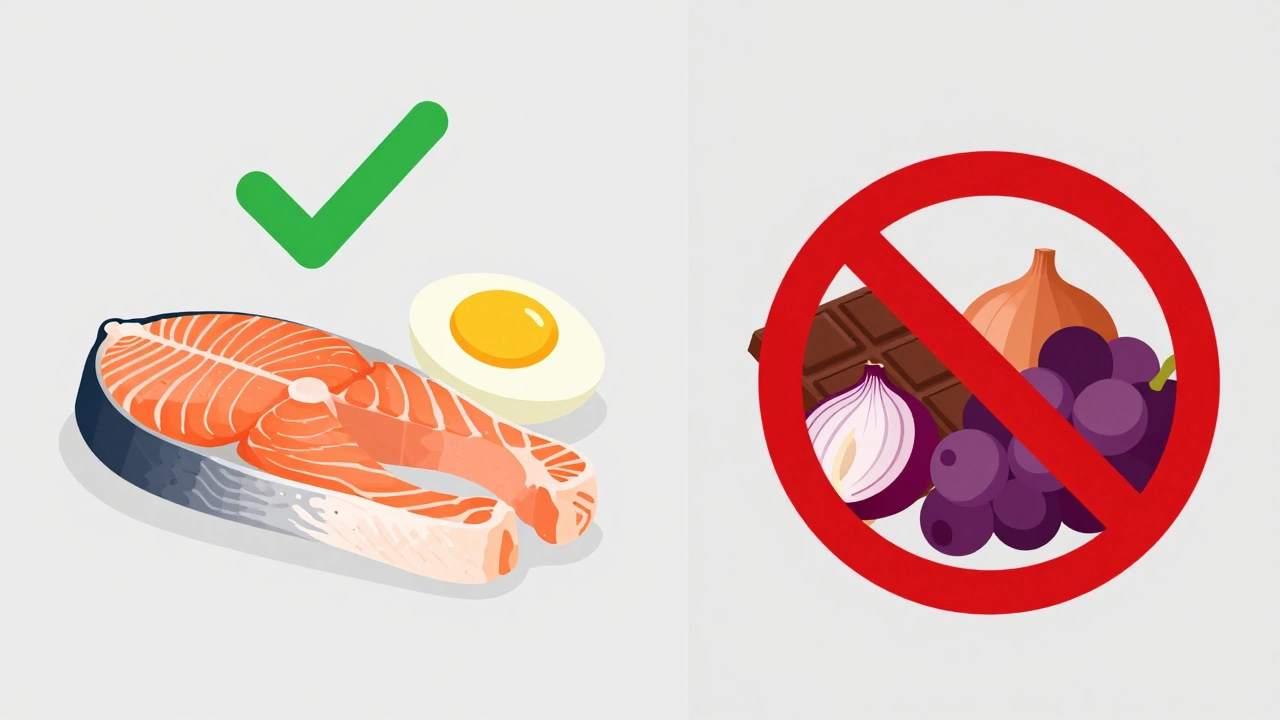
- Canned Tuna or Salmon: Use tuna packed in water, not oil. Drain the liquid well. Limit this to one or two meals. Tuna lacks taurine and other nutrients long-term, and too much mercury is bad. But for a single night? It’s a lifesaver.
- Hard-Boiled Eggs: Scramble or chop a plain hard-boiled egg. Eggs are rich in protein and fats. Make sure they are fully cooked. Raw eggs carry a risk of salmonella and contain avidin, which blocks biotin absorption.
- Pumpkin Puree: Not pie filling. Plain canned pumpkin puree. Add a tablespoon to their meat. It provides fiber, which helps with digestion and prevents constipation if their diet changes suddenly.
- Plain Yogurt: A teaspoon of plain, unsweetened yogurt. Avoid flavored yogurts. Some cats tolerate lactose poorly, so start small. Watch for diarrhea.
Remember, these are temporary fixes. They lack the balanced vitamins and minerals found in commercial cat food. Do not rely on chicken alone for more than three days. Your cat needs taurine, an amino acid found in heart and muscle meat, to maintain heart and eye health. Deficiency can lead to blindness and heart failure.
The Red Light List: What to Never Feed
In a panic, you might think, "It’s meat, so it’s fine." That logic fails with cats. Several common human foods are toxic to felines. Keep these away from their bowl.
| Food Item | Why It Is Dangerous | Symptoms of Poisoning |
|---|---|---|
| Onions and Garlic | Destroys red blood cells, causing anemia | Lethargy, pale gums, vomiting |
| Chocolate | Contains theobromine, which cats cannot metabolize | Rapid breathing, seizures, death |
| Grapes and Raisins | Causes acute kidney failure | Vomiting, abdominal pain, decreased urine |
| Alcohol | Extremely toxic even in small amounts | Vomiting, coordination loss, coma |
| Xylitol (Sugar-Free Gum) | Triggers insulin release, causing hypoglycemia | Weakness, collapse, liver failure |
| Coffee Grounds | Caffeine overdose affects heart and nervous system | Restlessness, tremors, rapid heart rate |
Avoid dairy products like milk. Most adult cats are lactose intolerant. Giving them cow’s milk often results in gas, bloating, and diarrhea. This worsens dehydration. Stick to water or diluted broth.
How to Transition Back to Regular Food
Once you get proper cat food, do not switch back instantly. Your cat’s digestive system has adjusted to the new diet. A sudden change can cause vomiting or diarrhea. Mix the new emergency food with their regular kibble or wet food. Start with 75% emergency food and 25% regular food. Over the next three days, gradually increase the ratio of regular food. By day four, they should be back to normal.
If your cat refuses the regular food after trying alternatives, try warming it up. Heat releases aromas that stimulate appetite. Microwave the wet food for 10 seconds. Stir well. For dry kibble, add a little warm water or broth to soften it.
Special Cases: Kittens, Seniors, and Sick Cats
Kittens under six months have higher nutritional needs. They grow fast. Skipping meals or feeding inadequate protein can stunt their growth. If you run out of kitten food, prioritize high-quality protein like boiled chicken. Avoid raw meat due to bacterial risks. Kittens have weaker immune systems.
Senior cats over ten years old may have kidney disease or dental issues. Soft, moist food is easier for them to eat. If they have dental pain, dry kibble might hurt. In an emergency, mashed boiled chicken or wet food mixed with water works best. Monitor their water intake closely. Older cats are prone to dehydration.
Cats on prescription diets for diabetes, kidney disease, or urinary crystals need specific nutrients. Do not deviate from their prescribed food unless absolutely necessary. Consult your vet immediately if you cannot find their special food. Improper nutrition can trigger a crisis in sick cats.
Preventing Future Emergencies
Never assume you have enough food. Build a buffer. Buy one extra bag of kibble or a case of wet food when you restock. Store it in a cool, dry place. Rotate stock so older cans are used first.
Keep a stash of freeze-dried raw treats. These are lightweight, last forever, and rehydrate quickly with water. They make excellent emergency backups. Also, know where the nearest 24-hour pet store or pharmacy is. Some pharmacies carry basic cat food brands.
Finally, consider automatic feeders. These devices dispense measured amounts of food at set times. If you travel or work late, the feeder ensures your cat eats. Pair it with a water fountain for continuous hydration.
Can I feed my cat rice if I run out of food?
Rice is not toxic to cats, but it offers little nutritional value. Cats are carnivores and do not need carbohydrates. Plain white rice can help settle an upset stomach, but it should never replace meat. Serve only a small amount mixed with protein.
Is it safe to give my cat baby food?
Some meat-based baby foods are safe for short-term use. Check the label carefully. Avoid any product containing onions, garlic, or spices. Fish-based baby food is okay occasionally, but avoid tuna exclusively due to mercury levels. Always mix with water to adjust consistency.
How long can a cat go without food?
A healthy adult cat can survive 2-3 days without food, but this is dangerous. Cats are prone to hepatic lipidosis (fatty liver disease) if they stop eating for more than 24-48 hours. Their bodies break down fat too quickly, overwhelming the liver. Seek veterinary advice if your cat refuses food for more than a day.
Can I feed my cat dog food in an emergency?
Dog food lacks sufficient taurine and protein for cats. Long-term feeding causes blindness and heart problems. In a true emergency lasting less than 24 hours, it is better than nothing, but it is not ideal. Prioritize human-grade meats like chicken or turkey instead.
What should I do if my cat vomits after eating emergency food?
Withhold food for 12-24 hours to let the stomach rest. Offer small amounts of water frequently. If vomiting persists, contact your vet. Introduce bland food like boiled chicken and pumpkin slowly. Avoid fatty meats or dairy, which can trigger further vomiting.