Dog Walker Access Safety Calculator
Select the options that apply to your current situation to determine your risk level.
Ready to Calculate
Select your options above and click calculate to see your safety rating.
Recommended Action:
...
You’re standing at your front door, keys in hand. The dog walker is here, ready to take Fido out for his midday stroll. But you have to head back to work. Do you hand over the spare key? It feels like a leap of faith-literally handing someone the ability to enter your private space while you’re gone. It’s a question that keeps many pet owners up at night, balancing convenience against security.
The short answer? It depends on your comfort level and your home’s setup. Some people swear by giving a physical key to their trusted walker. Others prefer high-tech solutions or neighborly arrangements. There is no single right way, but there are definitely safer ways to handle this common dilemma without compromising your peace of mind.
Understanding the Risks of Handing Over a Physical Key
Let’s be honest: giving someone a physical key to your home carries inherent risks. Even if you’ve vetted the dog walker a professional who exercises and cares for your dog outside your home thoroughly, keys can be lost, stolen, or duplicated without your knowledge. If that key ends up in the wrong hands, it’s not just an inconvenience; it’s a security breach.
Consider the logistics. If you lose track of who has your spare key, you might need to rekey your entire lockset, which costs money and time. More importantly, it creates anxiety every time you leave the house. You start wondering: “Did they lock up properly?” or “Who else saw them with that key?” These thoughts add unnecessary stress to what should be a simple service.
Physical keys also lack accountability. When someone enters your home with a traditional key, there’s no digital record of when they arrived or left. This ambiguity can lead to misunderstandings about duration of visits or unauthorized access during odd hours. For many modern homeowners, this lack of transparency is a dealbreaker.
Why Smart Locks Are Changing the Game
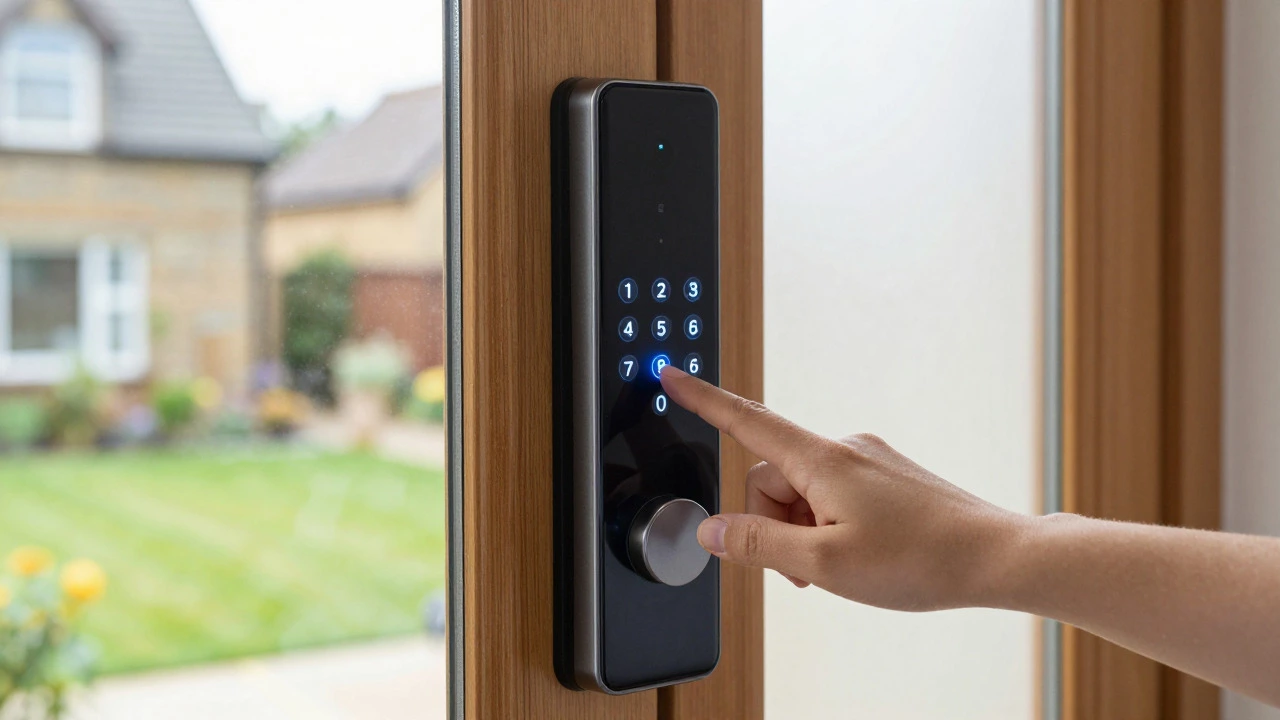
If you want to avoid the pitfalls of physical keys, consider upgrading to a smart lock an electronic locking mechanism that allows remote access control via smartphone apps or codes. These devices let you grant temporary access to your dog walker using unique PIN codes or Bluetooth connectivity. You can set specific time windows-for example, allowing entry only between 10 AM and 4 PM on weekdays.
One major advantage is revocability. If you switch walkers or feel uncomfortable with the current one, you simply delete their code from the app. No locksmith needed. Plus, most smart locks send notifications to your phone whenever the door is unlocked. So you’ll know exactly when your walker arrives and departs. This real-time visibility builds trust and ensures accountability.
Popular brands like August, Yale, and Schlage offer models compatible with existing deadbolts, meaning you don’t always need to replace your whole lock. Installation usually takes less than an hour. While the upfront cost ranges from $150 to $300, the long-term security benefits often outweigh the expense. Think of it as insurance for both your home and your relationship with your pet caregiver.
| Access Method | Security Level | Cost | Ease of Revocation | Best For |
|---|---|---|---|---|
| Physical Spare Key | Low (can be copied/lost) | $0-$20 | Difficult (requires rekeying) | Budget-conscious users with highly trusted individuals |
| Smart Lock Code | High (time-limited, auditable) | $150-$300 | Instant (via app) | Tech-savvy homeowners wanting full control |
| Keyless Drop Box | Medium (hidden but static) | $20-$50 | Moderate (change combination) | Those avoiding tech installation |
| Neighbor/Friend Pickup | Variable (depends on person) | $0 (favor) | Easy (stop asking) | Close-knit communities with reliable neighbors |
Vetting Your Dog Walker Before Granting Any Access
No matter how you choose to provide access, the foundation of safety lies in choosing the right person. A secure lock won’t help if you hire someone untrustworthy. Start by checking references rigorously. Ask previous clients not just about punctuality, but about reliability and honesty. Did the walker respect boundaries? Were updates timely?
Look for professionals affiliated with recognized organizations such as the National Association of Professional Pet Sitters (NAPPS) or local equivalent bodies. Membership often requires background checks, insurance coverage, and adherence to ethical standards. Insurance is crucial-it protects you if something goes wrong inside your home, whether it’s accidental damage or theft.
Conduct an in-person interview before hiring. Meet the walker at your home while you’re present. Observe how they interact with your dog and ask situational questions: “What would you do if my dog gets sick during the walk?” or “How do you handle emergencies?” Their responses reveal preparedness and professionalism. Trust your gut-if something feels off, keep looking.
Alternative Solutions Without Giving Full Entry
Not everyone wants anyone entering their home, even briefly. In those cases, alternative arrangements can work beautifully. One popular option is arranging a meeting point outside. You could meet your walker in the driveway or on the sidewalk to exchange your dog directly. This eliminates interior access entirely.
Another approach involves enlisting a trusted neighbor or friend. They might pick up your dog from your porch, walk it nearby, and return it-all without ever unlocking your front door. Many apartment complexes also have designated pet relief areas where brief exchanges happen safely under surveillance cameras.
For rural properties or homes with large yards, some owners install a small outdoor kennel or run near the entrance. The walker accesses only this confined area, keeping the main house completely off-limits. This method works well for dogs who enjoy short outdoor play sessions rather than full walks requiring indoor preparation.
Setting Clear Expectations and Boundaries
Once you’ve chosen your access method and hired your walker, communication becomes paramount. Create a written agreement outlining expectations. Specify which rooms are accessible, feeding schedules, medication instructions, and emergency contacts. Clarity prevents misunderstandings later.
Discuss protocols for unexpected situations. What happens if the power goes out and your smart lock fails? Should the walker call you immediately, or attempt to reach a backup contact? Having predefined plans reduces panic and ensures consistent care regardless of circumstances.
Regular check-ins maintain accountability. Request daily photos or text updates confirming completion of services. Most reputable walkers welcome this transparency because it demonstrates professionalism. Over time, these interactions build mutual trust, making the arrangement smoother for everyone involved.
Legal Considerations and Liability Protection
In New Zealand and many other countries, liability laws vary regarding property access granted to third parties. If your walker injures themselves inside your home due to hazardous conditions, you could potentially face legal responsibility. Conversely, if they damage your belongings, their insurance should cover repairs-but only if proper documentation exists.
Always verify that your dog walker carries public liability insurance specifically covering residential visits. Ask for proof of coverage before granting any form of entry. Additionally, review your homeowner’s policy to understand exclusions related to employee or contractor activities on your premises.
Document everything. Keep copies of contracts, insurance certificates, and correspondence discussing terms of service. In case of disputes, having a paper trail strengthens your position significantly. Legal protection isn’t about expecting betrayal-it’s about preparing for unforeseen events responsibly.
Building Long-Term Trust Through Consistency
Trust develops gradually through repeated positive experiences. Start with shorter engagements to test compatibility. Maybe begin with weekend walks before committing to weekday routines. Monitor your dog’s behavior afterward-are they happier? Less anxious? Behavioral changes often indicate quality care.
Maintain open lines of communication. Encourage feedback from your walker too. They may notice issues you haven’t considered, like neighborhood hazards or dietary sensitivities affecting energy levels. Collaborative problem-solving fosters partnership rather than transactional relationships.
Finally, recognize that flexibility matters. Life changes-jobs shift, schedules adjust, needs evolve. Be willing to reassess your arrangement periodically. Perhaps next year you’ll upgrade to a video-enabled smart lock. Or maybe you’ll transition to a different provider altogether. Adaptability ensures continued satisfaction for both you and your furry companion.
Is it safe to give a dog walker a key to my house?
Giving a physical key poses moderate risk since keys can be lost or copied. Safer alternatives include smart locks with temporary codes or meeting outside. Always ensure your walker is insured and vetted thoroughly before granting any access.
What should I look for when hiring a dog walker?
Check references, verify insurance coverage, confirm membership in professional associations, and conduct in-person interviews. Look for candidates who demonstrate empathy, reliability, and clear communication skills.
How much does a smart lock cost for dog walker access?
Most consumer-grade smart locks range from $150 to $300 NZD. Installation typically takes under an hour and doesn’t require replacing your existing deadbolt. Long-term savings come from avoiding rekeying fees after staff turnover.
Can I use a keyless drop box instead of a smart lock?
Yes, hidden key boxes costing $20-$50 offer medium security. However, they lack audit trails and time restrictions found in smart systems. Change combinations frequently and hide the box discreetly to minimize tampering risks.
What insurance should my dog walker have?
Your walker should carry public liability insurance covering residential visits. Request certificate of currency showing minimum $5 million coverage. Verify policy includes incidents occurring within client homes, not just public spaces.
Should I meet my dog walker before leaving them alone?
Absolutely. Conduct at least one supervised session to observe interactions with your dog and assess professionalism. Use this time to discuss routines, emergencies, and house rules. Trust grows faster with firsthand experience.
Are there legal implications if my walker gets hurt in my home?
Potentially yes. Under occupier’s liability laws, homeowners must maintain safe environments. Document hazards beforehand and ensure your walker acknowledges known risks. Proper insurance mitigates financial exposure significantly.