Grooming Calming Method Finder
Answer the questions below to find the safest and most effective calming option for your dog's next grooming appointment.
Why this choice?
Safety & Admin Notes
*Always consult your vet before administering medication.*
You drop your pup off at the groomer, and you’re left wondering: are they going to struggle, or did someone slip him a little something to keep him chill? It’s a common worry. If your dog hates baths, clippers, or even just being handled by strangers, the idea of them getting stressed out (or worse, biting) is real. But do groomers actually give dogs medication to calm them down? The short answer is: sometimes, but it’s complicated.
Here’s the thing-most professional groomers aren’t vets. They can’t prescribe drugs on their own. So when you hear about "sedated grooms," there’s usually more going on behind the scenes. Let’s break down what actually happens, what options exist, and how you can help your dog stay calm without relying on heavy meds every time.
The Legal and Professional Reality
First off, let’s clear up a big misconception. Groomers are not veterinarians. In most places, they cannot legally administer prescription sedatives like acepromazine or diazepam unless specifically authorized by state law and often only under veterinary supervision. What they can do is use over-the-counter calming aids, herbal supplements, or topical products. Some high-end salons have partnerships with local vets who visit once a week to handle medical needs, including mild sedation for extremely anxious dogs. But if your groomer says, "We gave him a shot," ask who administered it. Was it a vet tech? A licensed nurse? Or just the owner with a leftover script from last year?
This distinction matters because improper dosing can be dangerous. A tiny Chihuahua and a Great Dane react very differently to the same amount of a calming agent. Without proper weight-based calculation and health screening, "calming" can turn into respiratory depression or extreme lethargy.
What Do Groomers Actually Use?
If no vet is involved, here’s what you’ll typically find in a groomer’s toolkit:
- Natural Supplements: Brands like Adaptil (synthetic pheromones), Rescue Remedy (Bach flowers), or L-Theanine chews. These are mild and safe, but don’t expect miracles for a terrified dog.
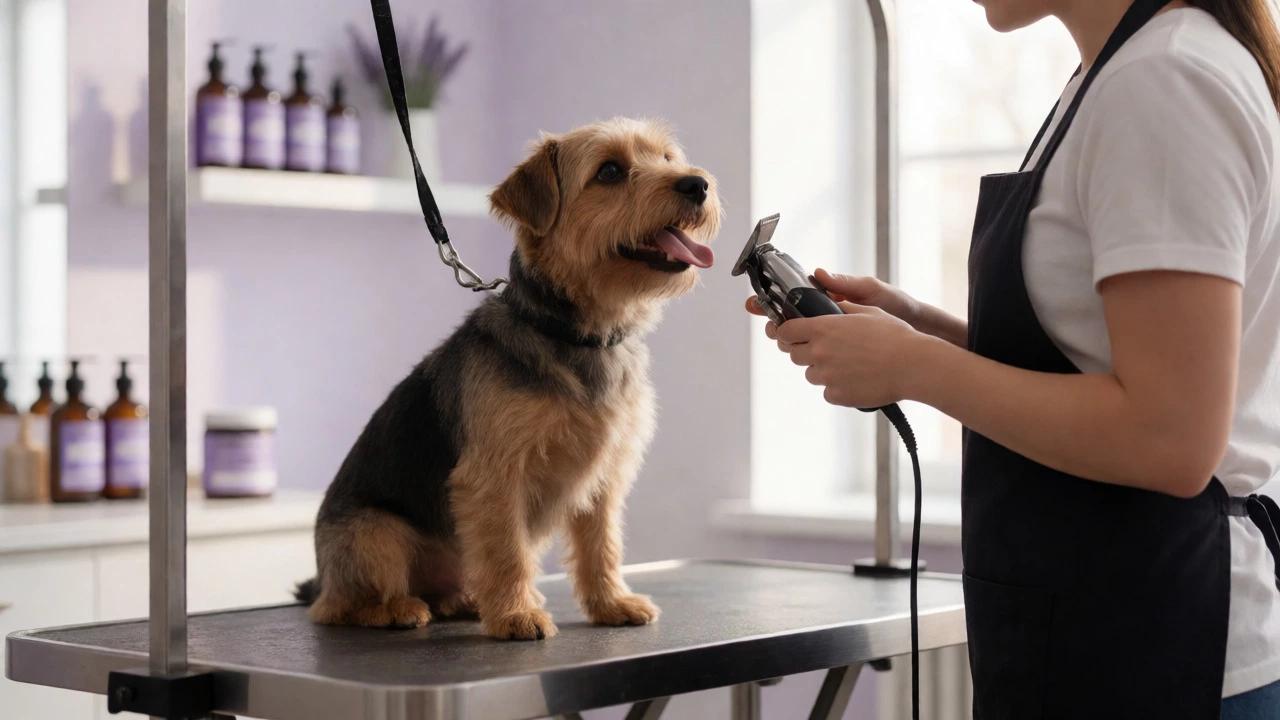
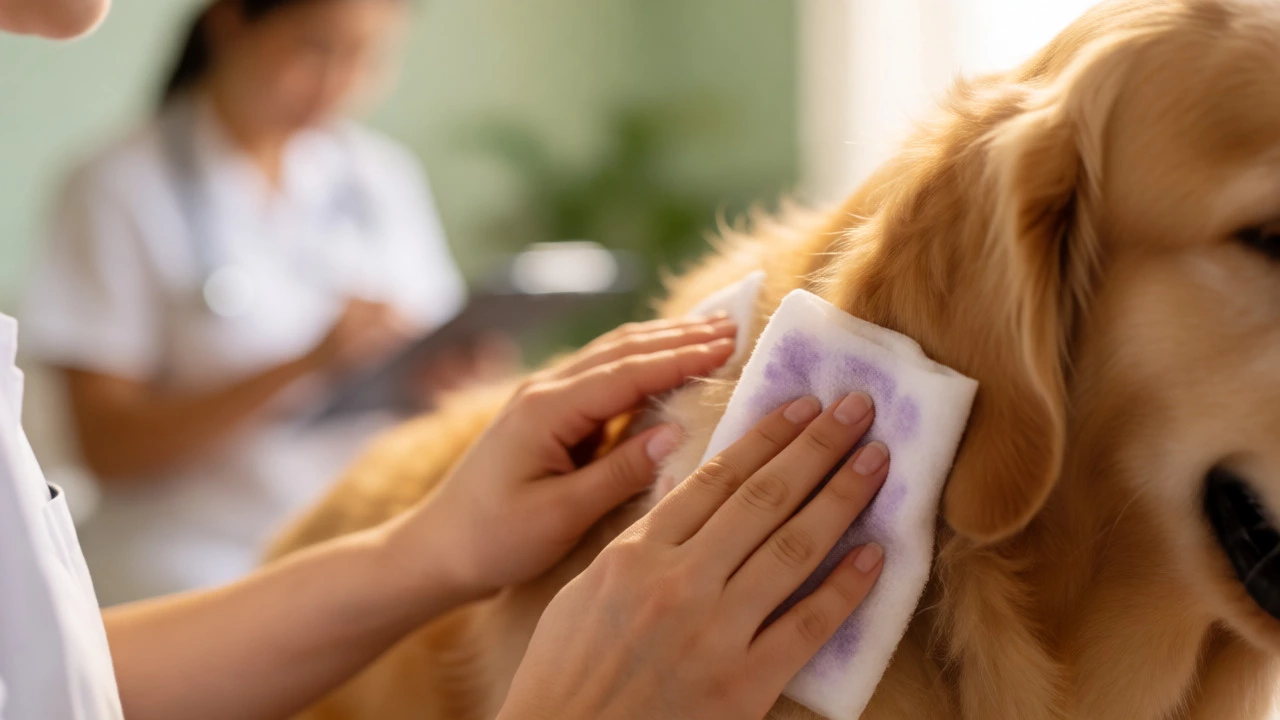
- Topical Sprays: Lavender-infused sprays or wipes applied to the coat before the bath. The scent helps mask clinic smells and provides a subtle calming effect.
- Environmental Tweaks: Soft music, dimmed lights, and non-slip mats. Sounds basic, but reducing sensory overload makes a huge difference for nervous pups.
- Muzzle Training: Not a drug, but a safety tool. Many groomers will desensitize dogs to muzzles beforehand so the device doesn’t add panic to the process.
Some groomers might offer "pre-groom treats" infused with CBD oil. While popular, the science on CBD for acute anxiety in dogs is still evolving. It might take an hour to kick in, which is too late if the grooming starts immediately after arrival. Always check if the salon uses third-party tested products, as quality varies wildly.
When Is Veterinary Sedation Necessary?
Sedation isn’t just about convenience-it’s sometimes a safety issue. Consider these scenarios where a vet-administered sedative might be recommended:
- Severe Aggression: If your dog has bitten a groomer before or snaps at handlers, forcing a groom can lead to injury for both parties.
- Pain-Related Sensitivity: Older dogs with arthritis may flinch when lifted onto tables or touched around hips and knees. Mild pain relief combined with a light sedative can make the experience humane.
- Extreme Fear Responses: Panting, drooling, shaking, and trying to escape constantly indicate high stress. Prolonged cortisol spikes aren’t good for any dog’s health.
- Matting That Requires Extensive Work: Dematting takes time and involves pulling on skin. For a sensitive dog, this can feel torturous without some chemical assistance.
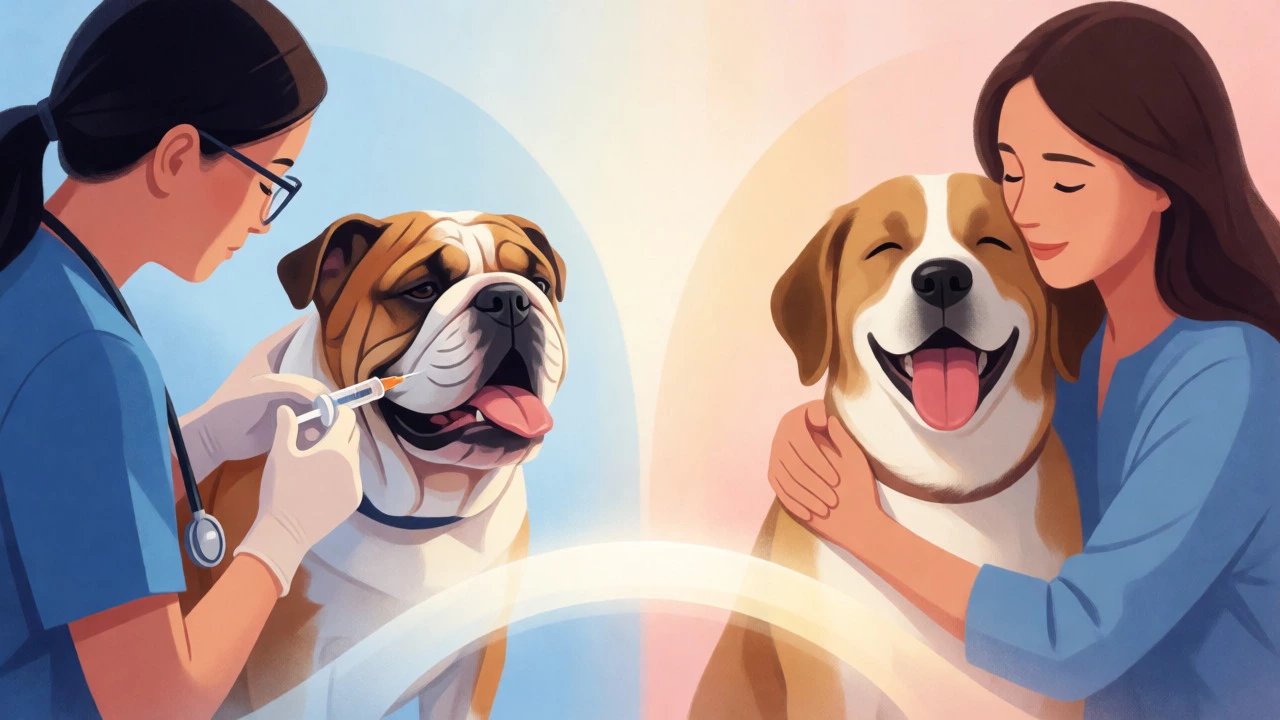
In these cases, the groomer should refer you to a vet. The vet will evaluate your dog’s heart health, age, and breed-specific risks (like brachycephalic breeds such as Bulldogs, who have higher anesthesia risks) before prescribing anything. Never assume a groomer knows your dog’s medical history better than your vet does.
Comparing Calming Methods
Not all calming strategies work the same way. Here’s a quick comparison to help you decide what fits your dog’s situation best.
| Method | Who Administers | Onset Time | Best For | Risks |
|---|---|---|---|---|
| Adaptil/Pheromones | Owner/Groomer | Days/Weeks | Mild anxiety, habituation | Minimal; may not work for severe fear |
| L-Theanine/Zylkene | Owner | 1-2 Hours | General nervousness | Digestive upset in rare cases |
| CBD Oil | Owner | 30-60 Minutes | Moderate anxiety | Quality varies; potential drug interactions |
| Prescription Sedatives (e.g., Gabapentin) | Vet | 1-2 Hours | Fearful dogs needing handling | Sedation levels vary; requires monitoring |
| Injectable Sedation | Vet/Vet Tech | 15-30 Minutes | Aggressive/uncooperative dogs | Higher risk; requires recovery time |
How to Prepare Your Dog (So You Don’t Need Meds)
The best way to avoid sedation is prevention. Most grooming anxiety stems from negative associations built early in life. If your puppy was rushed through their first groom, that trauma sticks. Here’s how to fix it:
Desensitization at Home: Start weeks before the appointment. Touch your dog’s paws, ears, and tail gently while giving treats. Get them used to the sound of clippers by turning them on nearby, then gradually closer. Reward calm behavior generously.
Find a Fear-Free Groomer: Look for certifications like "Fear Free Certified Professional." These groomers specialize in low-stress techniques. They might split appointments into shorter sessions-just a bath one day, a trim the next-rather than forcing a full groom in one go.
Bring Comfort Items: Ask if you can leave a worn t-shirt with your scent at the salon. Familiar smells reduce cortisol levels. Also, ensure your dog gets plenty of exercise before the appointment. A tired dog is a calmer dog.
Communicate Clearly: Tell the groomer exactly what triggers your dog. Does he hate water pressure? Does she panic when lifted? Specific info helps the groomer adjust their approach. Maybe they’ll wash your dog on the floor instead of the table, or use hand-drying instead of a loud dryer.
What About "Sedated Grooms" at Mobile Services?
Mobile groomers sometimes advertise "sedated grooms" as a premium service. This usually means they partner with a mobile vet or require you to visit a vet beforehand. Be cautious if a mobile groomer claims to administer injections themselves without mentioning a vet license. Check reviews and ask directly: "Is a veterinarian present during the sedation process?" If the answer is vague, walk away.
Also, note that true sedation requires recovery time. Your dog shouldn’t be driving home immediately after injectables. They need to wake up fully, regain coordination, and be monitored for adverse reactions. Reputable services will include this observation period in their pricing.
Tips for Owners: Questions to Ask Your Groomer
Before booking, have a quick chat. Use these questions to gauge their approach:
- "Do you use any calming products during the groom?"
- "Can I observe part of the session to see how my dog reacts?"
- "If my dog becomes too stressed, do you stop and reschedule, or push through?"
- "Do you have a relationship with a local vet for emergencies or prescribed calming aids?"
A good groomer will appreciate these questions. They want a cooperative dog as much as you do. Pushing through panic often leads to longer appointments, more breaks, and potentially aggressive responses that could end future visits.
Can groomers give dogs Benadryl?
Yes, many groomers allow owners to give diphenhydramine (Benadryl) before an appointment. However, dosage must be calculated by weight (typically 1mg per pound). Consult your vet first, as Benadryl causes drowsiness in some dogs but hyperactivity in others. It also dries out mucous membranes, which can be uncomfortable during bathing.
Why did my dog seem drunk after grooming?
This is likely due to residual effects from a sedative or strong calming aid. Drugs like trazodone or gabapentin can cause wobbliness and disorientation for several hours. Ensure your dog rests quietly at home and has access to water. If symptoms persist beyond 24 hours or worsen, contact your vet.
Are there side effects to using calming supplements?
Most natural supplements like L-Theanine or valerian root are safe with minimal side effects. However, some dogs may experience mild gastrointestinal upset or changes in appetite. High-quality brands are less likely to cause issues. Always introduce new supplements days before the groom to test tolerance.
How long before grooming should I give calming meds?
Oral medications like gabapentin or trazodone typically need 1-2 hours to take effect. Injectables work faster, within 15-30 minutes. Natural supplements like Adaptil collars need to be worn for days prior to build up effectiveness. Timing depends entirely on the specific product and your dog’s metabolism.
Is sedation safer than restraint for aggressive dogs?
For truly aggressive dogs, sedation is often safer than physical restraint, which can escalate fear and aggression. However, sedation carries its own medical risks. A balanced approach involves behavior modification training alongside occasional sedation for necessary maintenance, rather than relying solely on drugs forever.