Dog Bed Selector Tool
Answer a few questions about your pup to find the ideal sleeping surface for their specific needs.
Recommended Surface
Your dog would likely prefer this option based on their needs.
Key Takeaways for Pet Parents
- Dogs choose sleeping spots based on temperature regulation, joint health, and psychological security.
- Hard floors are often preferred in summer to lower core body temperature.
- Older dogs almost always benefit from elevated support to reduce joint pressure.
- The "denning instinct" makes certain corners or enclosed beds more attractive than open floors.
The Science of Temperature Regulation
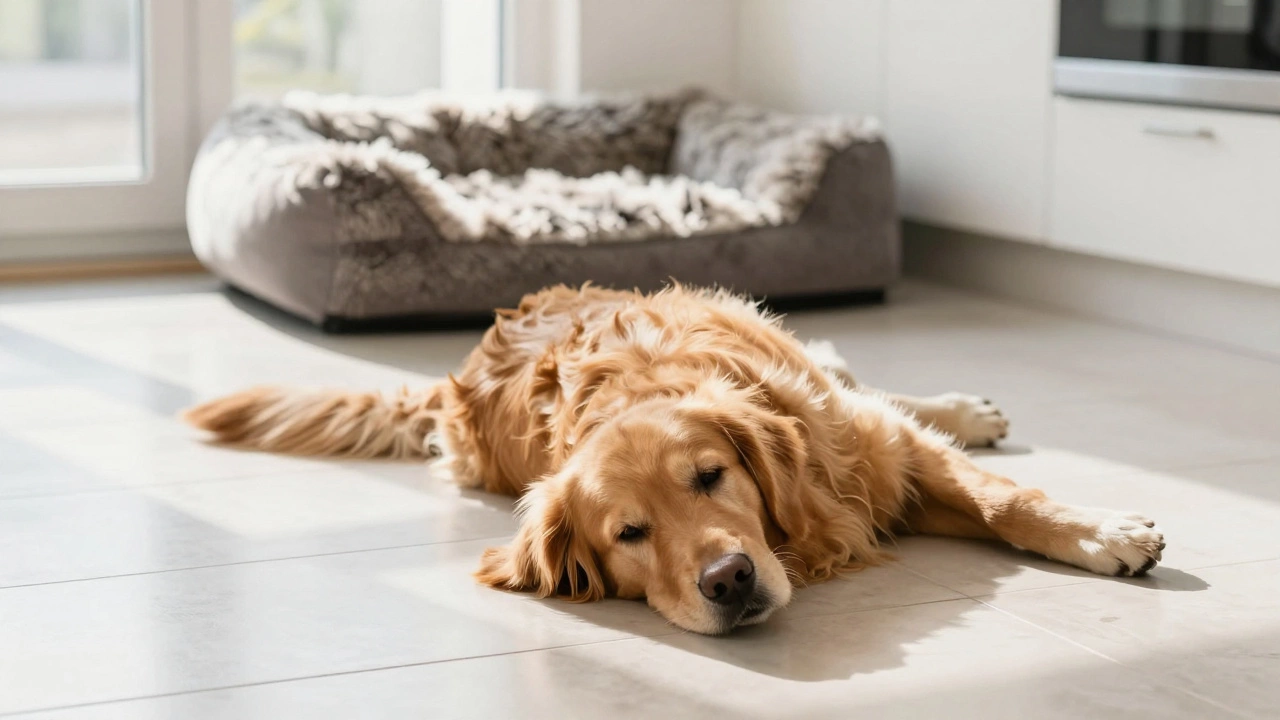
The most common reason you'll find a dog sprawled across the floor is simple: they're hot. Unlike us, dogs don't sweat through their skin. They rely on panting and releasing heat through their paw pads. When a dog lies on a tile floor or hardwood, they are using conduction to pull heat away from their belly. If your living room is 72 degrees, that floor feels like a refreshing cooling pad to a golden retriever with a thick double coat.
This is why many dogs avoid dog beds during the summer. Memory foam, while comfortable, acts as an insulator. It traps heat. If you see your dog circling their bed and then deciding the hallway is a better bet, they are likely just trying to find a "cool spot." To solve this, look into cooling mats, which use pressure-activated gel to maintain a temperature lower than the ambient air, giving them the support of a bed with the chill of a floor.
Joint Health and the Hard Floor Trap
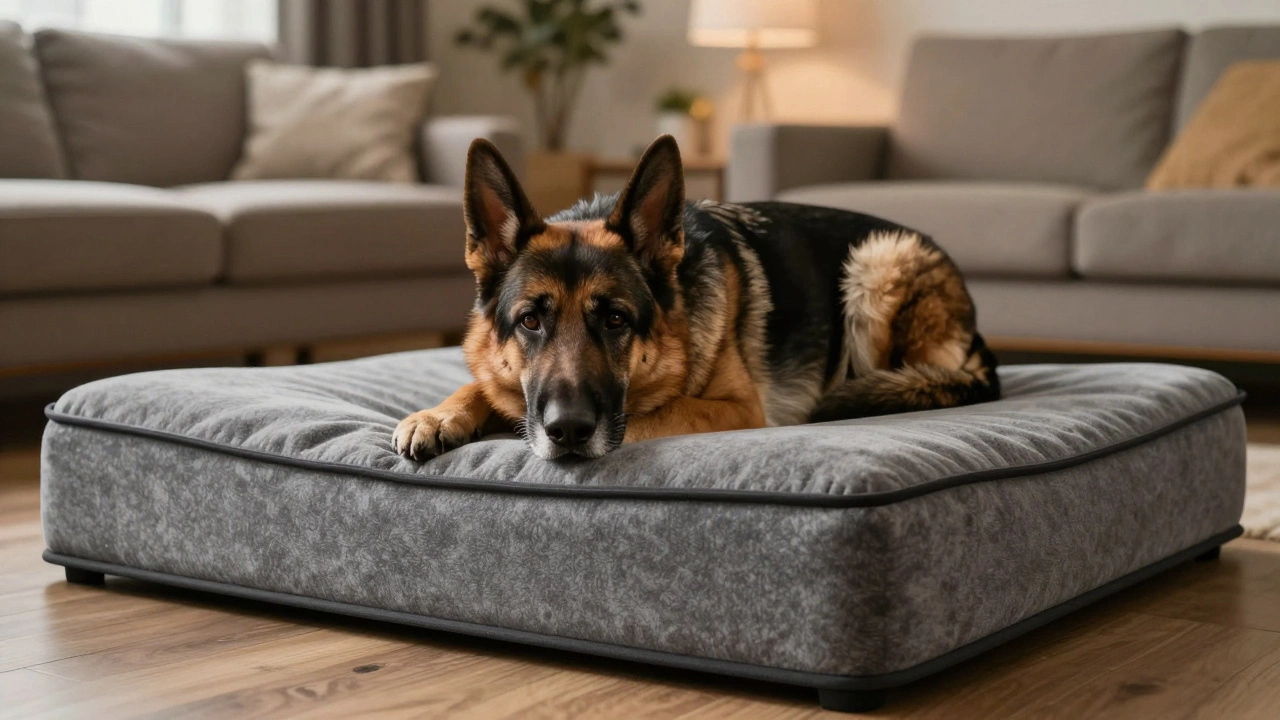
While a young, healthy pup might love the floor, it's a different story as they age. Hard surfaces are brutal on a dog's joints over time. Osteoarthritis is common in larger breeds like Labradors or German Shepherds, and lying on a hard floor can put unnecessary pressure on the elbows and hips.
For senior dogs, an orthopedic dog bed isn't just a luxury-it's a health requirement. These beds typically use high-density memory foam that distributes the dog's weight evenly. This prevents the "pressure point" effect where the bone pushes directly against the skin and floor. If your old dog is struggling to get up from the floor, a low-profile orthopedic bed can make a massive difference in their mobility and overall quality of life.
| Surface Type | Best For... | Main Advantage | Main Drawback |
|---|---|---|---|
| Hardwood/Tile | Hot dogs, Summer months | Rapid cooling | Hard on joints |
| Plush Beds | Cold weather, Small breeds | Warmth and coziness | Retains heat |
| Orthopedic Foam | Senior dogs, Large breeds | Joint support | Expensive |
| Raised Cots | Active dogs, Humid climates | Airflow underneath | Less cushioning |
The Psychological Need for Security
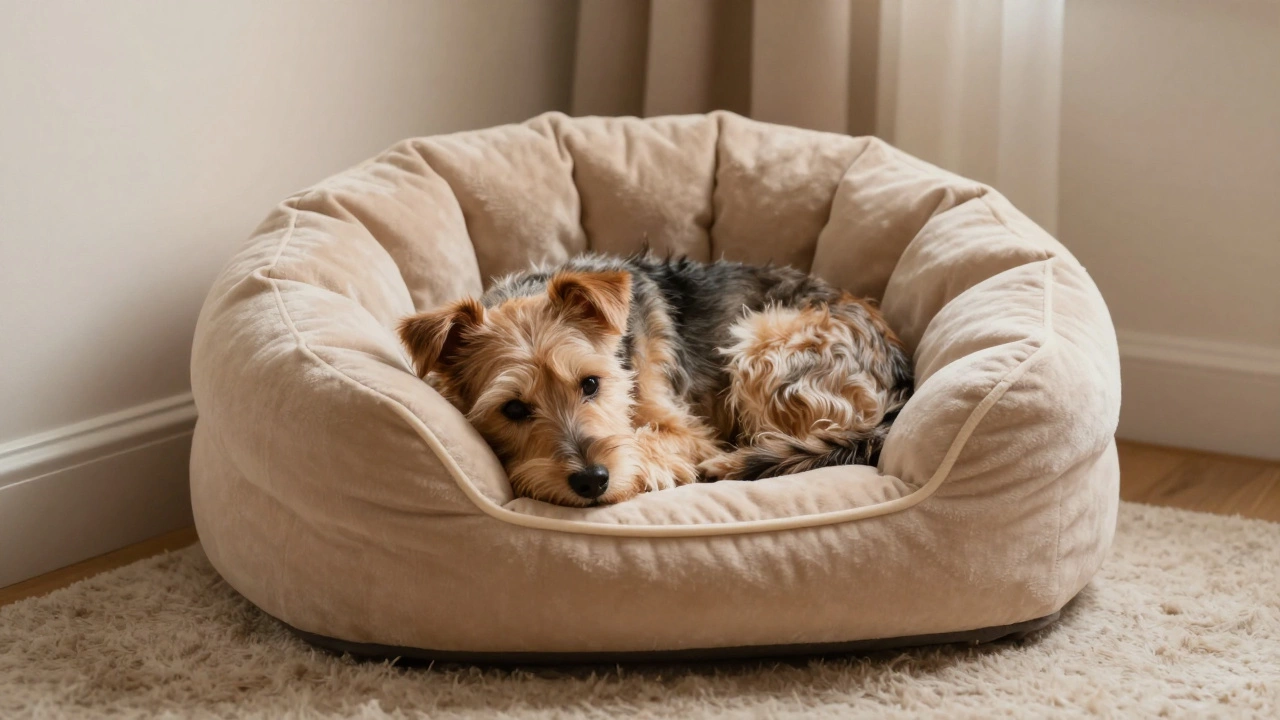
Beyond physical comfort, dogs are driven by an ancestral "denning instinct." In the wild, a dog's ancestors slept in burrows or tight spaces to protect themselves from predators and keep warm. When a dog chooses a corner of the room or sleeps under a table, they are seeking a sense of enclosure. A wide-open floor in the middle of a room can feel exposed and stressful for some anxious dogs.
This is where donut beds or hooded beds come into play. By providing raised edges that wrap around the dog, these beds mimic the feeling of a cave. If your dog ignores their flat mat but loves to curl up in a laundry basket, they aren't being weird-they're looking for a psychological safety net. Providing a bed with bolsters allows them to rest their head and feel protected from all sides.
Reading Your Dog's Body Language
How can you tell if your dog is actually unhappy with their bed? It's all in the movement. If your dog spends five minutes circling, scratching, and rearranging the bedding before finally lying down, they are trying to "nest." In the wild, this served to flatten grass and scare away insects. However, if they do this and then immediately leave the bed to lie on the floor, the bed is likely the problem-either too hot, too soft, or too exposed.
Pay attention to the time of year. A dog that loves their plush bed in January might hate it in July. This is a normal seasonal shift. You don't necessarily need to buy a new bed every six months; instead, try removing the fluffy topper or switching to a breathable cotton cover during the warmer months. Many owners find that simply placing a bed in a drafty area near a vent encourages their dog to use it more often.
How to Encourage Your Dog to Use Their Bed
If you're tired of dog hair all over your rugs and want them to stick to their designated spot, you have to make the bed more attractive than the floor. You can't just put a bed in a corner and hope for the best. Try these practical steps:
- Scent Association: Put an old t-shirt you've worn in the bed. Your scent is the most comforting thing in the world to your dog and makes the bed feel like a "safe zone."
- Strategic Placement: Put the bed where they already like to hang out. If they always sleep by the front door, put the bed there. Don't force them to move to a different room just because that's where the "bedroom" is.
- Positive Reinforcement: Toss a few high-value treats onto the bed. When they climb in, praise them. You're building a mental link between the bed and a rewarding experience.
- Texture Testing: Some dogs hate the feeling of synthetic polyester. If your dog avoids a specific fabric, try a canvas or cotton cover.
Common Pitfalls When Choosing a Bed
One of the biggest mistakes owners make is buying a bed based on how it looks in the living room rather than how the dog actually sleeps. If your dog is a "sprawler" who sleeps on their back with legs in the air, a donut bed will be useless because they'll constantly fall out of it. They need a large, flat rectangular mat.
Conversely, if your dog is a "curler" who tucks their nose into their tail, a giant flat mattress is a waste of space. They want something they can sink into. Matching the bed style to the sleeping position is the fastest way to ensure the bed doesn't end up as a glorified floor rug. Also, be wary of overly deep foam for puppies; while it's great for seniors, some puppies find it too "squishy," making them feel unstable when they try to stand up.
Why does my dog sleep on the floor even though they have a bed?
The most common reason is temperature. Dogs overheat easily and use cold floors to cool down their bodies. Other reasons include a preference for a specific texture, a desire for more space to stretch out, or a lack of comfort in the bed's material.
Is it bad for my dog to sleep on a hard floor?
For healthy young dogs, it's generally fine. However, for senior dogs or those with joint issues like hip dysplasia, hard floors can cause discomfort and put pressure on joints. In these cases, an orthopedic bed is highly recommended to provide necessary support.
What is the best type of bed for a dog that gets hot?
Elevated dog cots are excellent because they allow air to circulate underneath the dog. Cooling gel mats are another great option as they actively draw heat away from the body. Avoid high-pile plush fabrics in the summer.
How do I know if my dog needs an orthopedic bed?
Look for signs of stiffness when they wake up, difficulty climbing stairs, or a tendency to limp after resting on a hard surface. If your dog is over seven years old or is a large breed, an orthopedic bed is a proactive way to protect their joints.
Do dogs actually care about the brand of their bed?
Not at all. Dogs care about three things: temperature, support, and security. A cheap bed that fits their sleeping style and keeps them cool will always be preferred over an expensive luxury bed that is too hot or the wrong shape.
Next Steps for Your Dog's Comfort
If you're still unsure why your dog is avoiding their bed, try a simple experiment: move the bed to the exact spot where they currently choose to sleep on the floor. If they still avoid it, the issue is likely the material or the temperature. If they suddenly love it, the issue was the location.
For owners of multi-dog households, remember that a "bed hierarchy" often exists. The alpha dog usually claims the best spot, which might force the other dogs onto the floor. Adding more options-like a mix of mats, cots, and plush beds-can reduce competition and ensure every pup has a comfortable place to crash.