Dog Sleep Preference Analyzer
Discover why your dog chooses the floor or the bed based on breed, age, and health.
Analysis Result
Recommendation:
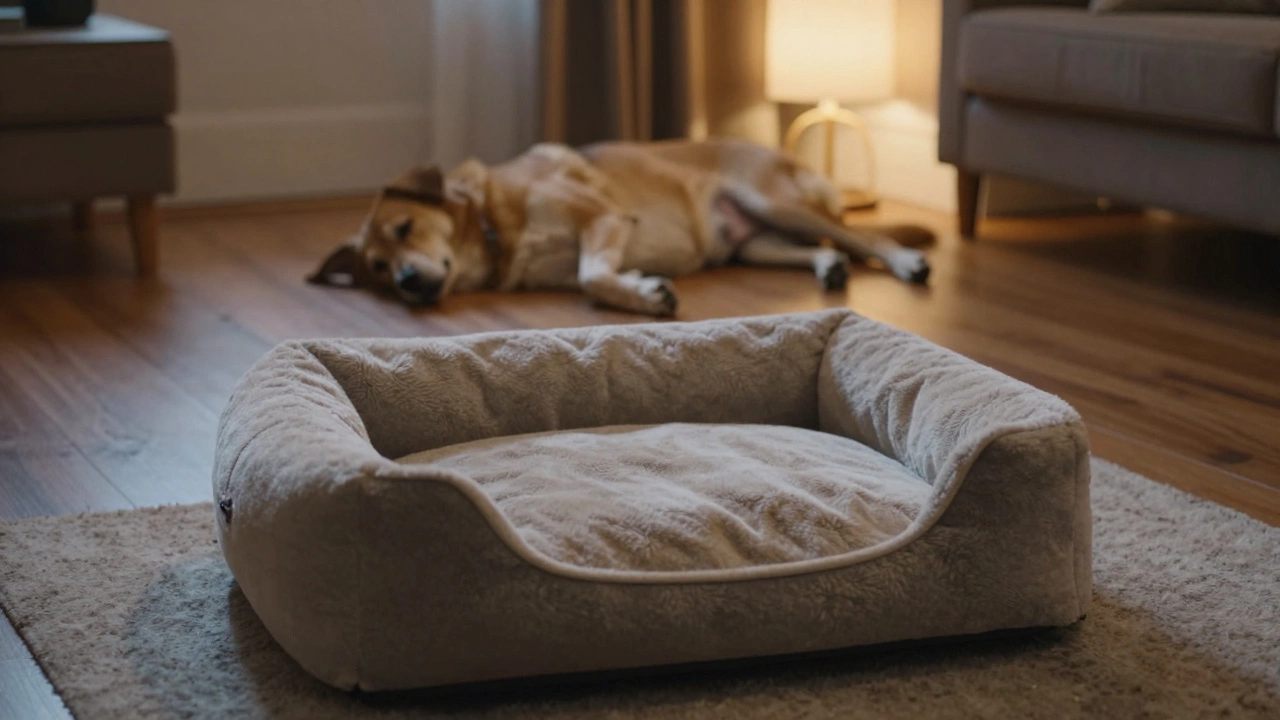
You wake up in the middle of the night to check on your dog. You expect to find them curled up in their expensive, plush memory foam bed you bought last month. Instead, they are sprawled out flat on the cold hardwood floor, looking perfectly content. It’s a common scene that leaves many owners confused and slightly hurt. Did we waste our money? Does the dog hate the bed?
The short answer is: it depends. But the real story is much more interesting than just preference. Your dog’s choice between the floor and the bed reveals everything about their breed heritage, their current health status, and even the temperature in your home. Understanding why dogs choose the floor can help you decide whether to intervene, change the bedding, or simply let them be.
The Evolutionary Instinct: Why the Floor Feels Safe
To understand why your modern house pet might prefer the hard ground, you have to look back at their ancestors. Wolves and wild canids do not sleep on mattresses. They dig shallow depressions in the earth to create a windbreak and expose cooler soil layers. This instinct never fully disappeared.
For many dogs, the floor represents stability. A soft, sinking bed can feel unstable or insecure to some animals. When a dog lies on a hard surface, they have full control over their body position. There is no sinking, no shifting. For breeds with high prey drive or those that were historically working dogs, like Border Collies or German Shepherds, this alertness translates into sleeping preferences. They often prefer surfaces where they can get up instantly if they hear a noise.
Additionally, the floor is often cooler. Dogs regulate their body temperature differently than humans. They don’t sweat through their skin; they pant and release heat through their paw pads. A cool tile or hardwood floor acts as a natural radiator, drawing heat away from their body. If your dog is a thick-coated breed, like a Husky or a Golden Retriever, the floor isn't just a preference-it’s a cooling strategy.
Health Signals: When the Floor Is a Warning Sign
Sometimes, a sudden shift from bed to floor is not about comfort but about pain. This is the most critical reason to monitor your dog’s sleeping location. If your dog has always loved their bed but suddenly starts avoiding it, pay attention.
- Arthritis and Joint Pain: As dogs age, getting up from a low, soft surface can become painful. Paradoxically, some arthritic dogs avoid beds because the cushioning makes it harder to push themselves up. Others avoid them because the bed doesn't provide enough support for inflamed joints. Look for stiffness when they stand up after lying on the floor.
- Anxiety: Dogs with separation anxiety or general nervousness often seek the "center" of the home. The floor in the living room or near the bedroom door allows them to stay close to you while maintaining a vantage point. A bed tucked away in a corner might feel isolating to an anxious dog.
- Digestive Issues: Some dogs find pressure on their abdomen uncomfortable. A firm floor distributes weight evenly without pressing against the stomach, which can be soothing for dogs with bloating or recent surgery.
If you notice limping, whining, or difficulty rising alongside the floor-sleeping habit, schedule a vet visit. It might be time for an orthopedic dog bed designed specifically for joint support, rather than just a softer one.

The Temperature Factor: Thermoregulation in Dogs
Let’s talk about heat. In Wellington, New Zealand, where I live, the weather shifts quickly, but in many parts of the world, summer temperatures soar. Dogs have a higher core body temperature than humans-around 101°F to 102.5°F (38.3°C to 39.2°C). They overheat easily.
A standard plush bed traps body heat. Unless it has breathable mesh sides or cooling gel inserts, it becomes an oven by midnight. Conversely, ceramic tiles, slate, or polished concrete floors stay cool. If your dog sleeps on the floor during the day but moves to the bed at night, they are likely responding to the ambient temperature drop.
This is also why you’ll see dogs stretch out flat on their bellies on the floor. This posture maximizes surface area contact with the cool ground, allowing for efficient heat dissipation. If you want your dog to use the bed in hot weather, consider switching to a cooling mat or a raised cot-style bed that allows air circulation underneath.
Breed Matters: Genetics Dictate Comfort
Not all dogs are created equal when it comes to sleep. Their genetic background plays a huge role in what feels comfortable.
| Dog Type | Preferred Surface | Reason |
|---|---|---|
| Brachycephalic (e.g., Bulldogs, Pugs) | Floor or Firm Mattress | Need to keep airways open; soft pillows can restrict breathing. |
| Working Herders (e.g., Cattle Dogs) | Floor | High energy, need to stay alert, dislike confinement. |
| Senior/Arthritic Breeds | Orthopedic Bed | Require pressure relief for hips and elbows. |
| Small Toy Breeds (e.g., Chihuahuas) | Plush Bed | Poor circulation in paws; need warmth and cushioning. |
For example, a Bulldog struggles with breathing issues. A fluffy bed that sinks around their face can make it harder for them to breathe comfortably. They often prefer the firm support of the floor or a very thin, firm mattress. On the other hand, a small Chihuahua has little body mass to generate heat. They crave the insulation and softness of a plush bed to prevent their joints from chilling.
How to Encourage Bed Use (If You Want Them To)
Maybe you don’t mind them on the floor, but you’re worried about dust, drafts, or hygiene. Or perhaps you just want them to have a designated space. You can train your dog to prefer the bed using positive reinforcement.
- Make the Bed Irresistible: Place high-value treats, kibble, or their favorite chew toy on the bed. Let them discover that good things happen there.
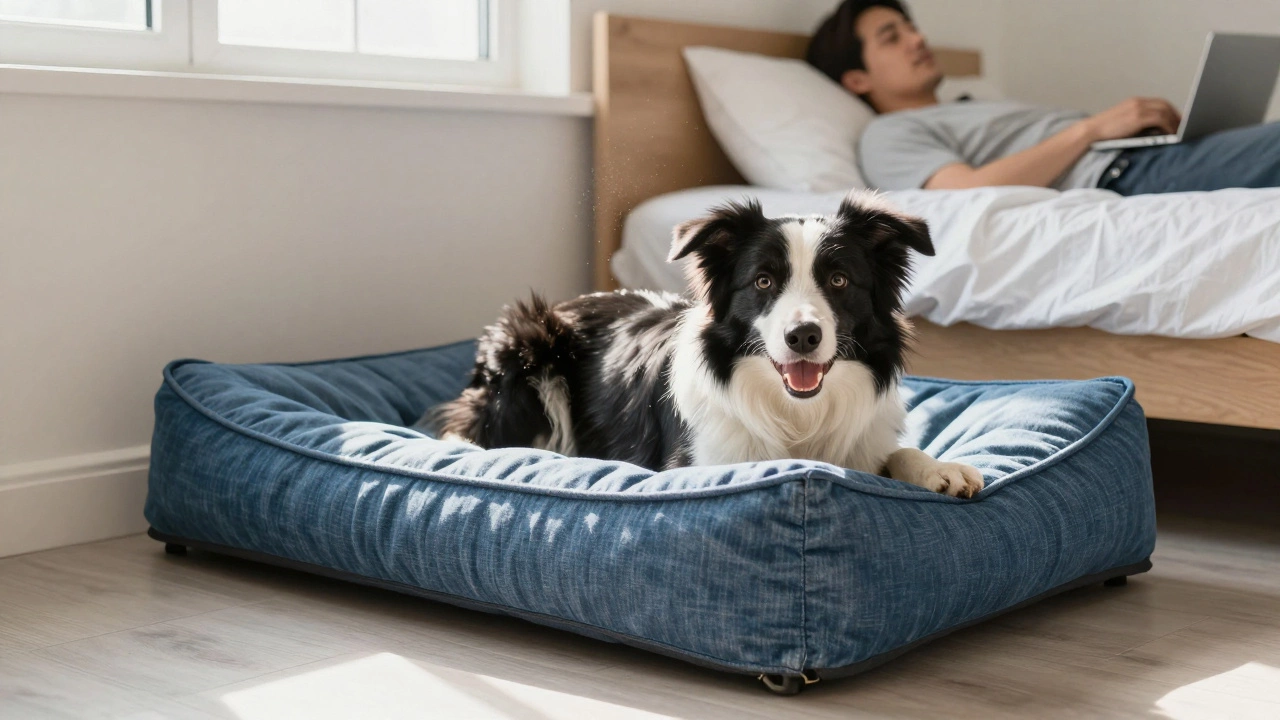
- Use the Right Location: If your dog sleeps near you, move the bed closer to your side of the human bed. Many dogs are pack animals and want proximity. A bed on the floor far from the family is useless to a social dog.
- Change the Texture: If they reject a fluffy bed, try a denim-covered bolster bed or a faux-fur mat. Mimic the texture of your own blanket or a rug they already like.
- Keep It Clean: Dogs are surprisingly clean. If the bed smells stale or holds odors, they will avoid it. Wash the cover weekly.
Never force them onto the bed. This creates negative associations. Instead, lure them gently. Over time, the bed becomes a safe haven rather than a chore.
When to Let Them Be
Here is the most important takeaway: if your dog is healthy, happy, and choosing the floor voluntarily, let them. We often project human preferences onto our pets. We think, "That looks hard," so we assume it must be uncomfortable. But to a dog, the floor might offer the perfect balance of coolness, security, and stability.
Observe their behavior. Are they restless? Do they sigh and settle deeply? If they look relaxed, their choice is valid. Your job is to ensure the environment is safe-free of sharp objects, extreme cold, or drafts-but not to dictate their comfort style unless health dictates otherwise.
Ultimately, whether your dog likes the floor or the bed is less about the object and more about the feeling. By understanding their instincts, breed traits, and physical needs, you can provide the right support system for their rest. And remember, a well-rested dog is a well-behaved dog, regardless of where they catch their Zzzs.
Is it bad for my dog to sleep on the floor?
Generally, no. Most healthy adult dogs can sleep comfortably on hard floors. However, senior dogs, puppies, and breeds with thin coats may suffer from joint pain or chill if the floor is too hard or cold. Monitor for signs of stiffness or shivering.
Why does my dog ignore his new bed?
Dogs may ignore new beds due to unfamiliar scent, wrong texture, or incorrect placement. Try placing treats on the bed, washing it to remove factory smells, or moving it closer to where you sleep. Sometimes, the bed is simply too warm or too soft for their preference.
Do dogs sleep better on hard or soft surfaces?
It depends on the dog's age and health. Young, active dogs often prefer firmer surfaces for stability and cooling. Older dogs or those with arthritis benefit from soft, supportive orthopedic beds that relieve pressure points on their joints.
Should I put a blanket on the floor for my dog?
Yes, if your dog prefers the floor but you are concerned about drafts or cleanliness. A washable blanket provides a compromise: it offers slight cushioning and warmth while maintaining the stable, cool surface the dog enjoys.
Can sleeping on the floor cause hip dysplasia?
No, sleeping on the floor does not cause hip dysplasia. Hip dysplasia is primarily a genetic condition exacerbated by rapid growth in large breeds. However, if a dog already has hip issues, a hard floor may worsen discomfort, making an orthopedic bed a better choice for pain management.