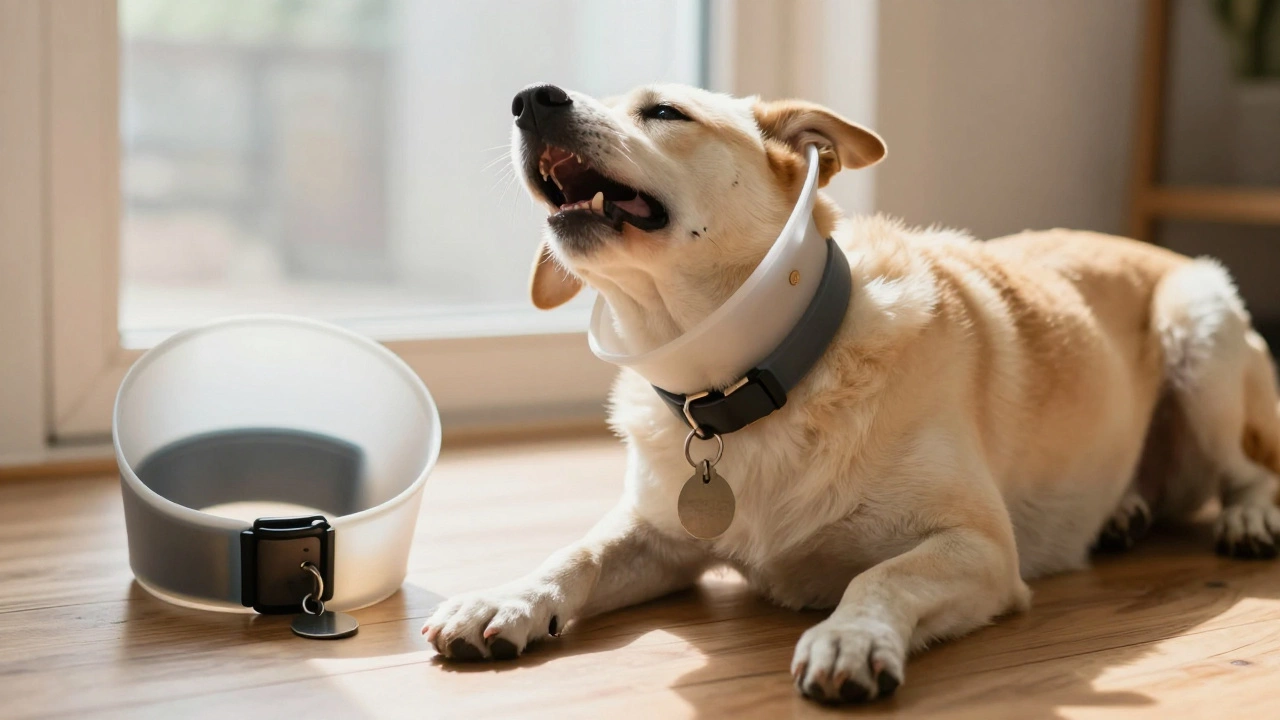
Ever watched your dog wiggle, twist, or scratch at their collar like it’s the worst thing ever? You might think they hate it. But do dogs actually like taking their collars off? The answer isn’t as simple as yes or no. It depends on how the collar fits, what’s attached to it, and what your dog’s daily life looks like.
Why Dogs React to Collars
Dogs don’t think about collars the way we do. They don’t see them as fashion accessories or safety devices. To them, a collar is just something around their neck-something they feel every second. And dogs are super sensitive to pressure, friction, and tightness around their necks. A collar that’s too snug? That’s like wearing a sweater that never comes off. Too loose? It slides, flips, and tangles. Both feel weird.Most dogs don’t mind collars if they’re used to them. But if the collar is new, stiff, or has a heavy tag, that’s when you’ll see the head shaking, the pawing, the rolling on the floor. It’s not about freedom-it’s about discomfort. A 2023 study from the University of Edinburgh looked at 1,200 dogs wearing different collar types and found that 68% of dogs showed signs of irritation within the first 48 hours if their collar was made of rigid plastic or had a metal tag larger than 2 cm.
What Makes a Collar Uncomfortable?
Not all collars are created equal. Here’s what actually bothers dogs:- Weight: A heavy ID tag or a metal nameplate can drag down on the neck. Think of it like wearing a keychain that weighs half a pound around your neck all day.
- Material: Nylon collars with rough stitching? They rub. Leather that hasn’t been conditioned? It stiffens and cracks. Soft, flexible materials like woven cotton or silicone-coated nylon are way better.
- Fit: You should be able to slip two fingers under the collar easily. If you can’t, it’s too tight. If you can slide your whole hand through, it’s too loose and will catch on things.
- Hardware: Buckles that click loudly, D-rings that dig into the skin, or chains that clink every time they move? Dogs notice every sound and vibration.
One dog owner in Wellington noticed her Border Collie started scratching at his collar every morning. She switched from a heavy plastic buckle to a soft, adjustable nylon collar with a plastic clasp and a tiny silicone tag. The scratching stopped within three days. No training. No treats. Just a better-fitting collar.
Do Dogs Actually Enjoy Taking Their Collars Off?
Yes-sometimes. But not because they’re rebelling. It’s because they feel relief.Think about it: if you wore a tight shirt 24/7, wouldn’t you feel better when you took it off? That’s what happens with dogs. Many dogs will shake their whole body, roll on the ground, or stretch their necks when their collar is removed. It’s a physical release. Not joy. Relief.
But here’s the twist: dogs don’t always want the collar off. If they’ve been wearing it for months without issues, they don’t notice it. It’s like socks. You don’t think about them until they’re itchy. A well-fitted, lightweight collar becomes part of their normal sensory experience.
That’s why some dogs don’t react at all when their collar is removed. They’ve learned it’s just there. Others go nuts. It’s not about personality-it’s about fit, function, and familiarity.
When Should You Take the Collar Off?
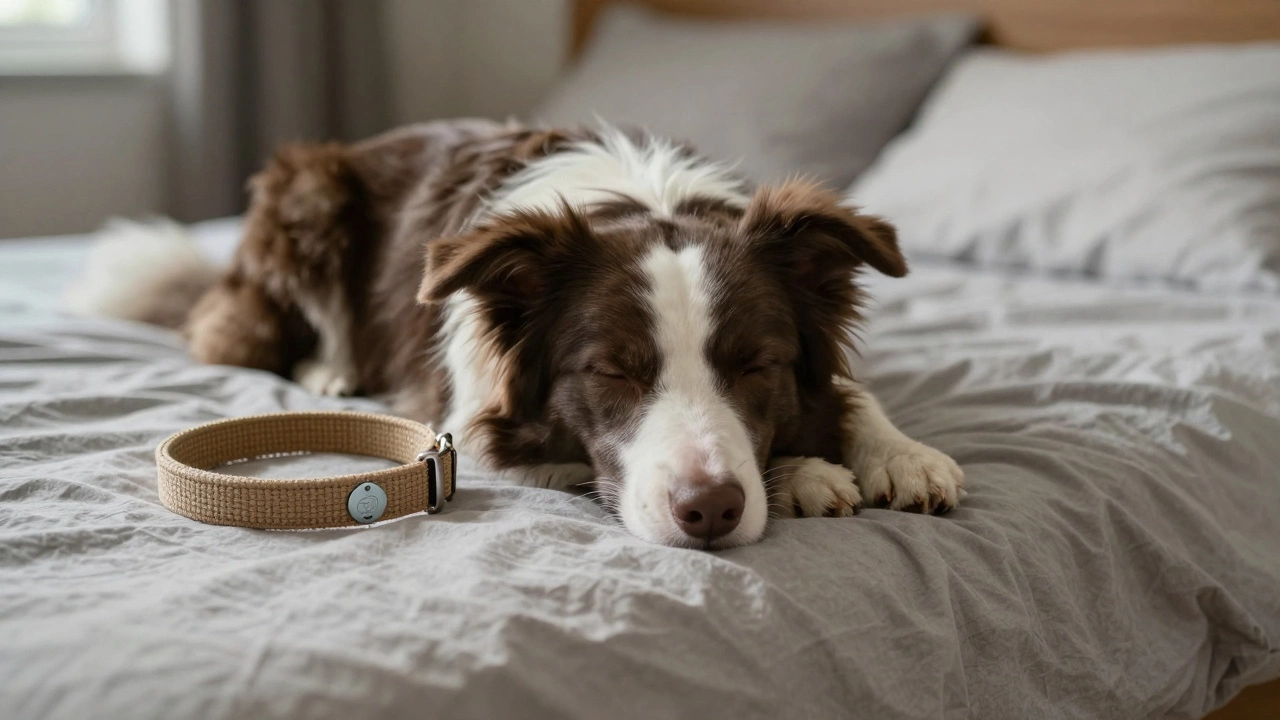
There are safe times to remove a collar-and times when you shouldn’t.- Take it off: When your dog is in a secure, fenced yard and supervised. When they’re sleeping in a quiet room with no risk of escaping. When they’re getting a bath or grooming. When they’re playing with other dogs and the collar might get caught.
- Keep it on: If your dog is outdoors unsupervised. If they’re not microchipped. If they’ve been trained to respond to a leash and collar cue. If they’re prone to wandering.
Microchipping is great, but it’s not a replacement for a collar. A collar with a tag is the fastest way for someone to identify your dog if they get lost. A microchip only helps if they’re taken to a vet or shelter. A collar? Any passerby can read it.
Alternatives to Traditional Collars
If your dog hates collars, you’re not stuck with them. There are better options:- Harnesses: These distribute pressure across the chest and shoulders. Great for dogs who pull or have neck sensitivities. But they’re not ideal for ID tags unless you attach them securely.
- Safety Breakaway Collars: These snap open if caught on something. Perfect for curious dogs who like to explore bushes or fences. They’re lightweight and designed to release under pressure.
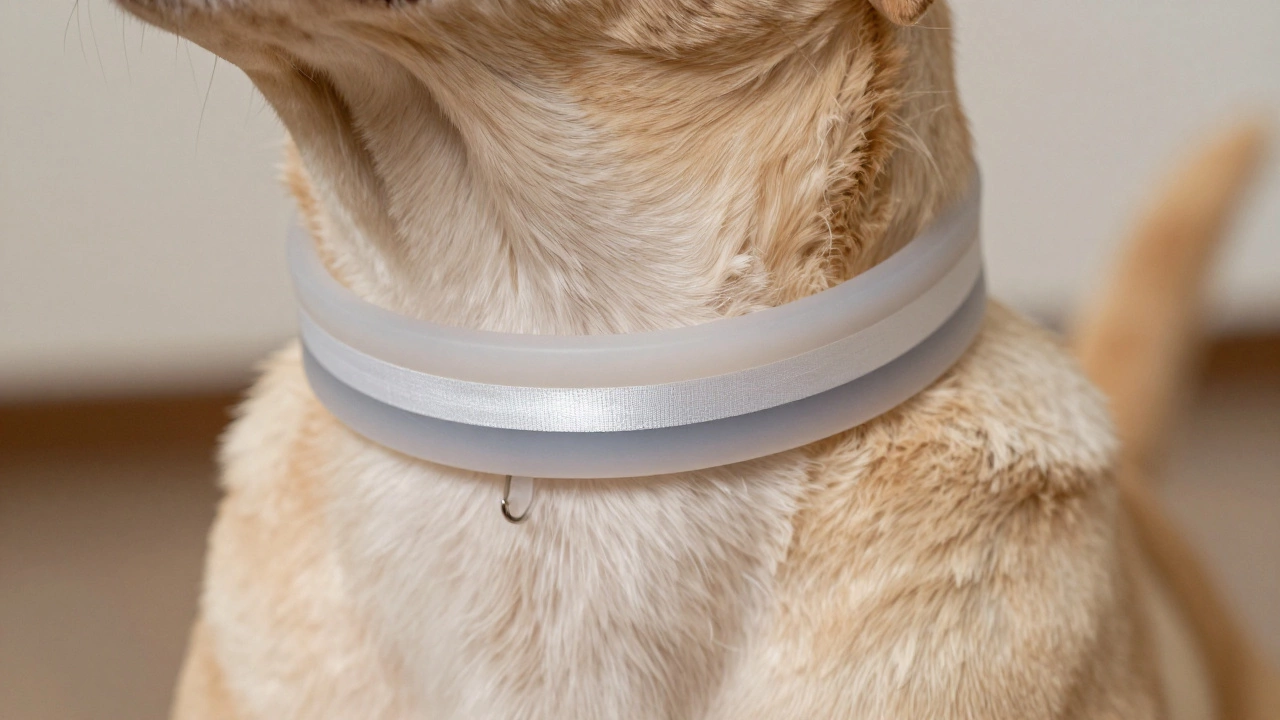
- Soft Silicone Collars: Flexible, waterproof, and nearly weightless. Ideal for dogs who hate stiffness. Some even have built-in reflective strips for night walks.
- Engraved Tags on Collars: Skip the jingle. Use flat, engraved tags instead of dangling ones. Or use a tag made of silicone-it won’t clink.
A 2024 survey of 800 dog owners who switched from standard collars to soft silicone collars found that 79% reported reduced scratching, head shaking, and neck rubbing within two weeks.
What to Do If Your Dog Is Obsessed With Removing Their Collar
If your dog is constantly pawing, biting, or trying to slip out of their collar, it’s not just about fit. It could be:- A medical issue-like skin irritation, flea bites, or an allergic reaction to the collar material.
- Anxiety-some dogs associate collars with being leashed for vet visits or being left alone.
- Learned behavior-if they got attention (even negative) when they removed it, they’ll keep doing it.
Try this: remove the collar for 10 minutes every day while your dog is calm. Don’t make a big deal out of it. No praise. No scolding. Just put it back on. Repeat for a week. If the behavior drops, it was likely just discomfort. If it gets worse? Talk to your vet. There might be a skin infection or anxiety issue hiding underneath.
The Bottom Line
Dogs don’t hate collars. They hate bad collars. A well-fitted, lightweight, soft collar with minimal hardware? Most dogs barely notice it. A heavy, noisy, tight one? They’ll do everything to get rid of it.So if your dog seems to love taking their collar off, don’t assume they’re rebelling. Check the fit. Swap the tag. Try a different material. Sometimes, the simplest fix is the one you never thought to try.
And if they still wiggle and roll when you take it off? That’s not hate. That’s relief.
Do dogs feel pain when wearing collars?
Dogs don’t feel pain from a properly fitted collar. But if it’s too tight, too stiff, or has rough edges, it can cause chafing, hair loss, or even nerve irritation. Signs include constant scratching, redness, or bald patches around the neck. A collar should never dig into the skin. If it does, it’s not the dog’s fault-it’s the collar’s.
Is it safe to take a dog’s collar off at night?
Yes, if your dog is indoors, in a secure space, and doesn’t have a history of escaping. Many owners remove collars at night to let the skin breathe and reduce pressure. Just make sure your dog is microchipped and has a backup ID tag stored with their medical records. Never remove the collar if your dog is unsupervised outdoors or around other animals.
Why does my dog act crazy after I take off their collar?
It’s usually physical relief. Collars can create pressure, friction, or tugging on the neck. When it’s removed, dogs shake their whole body, stretch, or roll over-it’s like you’ve just taken off a tight sweater after hours of wear. It’s not excitement. It’s release. If the behavior is extreme or includes biting, it might signal underlying discomfort or anxiety.
Can dogs sleep with collars on?
Yes, but it’s not always best. If the collar is soft, well-fitted, and has no dangling tags, it’s usually fine. But if it’s stiff, noisy, or tight, it can disrupt sleep or cause skin issues over time. Many experts recommend removing collars during long sleep periods if the dog is in a safe, enclosed space. Always check for signs of irritation.
What’s the best type of collar for a dog that hates collars?
Soft silicone collars or woven cotton collars with a plastic buckle are the top choices. They’re lightweight, flexible, and quiet. Avoid metal buckles, heavy tags, and rigid plastic. A breakaway collar with a tiny engraved silicone tag is ideal. Many dogs tolerate these so well, they barely notice they’re wearing one.