Dog Co-Sleeping Compatibility Checker
Not sure if sharing your bed is the right choice? Answer these questions to get a personalized recommendation.
Recommendation
Key Considerations:
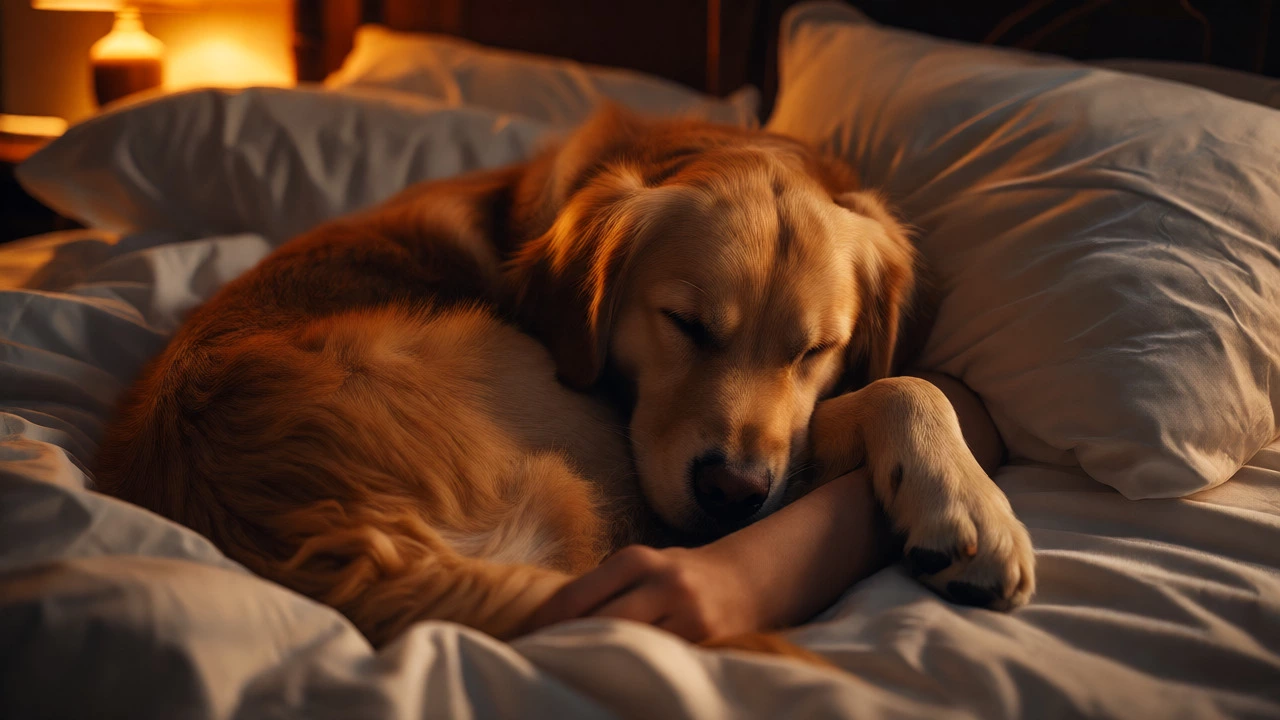
You wake up at 3 AM. There is a warm, furry weight on your chest, a rhythmic snoring right by your ear, and you can’t move your arm because it’s trapped under a leg. You wonder: does my dog actually like this, or are they just using me as a human mattress? It’s a question every dog owner asks eventually. The short answer is yes, most dogs genuinely enjoy sleeping with their humans, but the reasons are deeper than just wanting warmth.
Understanding why your dog chooses your bed over their own expensive orthopedic cushion requires looking at canine psychology, biology, and history. This isn't just about cute cuddles; it's about pack dynamics, security, and comfort. If you’re trying to decide whether to let them stay or train them to use a dog bed, knowing the "why" helps you make the right call for both of you.
The Pack Instinct: Why Your Dog Wants to Be Close
To understand modern dog behavior, you have to look at their ancestors. Wolves and wild canids rarely sleep alone. In the wild, sleeping together serves two critical functions: warmth and protection. A pile of bodies conserves heat during cold nights, and having multiple sets of eyes and ears on guard duty means predators get fewer surprises. Your domestic dog still carries this genetic blueprint.
When your dog curls up next to you, they aren't just being needy. They are engaging in a primal instinct that says, "This group is safe." By choosing your spot, they are reinforcing the bond that defines their social structure. You are part of their pack. Excluding them from the sleeping area might not hurt them physically, but it can trigger mild anxiety in some breeds because it disrupts that sense of communal security.
However, not all dogs react the same way. Some view the bedroom as a resource to be guarded, while others see it purely as a source of comfort. Observing your dog's body language is key. Are they relaxed, sighing, and stretching out? That’s contentment. Are they stiff, watching the door, or growling when you shift? That’s possessiveness or anxiety. The intent behind the proximity matters more than the proximity itself.
Scent and Security: The Olfactory Bond
Dogs experience the world primarily through their noses. Your scent is the most powerful signal of safety in their environment. Studies suggest that dogs can distinguish their owner’s scent from strangers even in complex mixtures, and that specific scent lowers their heart rate and reduces cortisol levels. When they sleep near you, they are bathing in the chemical signature that tells their brain everything is okay.
This olfactory connection explains why a dog might ignore a brand-new, fluffy bed in the living room but insist on squeezing into the corner of your mattress. Your pillowcase smells like you. Their own bed smells like laundry detergent or factory plastic. For a dog seeking reassurance after a stressful day-maybe a vet visit or a loud thunderstorm-your scent is the ultimate sedative. It’s not vanity; it’s biological regulation.
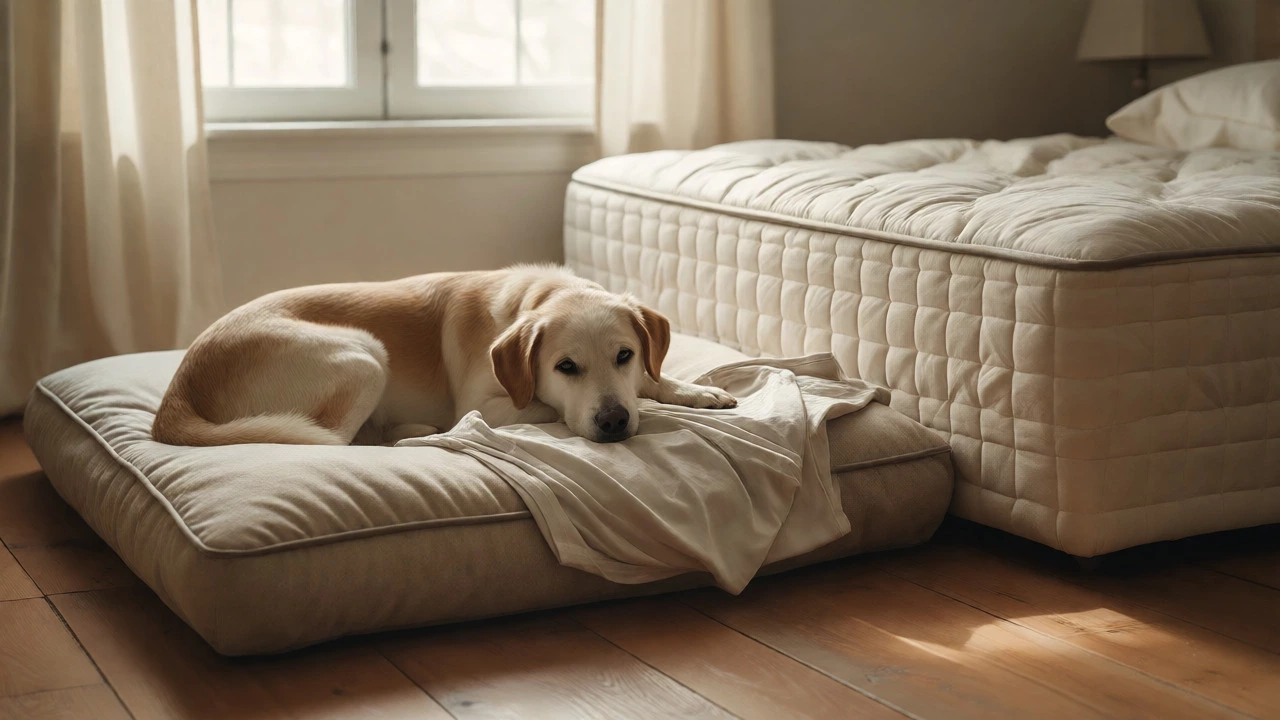
If you want to encourage independent sleeping without breaking this bond, try swapping your old t-shirt into their bed. It provides the scent anchor they crave while keeping the physical distance you might need. This trick often works better than simply banning them from the room, which can feel like punishment rather than boundary-setting.
Comfort and Temperature Regulation
Let’s be honest: human beds are softer than almost any pet product on the market. Memory foam, down feathers, and high-thread-count sheets create a level of luxury that most dog beds struggle to match. While premium orthopedic beds exist, they often lack the "sink-in" quality of a human mattress.
Temperature also plays a huge role. Dogs regulate their body temperature differently than humans. Many breeds, especially those with thin coats like Greyhounds or Chihuahuas, seek external heat sources. Your body runs hot, and your bed retains that heat. Conversely, thick-coated breeds like Huskies or Malamutes might actually prefer a cooler floor or a raised cot-style bed in summer. If your dog is panting heavily or shifting constantly on the bed, they might be overheating. In these cases, they aren't rejecting you; they are struggling with thermoregulation.
| Dog Type | Likely Preference | Reason |
|---|---|---|
| Small/Thin-Coated (e.g., Chihuahua) | Under covers/Close contact | Heat conservation and security |
| Large/Giant (e.g., Great Dane) | Floor or large crate | Space constraints and joint pressure relief |
| Anxious/Nervous Breeds | Human bed/Cuddle position | Olfactory reassurance and pack bonding |
| High-Energy Working Breeds | Own bed/Independent space | May value personal territory and deep rest |
Health Implications: Is Co-Sleeping Safe?
Before you commit to nightly cuddles, consider the health factors. Most veterinarians agree that for healthy adults and healthy dogs, co-sleeping is generally safe. However, there are specific scenarios where it’s risky. If you have allergies, asthma, or a compromised immune system, adding dander, dust mites, and potential parasites to your breathing zone might exacerbate symptoms.
Zoonotic diseases-illnesses passed between animals and humans-are rare but possible. Fleas, ticks, and ringworm are the most common culprits. Regular flea prevention and grooming minimize this risk significantly. If your dog sleeps outdoors or rolls in mud regularly, bringing them inside introduces more dirt and bacteria to your sheets. Washing bedding weekly in hot water mitigates this, but if you notice skin irritations or respiratory issues, it’s worth evaluating the arrangement.
For children, caution is advised. Young kids may roll onto a dog or pull tails during sleep, leading to accidental bites. The American Academy of Pediatrics suggests supervising interactions between toddlers and pets closely, including during nap times. If your dog has a history of resource guarding, sleeping in a shared space can sometimes escalate tension if boundaries aren't clear.
How to Train Your Dog to Love Their Own Bed
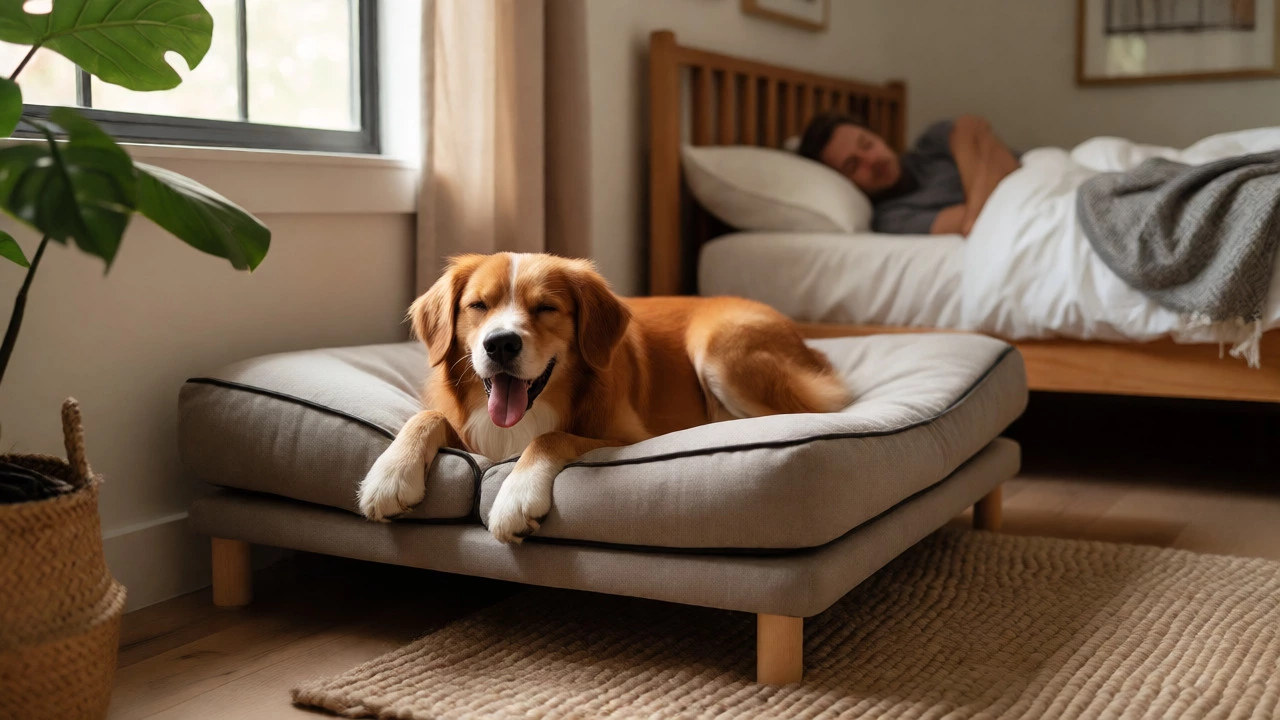
Maybe you love your dog, but you hate waking up with a paw in your face. Or perhaps you have back pain and need your mattress to yourself. Training a dog to sleep independently doesn't mean rejecting them; it means teaching them that their space is equally rewarding.
- Choose the Right Spot: Place the bed in a quiet area where the dog can still see you. Complete isolation feels like exile to a pack animal. A corner of the bedroom is ideal.
- Make It Tempting: Use an unwashed shirt of yours in the bed. Add a treat-stuffed toy or a chew bone exclusively for bedtime. The bed must be associated with positive rewards, not boredom.
- Create a Routine: Lead the dog to the bed, give a command like "Go to bed," and reward them immediately when they lie down. Repeat this consistently.
- Ignore the Whining: If they jump off and come to you, calmly return them to the bed without talking or making eye contact. Attention reinforces the behavior; silence discourages it.
- Gradual Distance: Once they stay put in the bedroom, slowly move the bed further away or outside the door if desired, maintaining the routine each night.
Patience is crucial. This transition can take weeks. Consistency is non-negotiable. If you let them on the bed one night because you're tired, and ban them the next, the confusion will cause more stress than the initial separation.
Choosing the Best Dog Bed for Your Lifestyle
If you decide to keep your dog in their own bed, selecting the right one impacts how well they accept it. Not all beds are created equal. Here’s what to look for based on your dog’s needs:
- Orthopedic Foam: Essential for senior dogs or large breeds prone to arthritis. Look for memory foam that returns to shape slowly, providing support rather than just softness.
- Bolster Beds: Great for dogs who like to lean against something. The raised edges mimic the feeling of leaning against a pack mate or a wall, offering psychological security.
- Calm-Aiding Beds: These feature raised rims and faux fur interiors. They appeal to denning instincts, appealing to anxious dogs who need a "cave" to retreat into.
- Elevated Cots: Ideal for hot climates or heavy shedders. Airflow underneath keeps them cool, and hair falls off easily rather than embedding in fabric.
Remember, the best bed is the one they actually use. Don't buy based on aesthetics alone. Let your dog test it before committing, or choose retailers with good return policies.
Is it bad for my dog to sleep in my bed?
Generally, no. For most healthy dogs and owners, it is safe and strengthens the bond. However, it can reinforce separation anxiety if the dog becomes unable to sleep anywhere else. It may also worsen allergies or introduce pests if hygiene isn't maintained.
Why does my dog only sleep on my side of the bed?
Dogs often choose the side closest to the headboard or the partner they feel safest with. Your scent is strongest near your pillow. Additionally, many dogs naturally gravitate toward the "alpha" or primary caregiver in the household, viewing that side of the bed as the prime protective spot.
How do I stop my dog from jumping on the bed?
Use consistent commands and positive reinforcement. Reward your dog for staying on their mat or bed. If they jump up, calmly remove them without attention. Using a baby gate to restrict access to the bedroom temporarily can help break the habit until training takes hold.
Do dogs dream when they sleep with us?
Yes, dogs enter REM sleep where dreaming occurs, regardless of location. Sleeping close to humans doesn't change the ability to dream, but the reduced stress hormones from feeling secure might lead to deeper, more restful sleep cycles, potentially resulting in more vivid or frequent dreams.
Should puppies sleep in my bed?
It depends on housebreaking status. Puppies need frequent bathroom breaks. If they sleep in your bed, you must wake them every few hours to prevent accidents. Crate training is often recommended first to establish bladder control and independence before allowing full bed access.