Dog Sleep Environment Optimizer
Results
Complete the steps to see your personalized recommendation.
Why Your Dog Might Prefer Pitch Black
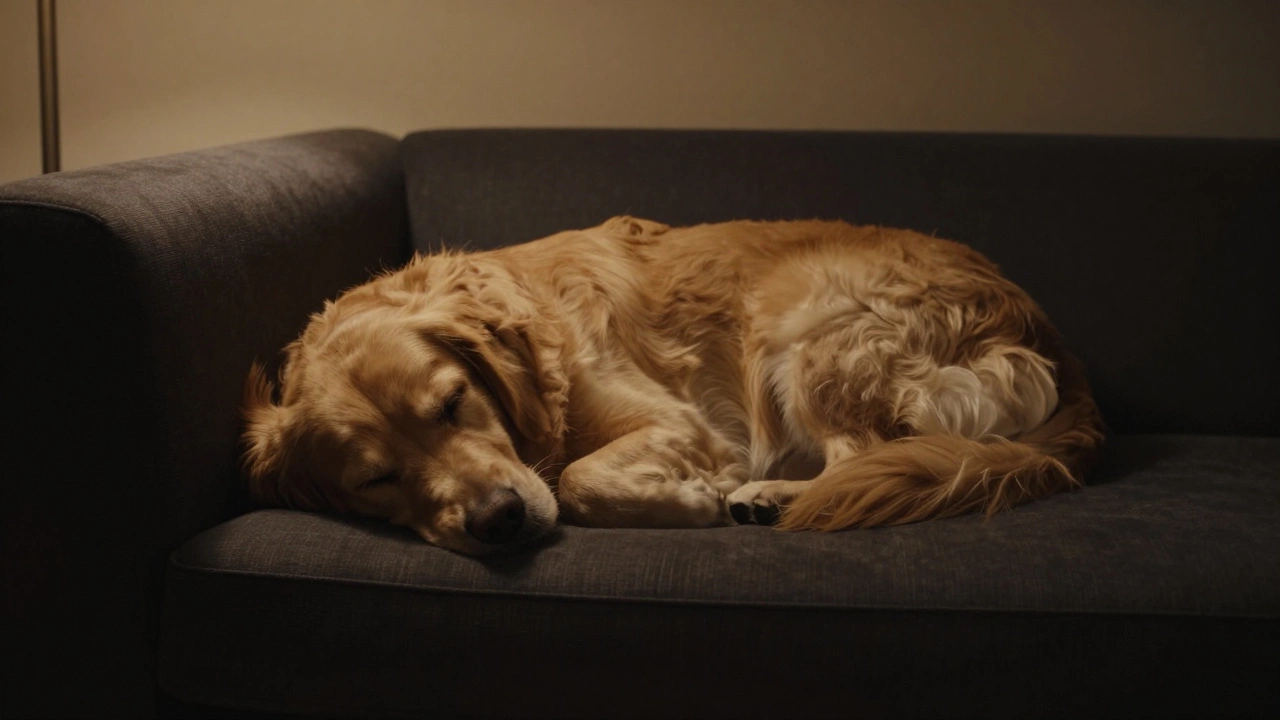
You walk into the living room at night. The lights are off. There’s a soft snoring sound coming from the corner. Your dog is fast asleep on their dog bed, completely undisturbed by the darkness. You might wonder: do dogs actually like sleeping in the dark? Or are they just tolerating it because they’re exhausted?
The short answer is yes-most dogs prefer sleeping in the dark. It isn’t just a habit; it’s hardwired into their biology. Understanding why can help you choose the right environment and gear for your pet’s health.
Dogs are descendants of wolves, animals that evolved to rest in dens. A den is naturally dark, enclosed, and quiet. This instinct drives many modern pets to seek out similar conditions. When you provide a comfortable dog bed that offers security and warmth, you’re tapping into that ancient survival mechanism. The dark helps them feel hidden and safe, which lowers stress levels and improves sleep quality.
The Science Behind Canine Sleep Cycles
To understand why darkness matters, we need to look at how dogs process light. Unlike humans, who rely heavily on visual cues for circadian rhythms, dogs have a different relationship with light. They see less color but have better motion detection in low light. However, bright artificial light can disrupt their natural sleep-wake cycle.
Melatonin plays a huge role here. Just like in humans, melatonin production in dogs increases when it gets dark. This hormone regulates sleep patterns. If your home is filled with bright LED strips or streetlights streaming through windows all night, your dog might produce less melatonin. This can lead to restless nights or early morning waking.
Studies on canine behavior suggest that consistent darkness signals the body that it’s time to rest. Without this signal, dogs may experience fragmented sleep. Fragmented sleep means they aren’t getting enough deep REM cycles, which are crucial for memory consolidation and physical recovery. So, keeping the bedroom or sleeping area dim isn’t just about aesthetics-it’s about physiology.
Anxiety and the Need for Security
For many dogs, especially those with separation anxiety or noise phobias, darkness provides a sense of enclosure. Think about how you feel in a crowded, brightly lit room versus a quiet, dimly lit one. For a dog, the difference is even more pronounced. Darkness reduces visual stimuli. Fewer things to see means fewer things to worry about.
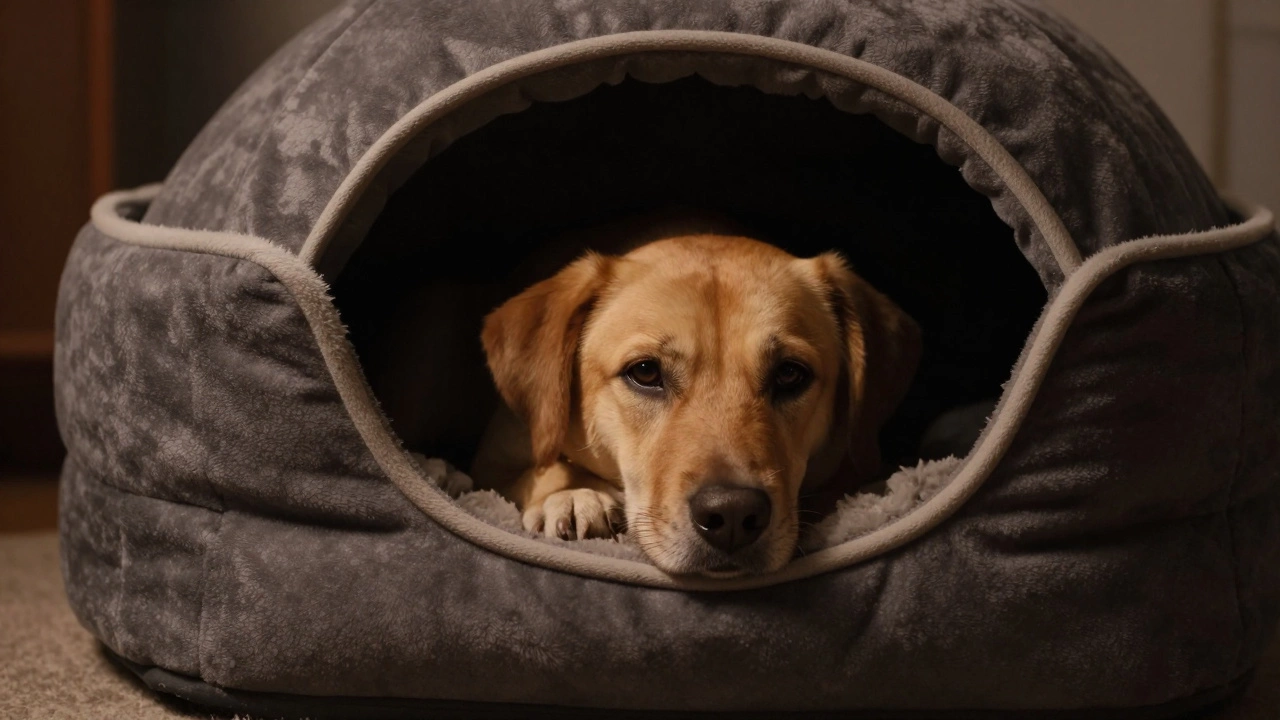
This is where the type of dog bed becomes critical. Open mats offer little protection. If your dog is anxious, they might benefit from a bolster bed or a cave bed. These designs create a semi-enclosed space. The high sides block peripheral vision, effectively creating a "dark zone" even if the room isn’t pitch black. This mimics the feeling of being tucked away in a den.
I’ve seen this firsthand with rescue dogs. Many arrive with heightened alertness. They scan every shadow. Providing a covered bed in a dark corner often leads to the first truly relaxed sleep they’ve had in months. The combination of reduced light and physical boundaries tells their brain: "You are safe. You don’t need to guard anything right now."
Choosing the Right Bed for Dark Environments
If you know your dog likes the dark, your choice of bedding should support that preference. Not all beds are created equal. Some materials reflect light, while others absorb it. Some shapes expose the dog, while others hide them.
Here is a breakdown of common bed types and how they interact with low-light environments:
| Bed Type | Darkness Enhancement | Best For | Material Consideration |
|---|---|---|---|
| Bolster Bed | High (blocks side light) | Anxious dogs, curlers | Fleece or velvet absorbs light |
| Cave/Cocoon Bed | Very High (creates enclosure) | Nervous dogs, puppies | Soft, non-reflective fabric |
| Orthopedic Flat Mat | Low (exposed) | Arthritic dogs, sprawlers | Memory foam core |
| Donut Bed | Medium (partial barrier) | Curlers, general use | Plush rim |
Notice the emphasis on material. Shiny vinyl or plastic covers can reflect moonlight or hallway lights, breaking the illusion of darkness. Opt for matte fabrics like cotton, microfiber, or fleece. These materials absorb ambient light, making the interior of the bed darker than the surrounding room. This subtle contrast helps your dog feel more secluded.
Placement Matters More Than You Think
Even the best orthopedic dog bed won’t work if it’s placed under a bright ceiling fan or next to a glowing TV screen. Location is key. Look for corners of the room that are naturally shielded from direct light sources. Avoid placing the bed near windows with heavy street traffic unless you use blackout curtains.
In my home in Wellington, I keep the main lights off after dusk. We use small, warm-toned nightlights only when necessary. My dog’s bed is positioned against a wall, away from the door. This placement minimizes movement detection. Dogs have excellent night vision, so any flickering light or moving shadow can trigger their alert system. By choosing a quiet, dark spot, you remove unnecessary triggers.
If you share a bedroom, consider whether your bedside lamp stays on. Even a small amount of light can be enough to keep a sensitive dog partially awake. Try switching to a red-spectrum nightlight. Red light has less impact on melatonin production than blue or white light. It’s a small change that can make a big difference in your dog’s sleep depth.
Signs Your Dog Isn’t Getting Enough Dark Rest
How do you know if your dog is struggling with too much light? Watch for these behavioral cues:
- Pacing at night: If your dog walks around the house instead of settling down, they might be overstimulated by light or noise.
- Restlessness in bed: Constant shifting, pawing, or digging suggests discomfort or inability to relax.
- Early waking: Waking up before dawn consistently could indicate disrupted circadian rhythms.
- Increased anxiety: Whining or panting when the lights go out might seem counterintuitive, but it often stems from insecurity rather than fear of the dark itself.
If you notice these signs, start by adjusting the lighting. Dimmer switches are a great investment. They allow you to gradually reduce brightness as bedtime approaches. Pair this with a properly designed bed, and you’ll likely see an improvement in your dog’s calmness within a few days.
Special Considerations for Senior Dogs
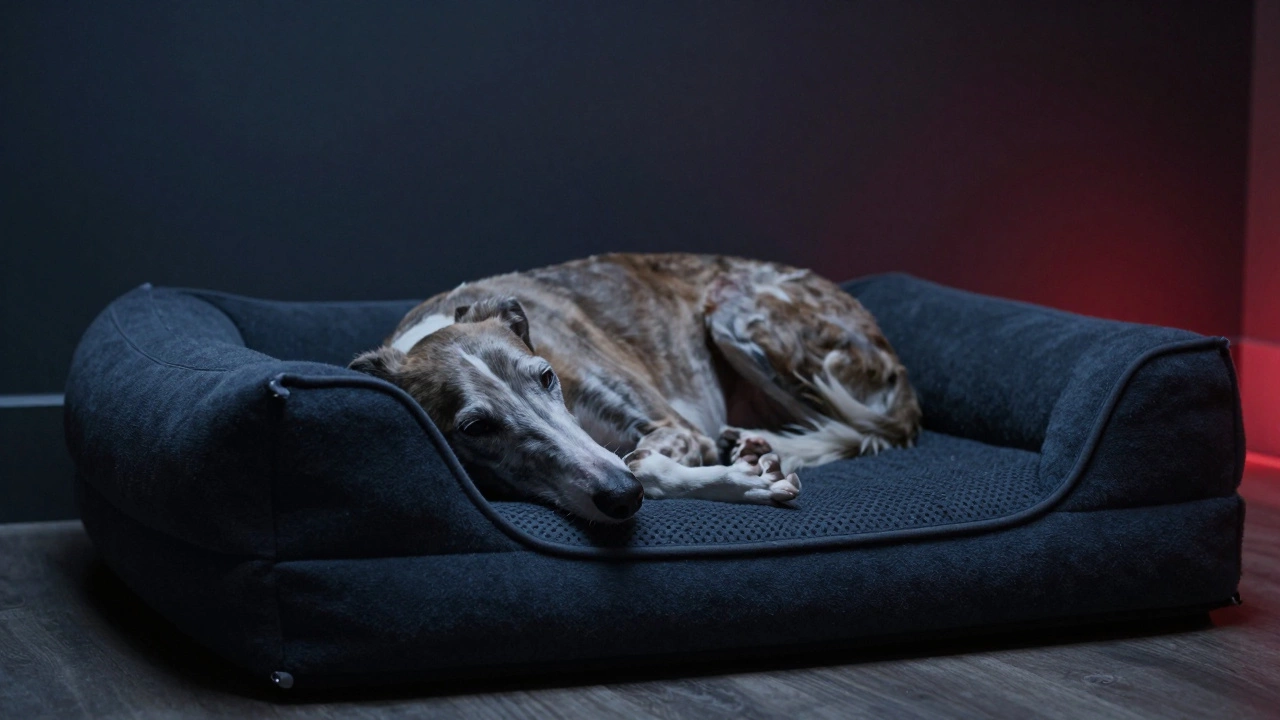
Older dogs face unique challenges. Their eyes deteriorate over time, leading to cataracts or lens sclerosis. This makes bright lights painful or disorienting. For senior dogs, a dark environment isn’t just preferred-it’s often necessary for comfort.
A memory foam dog bed is ideal here. It supports joints while providing a stable surface. Combine this with a bolster design to help them orient themselves. In the dark, they can’t rely on sight to find their bed. Familiar scents and tactile boundaries become their guides. Ensure the bed doesn’t slip on hardwood floors. A non-skid bottom keeps the bed in place, giving your senior dog confidence to settle down without worrying about sliding.
Also, consider temperature regulation. Older dogs often lose the ability to regulate body heat efficiently. A dark room tends to be cooler. Make sure the bed retains enough warmth without overheating. Washable covers made of breathable fabrics strike the right balance.
Creating a Routine Around Darkness
Dogs thrive on routine. Associating darkness with sleep helps reinforce healthy habits. Start winding down activities an hour before bed. Turn off harsh overhead lights. Switch to lamps or turn off lights entirely if possible. Feed your dog dinner during this wind-down period. Digestion promotes relaxation, and the timing aligns with their natural drop in energy.
Avoid vigorous play or training sessions late at night. These activities raise adrenaline levels, which counteract the calming effects of darkness. Instead, opt for gentle petting or quiet chewing on a treat. This signals that the day is ending and it’s time to rest.
Consistency is key. If you sometimes leave bright lights on and other times keep it dark, your dog won’t form a strong association. Stick to a schedule. Over time, your dog will begin to anticipate the dark and prepare for sleep proactively. This proactive behavior reduces anxiety and leads to deeper, more restorative rest.
FAQ: Common Questions About Dog Sleep and Darkness
Do dogs get scared of the dark?
Most dogs do not fear the dark itself. In fact, many find it comforting due to their den instincts. However, some dogs may associate darkness with isolation or unfamiliar sounds. If your dog seems anxious, ensure they have a secure bed and a consistent routine to build confidence.
Should I leave a nightlight on for my dog?
It depends on your dog’s sensitivity. Most dogs sleep better in complete darkness. If you must use a light, choose a red-spectrum bulb placed far from the bed. Avoid blue or white lights, as they suppress melatonin production and disrupt sleep cycles.
What is the best dog bed for anxious sleepers?
A cave bed or a high-bolster bed is ideal for anxious sleepers. These designs create an enclosed space that blocks visual stimuli and provides a sense of security. Look for matte, non-reflective fabrics to enhance the dark, cozy atmosphere inside the bed.
Does darkness improve dog health?
Yes, adequate darkness supports healthy melatonin production, which regulates sleep and boosts immune function. Consistent dark sleep periods help reduce stress hormones like cortisol, leading to better overall mental and physical health for your dog.
Can old dogs see in the dark?
Senior dogs often experience vision decline, including difficulty seeing in low light. While they still have better night vision than humans, cataracts or cloudy lenses can impair clarity. Using familiar scents and textured beds helps them navigate safely in the dark.