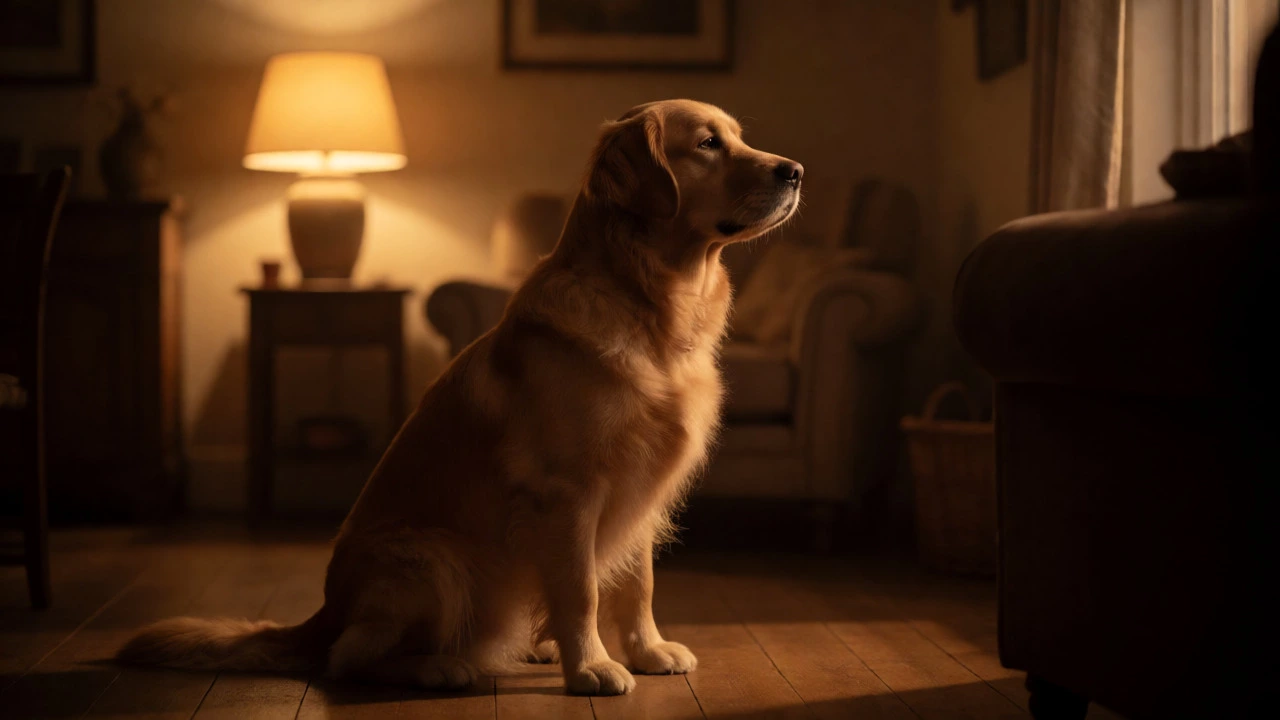
Canine Bedtime Readiness Checker
Does your dog know it's bedtime? Use this checker to evaluate your evening routine against key biological and environmental cues. Answer the questions below to get a readiness score and personalized tips.
1. Routine Consistency
2. Lighting Cues
3. Energy Management
4. Physical Needs
5. Sleep Environment
6. Age & Health Factor
Bedtime Readiness Score
0%You’ve just brushed your teeth, dimmed the lights, and shuffled toward bed. Suddenly, your dog is at your feet, whining or pacing. It feels like they’re demanding a midnight walk, but are they actually aware that it’s time to sleep? The short answer is yes, but not for the reasons you might think. Dogs do not read clocks or check their smartphones. Instead, they rely on a complex mix of internal biological rhythms and external environmental cues to understand when the day ends and rest begins.
If you’ve ever wondered why your pup suddenly gets the "zoomies" right as you put on pajamas, or why they sigh contentedly the moment you get under the covers, you’re noticing their response to these signals. Understanding how dogs perceive bedtime helps you create a smoother evening routine, reduce anxiety, and ensure both you and your furry friend get quality rest. This is especially crucial if you travel with your dog, as maintaining consistent sleep cues can make hotel stays far less stressful.
The Science Behind Canine Circadian Rhythms
At the core of your dog’s awareness of night is their circadian rhythm. Like humans, dogs possess an internal body clock that regulates sleep-wake cycles over a roughly 24-hour period. This biological mechanism responds primarily to light exposure. As daylight fades, your dog’s brain releases melatonin, a hormone that signals the body to prepare for rest. Conversely, morning light suppresses melatonin and triggers cortisol production, waking them up.
However, domestication has shifted this natural rhythm. Wolves are often crepuscular (active at dawn and dusk), but many modern dogs have adapted to human schedules. If you consistently go to bed at 10 PM, your dog’s circadian rhythm adjusts to align with yours. They aren’t just copying you; their biology literally changes to match your lifestyle. This synchronization explains why a dog left alone in a dark house might sleep all day and stay awake all night-they haven’t had the social cues to anchor their rhythm to a human schedule.
Environmental Cues That Signal Bedtime
While biology sets the stage, your actions direct the play. Dogs are masters of observation. They notice patterns long before we realize we’ve established them. Think about what happens in your home every evening. Do you turn off the main overhead lights? Do you change into specific clothes? Do you close the blinds?
These small behaviors become powerful predictors. For a dog, the click of the lamp switch isn’t just noise; it’s a command that says, “The active part of the day is over.” Research into animal behavior suggests that consistency is key here. If you vary your routine-staying up late on weekends, for example-you confuse the signal. Your dog looks for a reliable pattern. When that pattern breaks, they may exhibit restless behavior because the “end of day” marker is missing.
| Cue Type | Specific Action | Dog’s Interpretation |
|---|---|---|
| Lighting | Dimming lamps or turning off overheads | “It is nighttime; energy levels should drop.” |
| Sound | TV volume lowering, silence falling | “Human activity is decreasing; safe to settle.” |
| Smell | Applying night cream or brushing teeth | “Distinct scent associated with sleep routine.” |
| Movement | Picking up toys, closing doors | “Playtime is officially over.” |
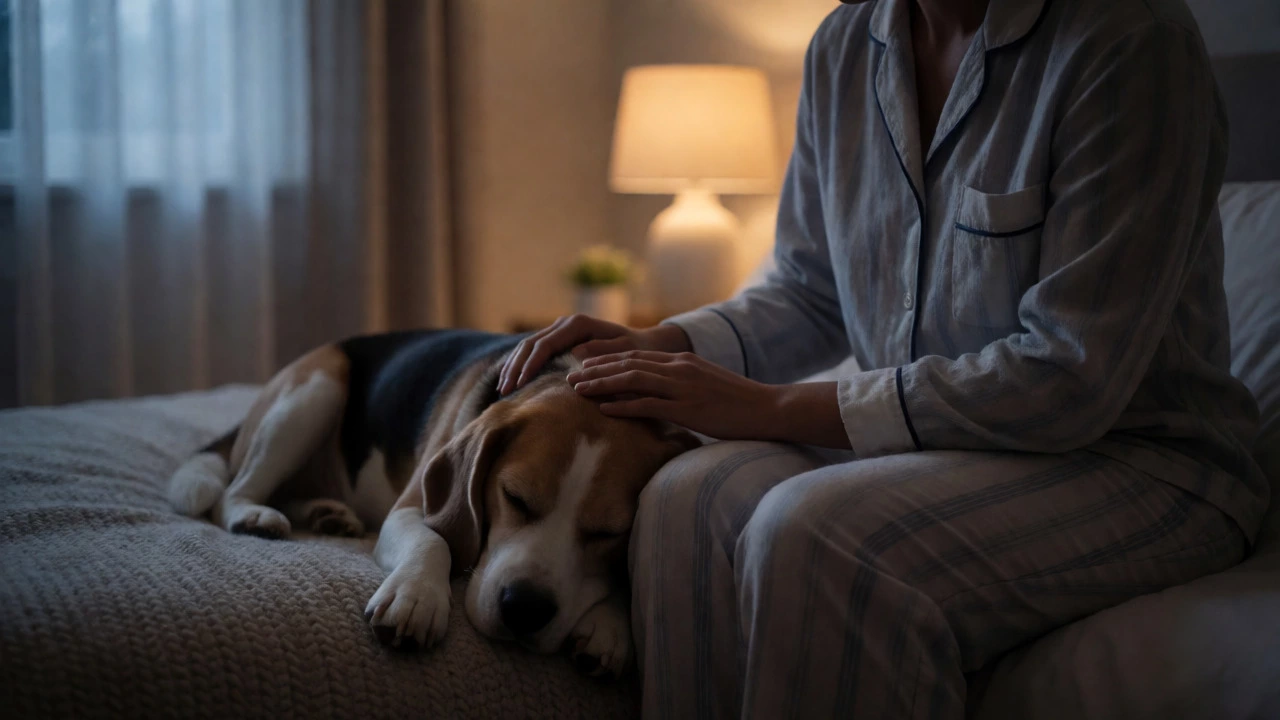
Social Bonding and Mirroring Behavior
Dogs are pack animals by nature. In the wild, the pack sleeps together for protection and warmth. Domesticated dogs view their human family as their pack. Consequently, they feel a strong instinct to synchronize their activity with the leader of the pack-you. If you are moving around, they feel compelled to be alert. If you settle down, they feel safe to relax.
This mirroring effect is profound. Have you noticed that your dog seems more anxious if you are stressed before bed? Their ability to detect subtle shifts in your tone and body language means they pick up on your pre-sleep tension. Conversely, if you engage in calm, low-energy interactions before bed, your dog is likely to mirror that calmness. This is why a frantic game of fetch right before lights-out often backfires. You want to wind down, not wind up.
In New Zealand, where many people enjoy early starts, this synchronization is particularly evident. Dogs whose owners wake up at 6 AM tend to be ready to rise well before sunrise, anticipating the first meal and walk. The social bond acts as a timer. They don’t know it’s 10 PM; they know you are putting on pyjamas, which equals sleep.
How Age and Health Impact Sleep Awareness
Not all dogs process bedtime cues the same way. Puppies, adults, and seniors have vastly different sleep needs and cognitive abilities regarding time perception.
Puppies need significantly more sleep than adult dogs-often 18 to 20 hours a day. However, they lack the bladder control and self-regulation to hold it through the night without interruption. They know it’s bedtime because you put them in their crate, but they may wake up frequently due to physical needs rather than a misunderstanding of the schedule.
Adult dogs generally sleep 12 to 14 hours. They are best equipped to understand and adhere to a strict bedtime routine. Senior dogs, however, face challenges. Cognitive decline, similar to dementia in humans, can disrupt their sense of time and place. A senior dog might pace at night not because they don’t know it’s bedtime, but because they are confused about where they are or why they woke up. Joint pain also plays a role; if getting comfortable is painful, they may resist settling down, appearing unaware of the sleep cue.

Troubleshooting Nighttime Restlessness
If your dog doesn’t seem to recognize bedtime, or if they become hyperactive when you try to sleep, you need to audit your evening routine. Often, the issue isn’t that they don’t know it’s bedtime-it’s that the transition was too abrupt or incomplete.
- Check Exercise Levels: A tired dog is a sleepy dog. If your evening walk was short or lacked mental stimulation, they may still have pent-up energy. Try incorporating sniffing games or puzzle feeders in the evening, which tire dogs out mentally without over-exciting them physically.
- Evaluate Lighting: Ensure the house gradually dims. Sudden darkness can be disorienting. Use warm, low-level lighting for the last hour before bed.
- Consistency Check: Are you going to bed at wildly different times? Irregularity confuses the circadian rhythm. Aim for a window of no more than 30 minutes variance.
- Separation Anxiety: If your dog whines only when you leave the room, it might be separation anxiety rather than confusion about bedtime. Leaving a piece of clothing with your scent can help bridge the gap.
For those traveling with pets, such as during dog-friendly holidays, maintaining these cues is vital. Bringing your dog’s familiar blanket or using a portable white noise machine can replicate the home environment, helping them recognize that despite the new location, it is still time to sleep.
Creating a Predictable Wind-Down Routine
To help your dog clearly understand when bedtime arrives, establish a ritual. This doesn’t need to be complicated, but it must be consistent. Start 30 to 60 minutes before your desired sleep time.
- The Final Potty Break: Always end the day with a bathroom trip. This prevents urgent wakes-ups later.
- Low-Key Interaction: Spend quiet time together. Read a book while your dog rests nearby. Avoid high-pitched voices or rapid movements.
- Designated Sleep Spot: Guide them to their bed or crate. Use a specific verbal cue, like “Bed” or “Night,” paired with a treat once they settle.
- Positive Association: Make the bed a happy place. Occasionally toss a long-lasting chew there so they associate the spot with comfort and reward, not isolation.
Over time, the mere act of starting step one will trigger the relaxation response in your dog. They learn that the sequence leads to rest. This predictability reduces anxiety and makes the household run smoother. Remember, patience is key. Changing established habits takes weeks, not days. Stick with it, and you’ll find your dog greeting bedtime with a yawn instead of a whine.
Why does my dog get crazy right before bed?
This phenomenon, often called the "zoomies," usually happens because the dog has excess energy that wasn't burned off during the day. Alternatively, it can be a reaction to the sudden shift in household energy. If the owner rushes to finish tasks, the dog picks up on the urgency and mirrors that high arousal state. Implementing a calmer, slower wind-down period can help mitigate this burst of energy.
Can dogs tell time accurately?
Dogs do not understand time in terms of hours and minutes like humans do. Instead, they rely on their circadian rhythms and environmental cues. They can anticipate events based on past experiences and internal biological clocks. For example, they know it is near feeding time because their stomach growsls empty or because the sun hits the kitchen floor in a specific way.
Should I let my dog sleep in my bed?
This depends entirely on your preference and your dog's behavior. Sleeping together can strengthen bonds and provide warmth, which aids sleep for both species. However, if your dog snores loudly, moves excessively, or suffers from separation anxiety that worsens with constant proximity, it might disrupt your rest. Consistency is more important than location; wherever they sleep, ensure the routine leading up to it is calm.
How does daylight saving time affect dog bedtime?
Daylight saving changes can temporarily disrupt a dog's schedule because their internal clock is tied to sunlight. When the clock jumps forward or backward, their biological rhythm lags behind. To help them adjust, shift their meals and walks by 15 minutes each day leading up to the change. This gradual adjustment helps realign their circadian rhythm with the new solar time.
Why does my senior dog pace at night?
Nighttime pacing in senior dogs is often linked to canine cognitive dysfunction or arthritis. Cognitive issues can cause confusion about day and night, while joint pain makes it difficult to find a comfortable sleeping position. Consult a veterinarian to rule out medical causes. Providing orthopedic bedding and keeping the bedroom temperature cool can sometimes alleviate discomfort-induced restlessness.