Dog Gear Safety Checker
Answer the questions below to get a personalized recommendation for your dog's walking setup.
Recommendation
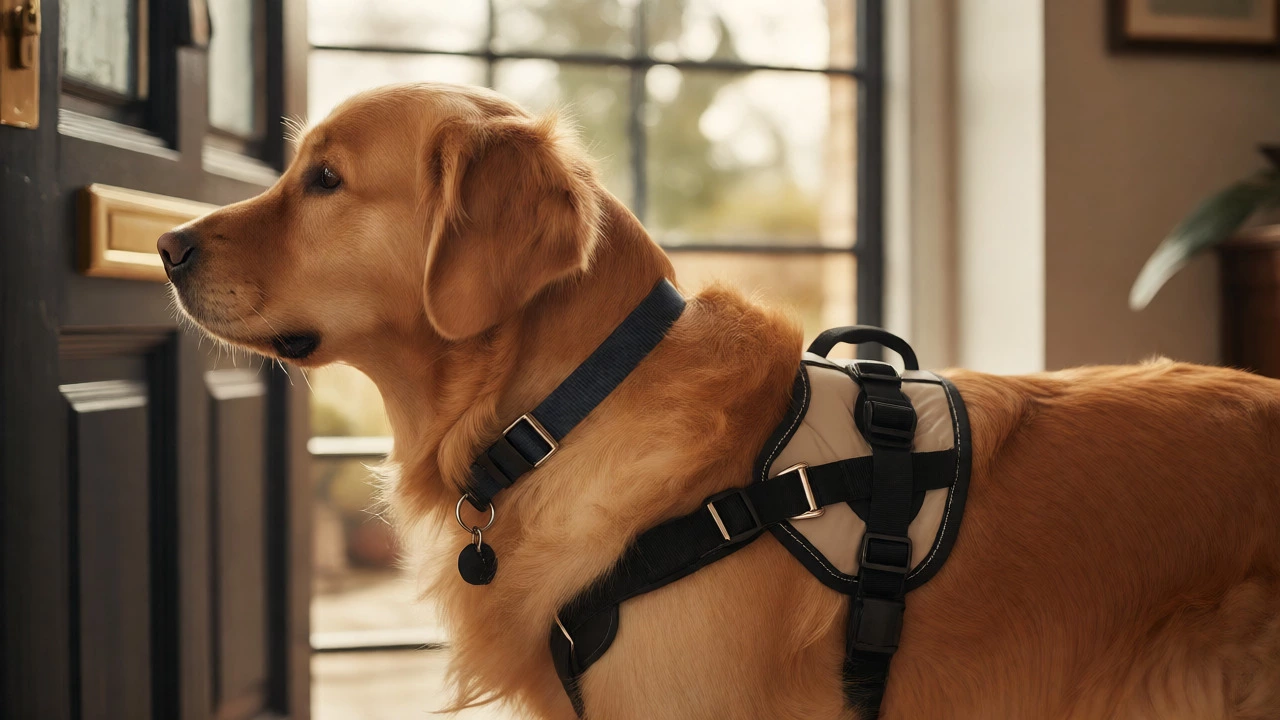
You’re standing at the door, leash in hand, looking at your dog. You’ve got a collar around their neck and a harness buckled over their back. It feels like belt-and-braces insurance, right? But is it actually helping, or are you just adding clutter that could hurt your pup?
This isn’t just about aesthetics. The decision to use both depends entirely on your dog’s behavior, health, and where you walk them. For most dogs, one is enough. But for some, using both simultaneously is the only way to keep everyone safe.
The Quick Verdict: Do You Need Both?
Before we get into the weeds, here is the short answer so you can get on with your day.
- No, if: Your dog walks nicely, doesn’t pull hard, has no neck issues, and you aren’t in high-traffic areas where they might slip out.
- Yes, if: Your dog is an escape artist (slips collars), pulls violently (needs harness control but needs collar for ID), has tracheal collapse (needs harness support but wants collar for tags), or you are walking in dangerous areas (double-clipping prevents total loss).
Think of it this way: The harness controls the body; the collar holds the identity. Mixing them requires care to avoid chafing or confusion.
Why People Use Both (The "Double Clip" Method)
In professional dog handling and search-and-rescue work, attaching two leashes-one to the collar, one to the harness-is common. Why? Redundancy. If a car backfires and your dog bolts, having two points of contact means you have twice the chance to stop them before they disappear into traffic.
But for the average pet owner, the reason is usually simpler: ID tags. Many owners hate putting tags on a harness because they jingle, catch on branches, or look messy. So they keep the collar on for the name and phone number, while using the harness for the actual walking leverage.
If this is your setup, you need to be careful. A loose collar rubbing against a tight harness strap can cause painful hotspots, especially under the armpits and on the neck.
When a Collar Alone Isn’t Enough
Some breeds are notorious for slipping out of standard flat collars. Greyhounds, Whippets, and other sighthounds have narrow heads relative to their necks. They can back out of a collar in seconds if spooked. For these dogs, a martingale collar or a full harness is mandatory.
Then there are the pullers. If your dog drags you down the street, a collar puts immense pressure on their thyroid gland and windpipe. Veterinary studies consistently show that front-clip harnesses reduce pulling force by up to 50% compared to rear-clip collars. But if you remove the collar entirely, you lose the place to hang your license tag.
So, you keep the collar on for the tag, but clip the leash to the harness. This hybrid approach works well, provided the collar is fitted correctly. It should sit snugly-two fingers’ width between the collar and the neck-so it doesn’t slide down into the shoulders where the harness straps sit.
Risks of Wearing Both Simultaneously
It’s not all sunshine and rainbows. Here is what goes wrong when you double up.
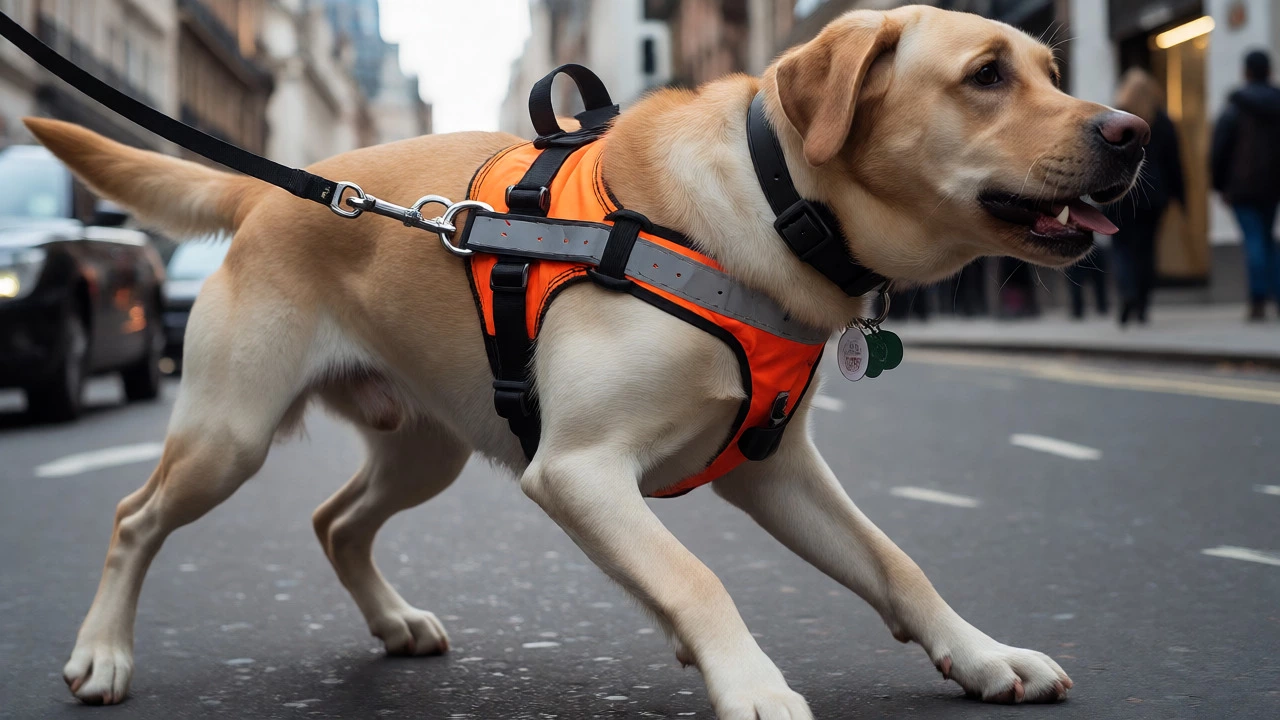
Chafing and Skin Irritation: Friction is the enemy. If the harness chest plate rubs against the collar buckle, or if the harness shoulder straps pinch the collar material, your dog’s skin will suffer. Look for redness or hair loss behind the ears and under the forelegs.
Confusion During Training: Dogs learn through association. If you sometimes clip the leash to the collar and other times to the harness, your dog may not understand the cue for "walk." Consistency matters. Pick one primary point of attachment for walking and stick to it.
Snagging Hazards: In bushy areas (like many trails in Wellington!), a dangling collar tag or a loose collar loop can catch on low-hanging branches. If your dog panics and runs forward, the snagged collar can choke them, while the harness remains free. This creates a dangerous torque on the neck.
How to Safely Combine Collar and Harness
If you decide to wear both, follow these rules to keep your dog comfortable.
- Fit the Harness First: Put the harness on before the collar. This ensures the collar sits above the harness’s top strap, not underneath it. The collar should rest high on the neck, just below the ears.
- Check for Pinch Points: Run your fingers along the edges where the two items meet. If you feel any hard plastic or metal from the collar pressing into the fabric of the harness, adjust the fit.
- Use Breakaway Features: If your dog wears the collar indoors or unsupervised, ensure it’s a breakaway collar. You don’t want them getting hung up on a crate bar while wearing a heavy walking harness.
- Clip Leash to Harness Only: Unless you are in a high-risk area requiring double-leashing, attach the leash solely to the D-ring on the harness. Let the collar serve purely as an ID holder.
Special Cases: Puppies and Senior Dogs
Puppies are clumsy and curious. Their coats are soft, and their skin is thin. Adding two layers of gear can be overwhelming. Most puppies do best with a lightweight, padded harness alone. Wait until they are six months old and fully grown before introducing a heavier collar setup.
Senior dogs often have arthritis or muscle weakness. A bulky harness can restrict movement if it’s too stiff. Conversely, a collar might press on sensitive cervical vertebrae. For older pups, consult your vet. Often, a simple, soft fleece-lined collar is sufficient for gentle walks, freeing them from the hassle of stepping into a harness every time.
Choosing the Right Gear for Your Lifestyle
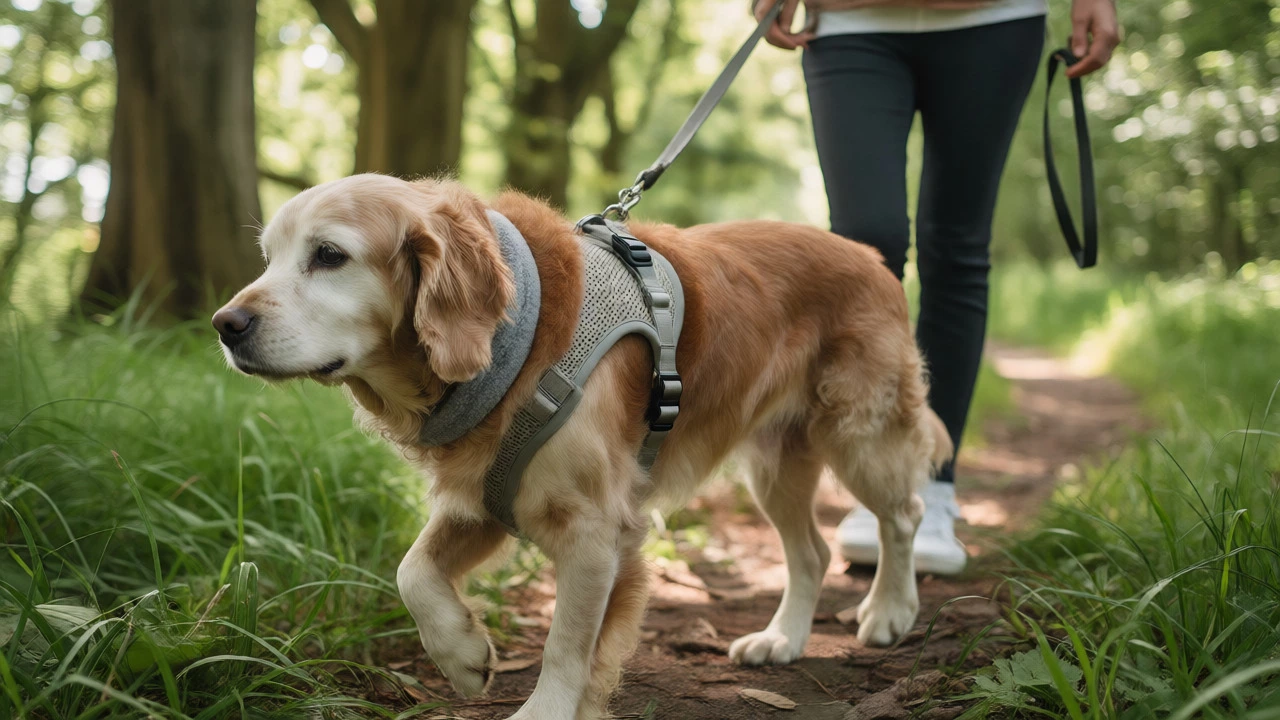
Your environment dictates your gear. Living in a city with busy roads? Prioritize visibility and secure attachment. A reflective harness with a sturdy handle on top gives you control. Add a slim, rubberized collar for silent ID tags.
Living near beaches or parks? Sand gets everywhere. Nylon collars absorb salt and grit, leading to odor and irritation. Opt for waterproof biothane collars and easy-to-wipe neoprene harnesses. These materials dry quickly and resist rust on metal parts.
| Feature | Collar Only | Harness Only | Both Together |
|---|---|---|---|
| Control Level | Low to Medium | High | Maximum (if double clipped) |
| Neck Safety | Risk of Tracheal Damage | Safe | Safe (if fitted correctly) |
| ID Visibility | Excellent | Poor (requires patch/pocket) | Excellent |
| Comfort | Good for calm dogs | Best for active dogs | Variable (risk of chafing) |
| Escape Prevention | Poor for sighthounds | Very Good | Best |
Signs Your Setup Needs Changing
Watch your dog. They’ll tell you if something is wrong. Shaking their head vigorously after putting on gear? The collar might be too tight or the tags too noisy. Scratching at the armpits? The harness is pinching. Refusing to move when you pick up the leash? They might associate the specific combination of gear with pain or discomfort.
Regular checks are vital. Once a month, inspect the stitching on both items. Check for frayed edges on the collar that could cut the skin. Ensure the harness buckles still click securely. Gear fails silently until it doesn’t.
Frequently Asked Questions
Is it cruel to put a collar on a dog that already wears a harness?
No, it is not cruel if fitted properly. Many dogs wear both without issue. However, if the collar causes chafing, restricts breathing, or annoys the dog, it should be removed. Always prioritize comfort over convenience.
Can my dog sleep with both a collar and a harness on?
Generally, no. Remove the harness for sleeping to allow skin ventilation and prevent matting. Keep the collar on only if necessary for ID, and consider switching to a breakaway collar for indoor wear to prevent snagging hazards.
Which is better for pulling: collar or harness?
A front-clip harness is significantly better for managing pullers. It redirects the dog’s momentum sideways rather than backward, reducing strain on the neck and making it harder for the dog to generate forward power.
Do I need a license tag on my harness?
In many places, including New Zealand, a visible ID tag is legally required or strongly recommended. If your harness doesn’t have a dedicated pocket or ring for tags, you must use a collar to display your registration details.
What kind of collar is safest to wear with a harness?
A flat, adjustable nylon or biothane collar is safest. Avoid prong or choke chains, as they can dig into the skin when pressed against the harness straps. Rubberized tags are quieter and less likely to snag than metal ones.