Dog Fish Oil Selector
Select Options to Begin
Choose your dog's health goal and diet to see which oil is safer and more effective for them.
Quick Comparison Guide
| Feature | Salmon Oil | Cod Liver Oil |
|---|---|---|
| Best For | Inflammation, Skin, Joints, Heart | Immune Support, Bone Health, Vitamins A/D |
| Vitamin A Risk | Negligible | High (Risk of Toxicity) |
| Dosing Safety | High Margin (Hard to overdose) | Low Margin (Strict dosing required) |
| Taste/Palatability | Milder, generally accepted | Stronger, fishy aftertaste |
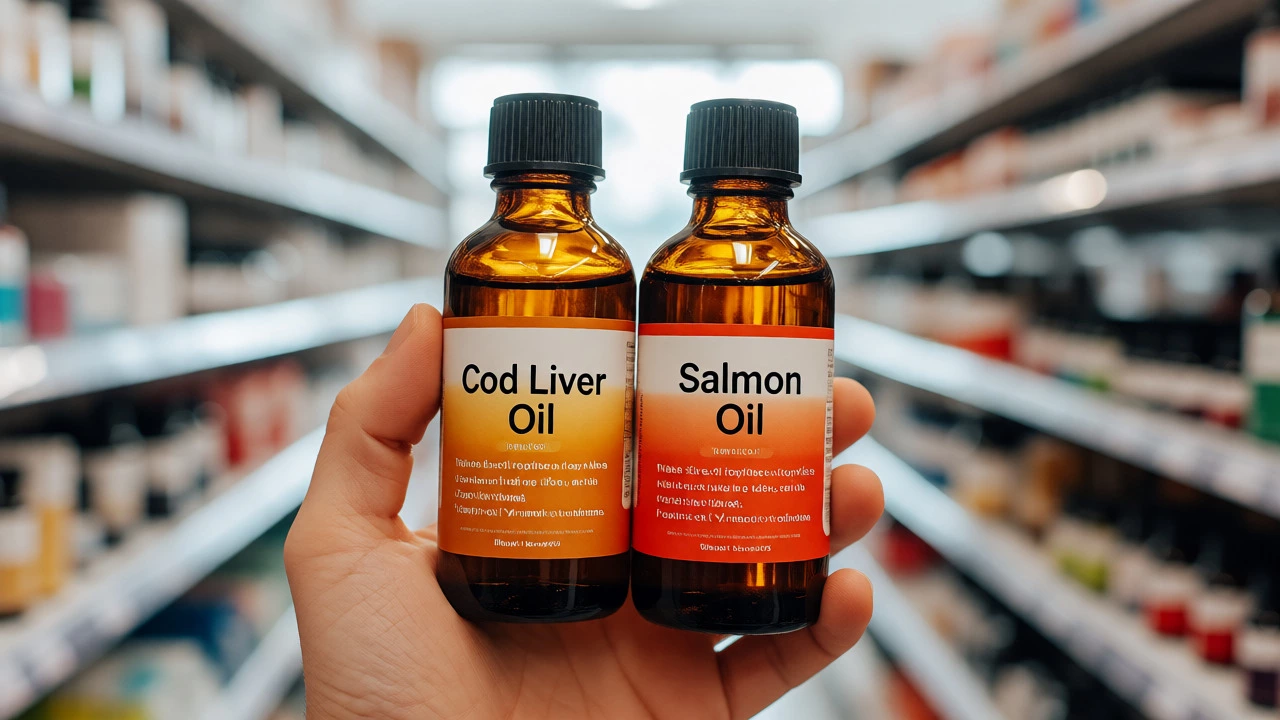
You’re standing in the pet aisle, holding two bottles that look almost identical. One says Cod Liver Oil, the other says Salmon Oil. Your vet mentioned omega-3s for your dog’s itchy skin or stiff joints, but didn’t specify which bottle to grab. It’s a common dilemma. Both are fish oils. Both promise shiny coats and happy hips. But they aren’t interchangeable. Choosing the wrong one could mean missing out on specific benefits-or worse, accidentally overdosing your pup on Vitamin A.
Here is the quick reality check before we break down the science:
- Salmon Oil is generally safer for daily, long-term use because it lacks high levels of pre-formed Vitamin A.
- Cod Liver Oil is a potent source of Vitamins A and D, making it better for immune support but risky if overused.
- EPA and DHA (the active anti-inflammatory ingredients) are often more concentrated in high-quality Salmon Oil.
- Purity matters: Wild-caught, molecularly distilled options reduce toxin exposure for both types.
The Core Difference: What’s Actually Inside?
To understand which is better, you have to look at what each oil is made from. They come from different parts of the fish, which changes their chemical profile entirely.
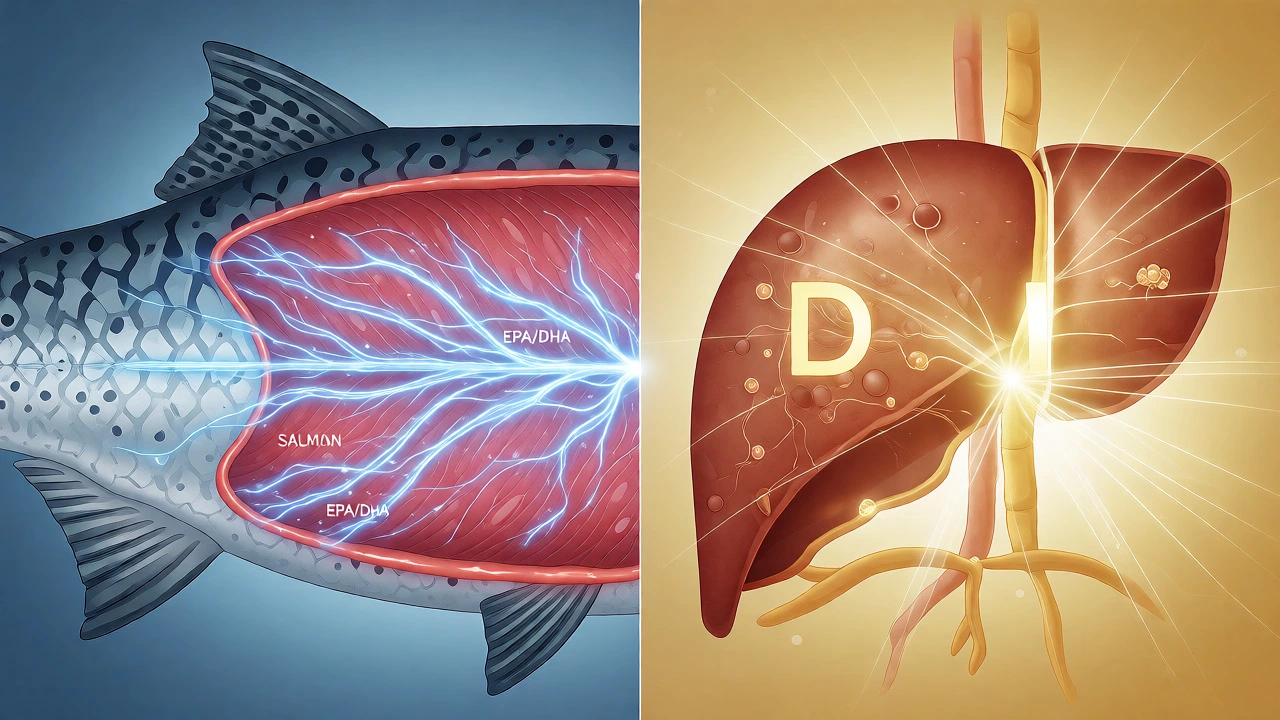
Salmon Oil is extracted from the tissue of the salmon fish itself. It is primarily a delivery system for Omega-3 fatty acids, specifically EPA (eicosapentaenoic acid) and DHA (docosahexaenoic acid). These are the heavy lifters when it comes to reducing inflammation. Think of Salmon Oil as a pure anti-inflammatory supplement. It doesn’t typically contain significant amounts of vitamins unless they are added back in during processing.
Cod Liver Oil is exactly what it sounds like: oil extracted from the liver of the codfish. Because the liver is where fat-soluble vitamins are stored, this oil is naturally rich in Vitamin A and Vitamin D. While it does contain Omega-3s, its claim to fame is often its vitamin content. Historically, humans took cod liver oil to prevent rickets (Vitamin D deficiency) and night blindness (Vitamin A deficiency). For dogs, this dual-action makes it unique, but also potentially dangerous if dosed incorrectly.
This distinction is critical. If you give your dog too much Salmon Oil, you might get an upset stomach. If you give your dog too much Cod Liver Oil, you risk hypervitaminosis A, which can cause bone pain, joint stiffness, and even liver damage. That alone shifts the "better" title depending on your dog's current health status.
Omega-3 Content: The Anti-Inflammatory Battle
If your primary goal is managing arthritis, hip dysplasia, or severe allergies, you are looking for EPA and DHA. This is where Salmon Oil often wins the popularity contest among holistic vets.
Studies suggest that therapeutic doses of Omega-3s need to be quite high to see real results in dogs. You aren't just sprinkling a drop on kibble; you're aiming for a specific milligram count per kilogram of body weight. High-quality Salmon Oil products usually list the exact amount of EPA and DHA on the label. Cod Liver Oil, while containing these fats, often has a lower concentration relative to its volume because so much space is taken up by the vitamins.
Consider a dog with seasonal allergies. The itchiness is caused by inflammatory pathways in the skin. EPA competes with arachidonic acid (an Omega-6 fatty acid that promotes inflammation) in the body. By flooding the system with EPA from Salmon Oil, you essentially crowd out the inflammation triggers. Doing this with Cod Liver Oil requires giving such a large volume that you inadvertently flood the dog with Vitamin A, leading to toxicity before you reach therapeutic Omega-3 levels.
| Feature | Salmon Oil | Cod Liver Oil |
|---|---|---|
| Primary Source | Fish tissue (muscle) | Fish liver |
| Key Active Ingredients | EPA & DHA (Omega-3s) | Vitamins A & D + some Omega-3s |
| Vitamin A Content | Negligible (unless fortified) | Very High (Natural) |
| Vitamin D Content | Low/Negligible | Moderate to High (Natural) |
| Safety Margin | High (hard to overdose on Omega-3s) | Low (risk of Vitamin A toxicity) |
| Best For | Inflammation, skin, coat, heart health | Immune support, bone health, winter immunity |
When Cod Liver Oil Makes Sense
So, is Cod Liver Oil useless? Absolutely not. It has its place in a dog’s diet, particularly in specific scenarios. In New Zealand, where winters can be damp and cold, Vitamin D synthesis from sunlight can be limited for indoor dogs. Cod Liver Oil provides a natural boost of Vitamin D, which supports calcium absorption and bone strength.
Furthermore, Vitamin A plays a crucial role in maintaining healthy mucous membranes. This includes the lining of the gut, the respiratory tract, and the eyes. If your dog suffers from recurring ear infections or dry eyes, the Vitamin A in Cod Liver Oil might offer targeted relief that plain Salmon Oil cannot provide.
However, moderation is key. Many commercial dog foods are already fortified with Vitamins A and D. Adding Cod Liver Oil on top of a complete and balanced kibble can easily push your dog into the "too much" zone. Always check the guaranteed analysis on your dog food bag. If it lists high levels of Vitamin A, skip the Cod Liver Oil and stick to Salmon Oil.
Why Salmon Oil is Often the Safer Default
For most pet owners, Salmon Oil is the "set it and forget it" option. Because it lacks the high vitamin load, you can adjust the dosage based on your dog's weight and condition without worrying about hitting a toxic threshold for vitamins.
Let’s say you have a 30kg Labrador with early-stage arthritis. You want to start him on Omega-3s. With Salmon Oil, you can safely increase the dose to achieve anti-inflammatory effects. If he gets a little soft stool, you know it’s likely just the fat content, and you can scale back slightly. With Cod Liver Oil, increasing the dose to match the same Omega-3 intake would multiply his Vitamin A intake exponentially. The side effects wouldn’t just be digestive; they could be systemic and serious.
Additionally, Salmon Oil tends to have a milder smell and taste compared to Cod Liver Oil, which can sometimes have a strong, "fishy" aftertaste that picky eaters reject. If your dog turns their nose up at the bowl, compliance drops, and the supplement becomes useless regardless of its potency.
Sourcing Matters: Purity and Toxins
Regardless of whether you choose Cod or Salmon, the source of the fish matters immensely. Fish absorb toxins from their environment, including mercury, PCBs, and dioxins. Larger, longer-lived fish tend to accumulate more of these contaminants.
Look for labels that specify "wild-caught" and "molecularly distilled." Molecular distillation is a process that separates the beneficial oils from the heavier metals and toxins. Farmed salmon can sometimes contain higher levels of antibiotics or pesticides, though regulations vary by country. In New Zealand, local sourcing or reputable international brands with third-party testing (like IFOS certification) are good indicators of quality.
Avoid oils that don’t list the source fish or the extraction method. If the label just says "Fish Oil," you’re taking a gamble on the species and purity. Salmon and Cod are generally considered safer choices than deep-sea predators like tuna or shark, which are notorious for mercury accumulation.
How to Introduce Either Oil to Your Dog
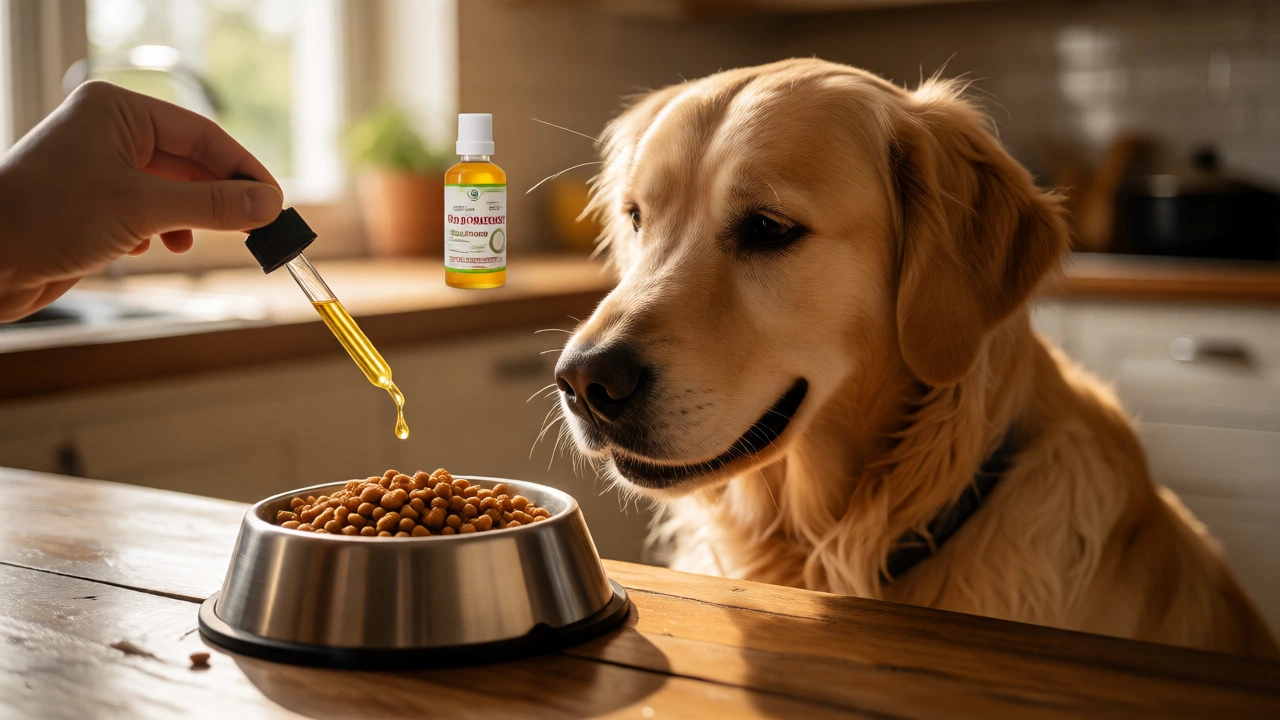
Don’t dump a full teaspoon into your dog’s bowl on day one. Fish oils are fats, and sudden increases in dietary fat can lead to pancreatitis or severe diarrhea, especially in sensitive breeds.
- Start Low: Begin with half the recommended dose for the first three days.
- Monitor Stool: Check for loose stools or gas. If present, maintain the lower dose for another week.
- Scale Up: Gradually increase to the full therapeutic dose over two weeks.
- Store Properly: Oils oxidize quickly. Keep them in the fridge once opened and discard if they smell rancid (sharp, paint-like odor).
Rancid oil isn’t just unpleasant; it’s pro-inflammatory. Feeding oxidized fish oil to a dog you’re trying to heal from inflammation is counterproductive. Buy smaller bottles if you have a small dog, so you finish them before they go bad.
The Verdict: Which Should You Buy?
If your dog is healthy and you want general wellness, shiny coat, and preventative care: Choose Salmon Oil. It’s safer, easier to dose, and focuses purely on the anti-inflammatory benefits of Omega-3s.
If your dog has specific deficiencies confirmed by a vet, lives in a low-sunlight area, or needs immune support during recovery: Consider Cod Liver Oil, but only under guidance. Be meticulous about calculating total Vitamin A intake from all sources.
For most modern pet owners feeding commercially prepared diets, Salmon Oil remains the superior choice due to its safety profile and targeted efficacy for the most common canine issues: skin allergies and joint pain.
Can I give my dog both cod liver oil and salmon oil?
Yes, but you must be careful with the total Vitamin A intake. Since Cod Liver Oil is high in Vitamin A and Salmon Oil is not, combining them allows you to get the vitamins from the Cod and the extra Omega-3s from the Salmon. However, calculate the total Vitamin A from your dog's food plus the Cod Liver Oil to ensure you aren't exceeding safe limits, typically around 1,000-5,000 IU per kg of body weight depending on the dog's size and health status.
Is krill oil better than salmon or cod liver oil for dogs?
Krill oil contains Omega-3s bound to phospholipids, which may improve absorption rates compared to the triglycerides found in Salmon and Cod oils. It also contains astaxanthin, a powerful antioxidant. However, Krill oil is significantly more expensive and often has lower concentrations of EPA/DHA per capsule. For most dogs, high-quality Salmon Oil offers the best cost-to-benefit ratio unless budget is not a concern and maximum absorption is the priority.
How do I know if my dog is getting enough omega-3s?
Visible signs include a shinier coat, reduced itching, improved mobility in older dogs, and softer stools (if previously constipated). For a precise measurement, veterinarians can perform blood tests to measure the Omega-3 Index, which reflects the percentage of EPA and DHA in red blood cell membranes. An ideal index for dogs is often cited as above 8-10%.
What happens if I give my dog too much cod liver oil?
The primary risk is Vitamin A toxicity (hypervitaminosis A). Symptoms include vomiting, diarrhea, bone pain, stiff joints, and lethargy. Long-term excess can lead to liver damage and skeletal abnormalities. Unlike water-soluble vitamins, Vitamin A is stored in the body, so it accumulates over time. Always follow the dosage instructions strictly and consult your vet if you plan to use it long-term.
Does cooking destroy the benefits of fish oil?
Yes, heat degrades Omega-3 fatty acids. Never add fish oil to hot food or cook it with the meat. Add it to cool or room-temperature food right before serving. This preserves the integrity of the EPA and DHA molecules, ensuring your dog gets the intended health benefits.