Puppy Peanut Butter Safety & Portion Calculator
Enter your puppy's weight and check any risky ingredients to see the recommended safe portion.
Recommended Daily Limit
Based on standard guidelines.
Caloric Impact
Approx. 0 kcal per day from PB.
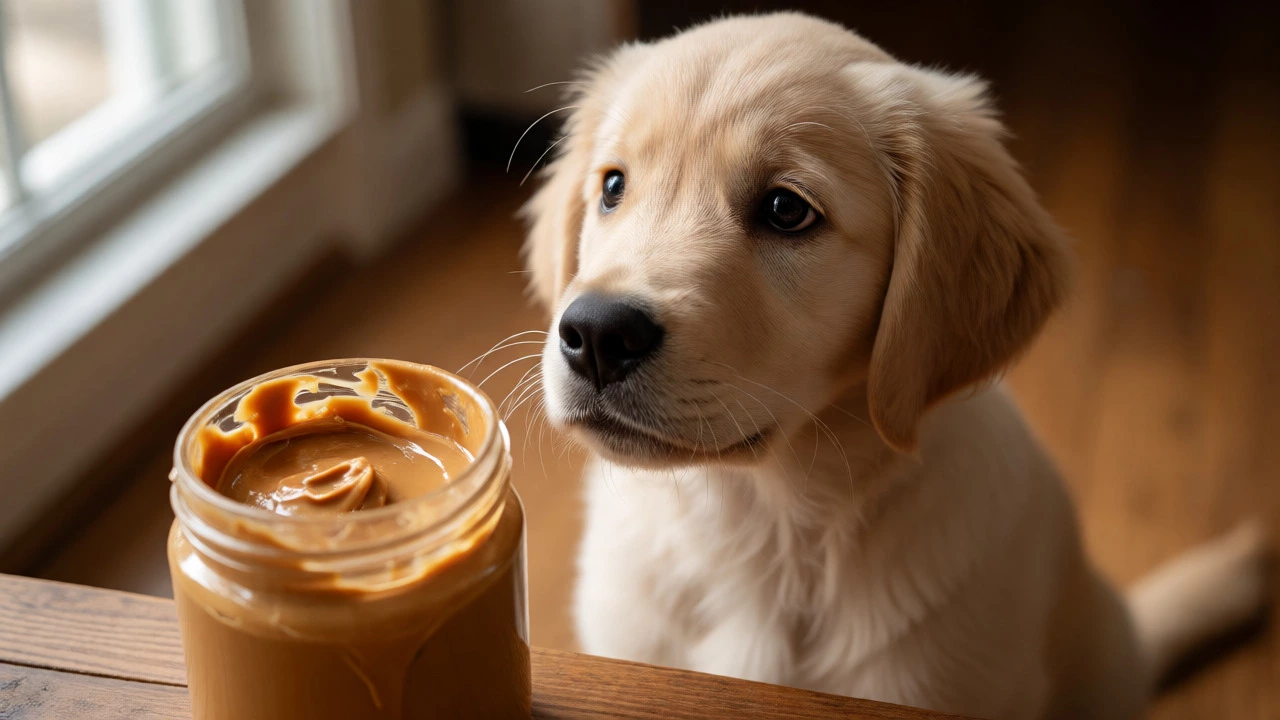
You’re sitting on the floor with a wriggling bundle of fur that just discovered its own tail. It looks at you with those big, pleading eyes, and you wonder: can I give this little guy a taste of my lunch? Specifically, that jar of creamy peanut butter in the pantry. It seems harmless enough-peanuts are nuts, right? But when it comes to puppies and human food, the answer isn’t a simple yes or no. It’s a yes, but only if you know exactly what’s inside the jar.
The Short Answer: Yes, But With Major Caveats
Most puppies can eat peanut butter, but not all peanut butter is created equal. The danger doesn’t lie in the peanuts themselves; it lies in the additives. While plain peanuts provide protein and healthy fats, many commercial brands sneak in sweeteners that are deadly to dogs. Before you scoop a teaspoon into your pup’s bowl, you need to become a label detective. This isn’t just about avoiding an upset stomach; it’s about preventing life-threatening conditions like hypoglycemia and liver failure caused by specific artificial sweeteners.
| Ingredient | Safety Status | Risk Level | Why It Matters |
|---|---|---|---|
| Xylitol (Birch Sugar) | Highly Toxic | Critical | Causes rapid insulin release, leading to hypoglycemia and liver failure. |
| Salt (Sodium) | Safe in Moderation | Low-Medium | Excess salt can cause dehydration and sodium ion poisoning. |
| Added Sugars/HFCS | Unhealthy | Medium | Contributes to obesity and dental issues without nutritional benefit. |
| Hydrogenated Oils | Avoid | Low-Medium | Promotes inflammation and poor digestion in young dogs. |
| Plain Peanuts | Safe | None | Provides protein, B vitamins, and Vitamin E. |
The Xylitol Trap: Why You Must Read Labels
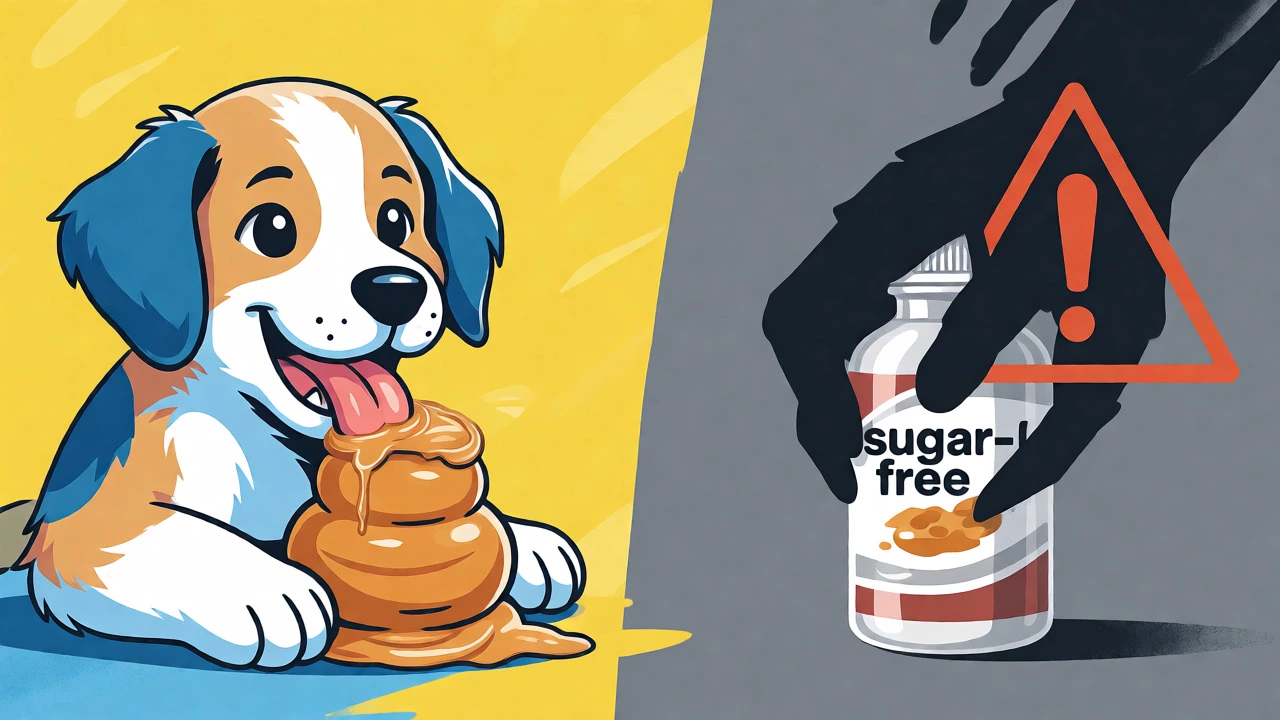
If there is one thing you take away from this article, let it be this: Xylitol is poison to dogs. Often labeled as "birch sugar" or listed under artificial sweeteners, xylitol is commonly found in "sugar-free," "low-calorie," or "diet" peanut butter brands. Unlike humans, who process xylitol safely, dogs absorb it rapidly into their bloodstream. This triggers a massive release of insulin, causing their blood sugar to crash dangerously low within 10 to 60 minutes.
The consequences aren't just a shaky feeling. High doses of xylitol can lead to acute liver necrosis, which means the liver tissue dies off. In New Zealand, where we import various US and Australian brands, this risk is real. Always check the ingredient list for the word "xylitol." If it’s there, put the jar back on the shelf. Your puppy’s liver will thank you.
Nutritional Benefits: What’s Actually Good About It?
So, why bother with peanut butter at all? Why not just stick to kibble? Well, when chosen correctly, peanut butter offers genuine health perks. It’s packed with Vitamin B and Vitamin E, which support skin health and immune function. It also contains heart-healthy monounsaturated fats and niacin.
For growing puppies, these nutrients can complement a balanced diet. However, peanut butter is calorie-dense. A single tablespoon can contain over 90 calories. For a small breed puppy, like a Chihuahua or a Jack Russell Terrier, that’s a significant chunk of their daily energy requirement. Think of it as a treat, not a meal replacement. Overfeeding leads to obesity, which puts extra stress on developing joints-a critical concern for large breeds like Labradors or German Shepherds during their growth phase.
Portion Control: How Much Is Too Much?
Figuring out the right amount depends entirely on your puppy’s size and age. There’s no one-size-fits-all spoon measure. Here is a practical rule of thumb based on weight:
- Tiny Breeds (under 5kg): Less than half a teaspoon per day.
- Small Breeds (5-10kg): Half a teaspoon to one full teaspoon.
- Medium Breeds (10-25kg): One to two teaspoons.
- Large Breeds (over 25kg): Up to one tablespoon, but keep it occasional.
Remember the 10% rule. Treats, including peanut butter, should never make up more than 10% of your puppy’s total daily caloric intake. If you’re using peanut butter to stuff a Kong toy, scrape out some of the fat from the top before serving to reduce the calorie count slightly. Also, consider the consistency. Chunky peanut butter might pose a choking hazard for very young puppies or fast eaters, so smooth varieties are generally safer.
Creative Ways to Serve Peanut Butter Safely
Giving a puppy a dollop of peanut butter straight from the jar is fun, but it’s messy and encourages begging. Instead, use it as a tool for enrichment and training. Here are three ways to serve it that add value beyond just a snack:
- The Kong Filler: Stuff a rubber Kong toy with a thin layer of peanut butter and freeze it. The cold soothes teething gums, and the challenge of licking it out keeps them busy for 15-20 minutes. This reduces destructive chewing on furniture.
- Medication Hider: If your vet prescribes pills, hide them in a tiny ball of peanut butter. Most dogs won’t notice the pill because the strong flavor masks it. Just ensure the pill isn’t crushed if it requires whole ingestion.
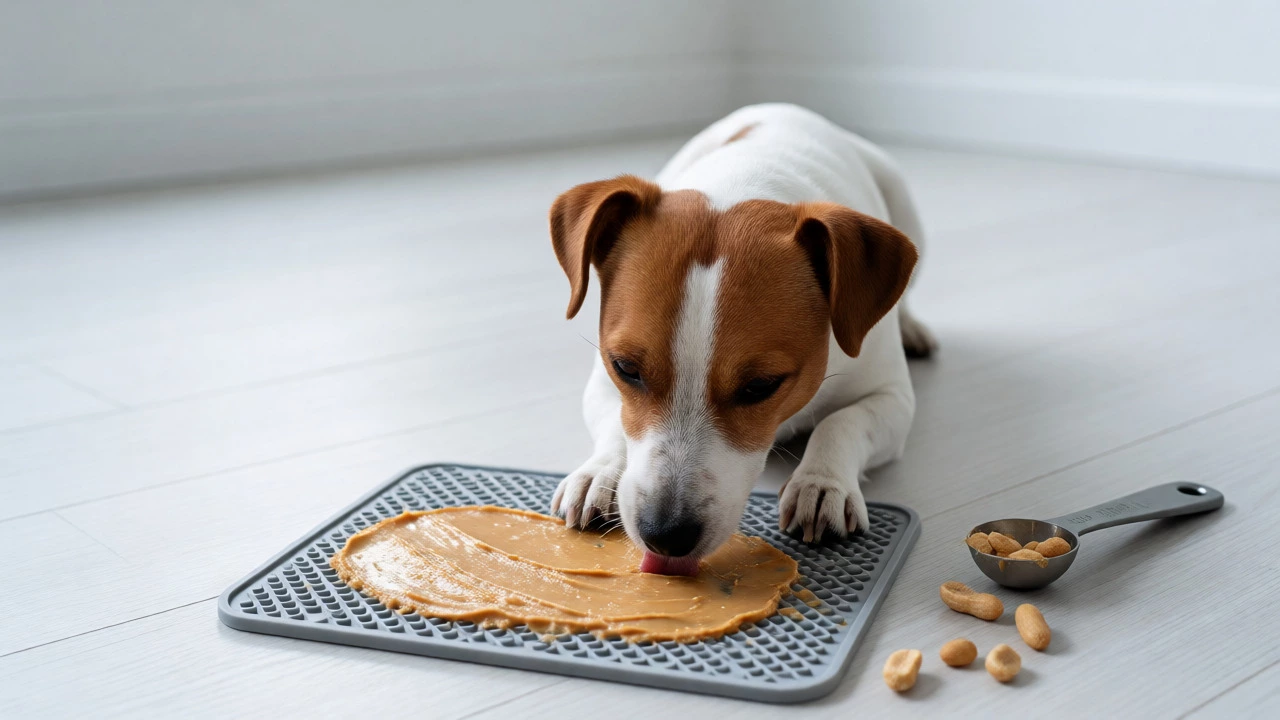
- Lick Mat Distraction: Spread a thin smear on a silicone lick mat. This promotes calm behavior and slows down eating. It’s particularly useful during grooming sessions or when visitors arrive, helping to lower anxiety levels.
When to Avoid Peanut Butter Completely
Not every puppy should have peanut butter. If your dog has a history of pancreatitis, avoid it entirely. Pancreatitis is an inflammation of the pancreas often triggered by high-fat foods. Since peanut butter is roughly 50% fat, it can trigger a flare-up, resulting in vomiting, diarrhea, and abdominal pain. Symptoms can appear within hours of consumption.
Additionally, watch for allergic reactions. While rare, some dogs are allergic to legumes (the family peanuts belong to). Signs include itching, hives, ear infections, or digestive upset. Introduce peanut butter slowly-one tiny lick-and observe your puppy for 24 hours. If they scratch excessively or get loose stools, skip it next time. There are plenty of other safe treats, like blueberries or carrot sticks, that offer similar engagement without the fat content.
Frequently Asked Questions
Is crunchy peanut butter better than smooth for puppies?
Smooth peanut butter is generally safer for young puppies. The small nut pieces in crunchy versions can be a choking hazard for smaller breeds or very young pups who haven't developed strong chewing skills yet. Once your puppy is older and eats carefully, crunchy is fine, provided there are no added sugars or xylitol.
What happens if my puppy eats peanut butter with xylitol?
This is a medical emergency. Xylitol causes a rapid drop in blood sugar (hypoglycemia) and can lead to liver failure. Symptoms include vomiting, weakness, lethargy, and seizures. If you suspect your puppy ate xylitol-containing peanut butter, contact your veterinarian immediately. Do not wait for symptoms to appear, as treatment is most effective early on.
Can I make homemade peanut butter for my puppy?
Yes, and it's often the healthiest option. Roast unsalted, dry-roasted peanuts and blend them in a food processor until smooth. You control the ingredients, ensuring no hidden salts, sugars, or hydrogenated oils. Store it in the fridge for up to two weeks to prevent rancidity.
How often can I give peanut butter to my puppy?
Treats should be occasional. Limit peanut butter to 2-3 times a week. Because it is high in fat and calories, daily feeding can quickly lead to weight gain, especially in less active indoor puppies. Balance it by reducing their main meal portion slightly on days you offer this treat.
Are there any other toxic ingredients in peanut butter besides xylitol?
While xylitol is the most dangerous, watch out for chocolate mixed into peanut butter (theobromine is toxic) and excessive salt. Some flavored varieties may contain macadamia nuts, which are also toxic to dogs. Always stick to plain, unflavored peanut butter to be safe.