Puppy Alone Time Calculator
Verdict
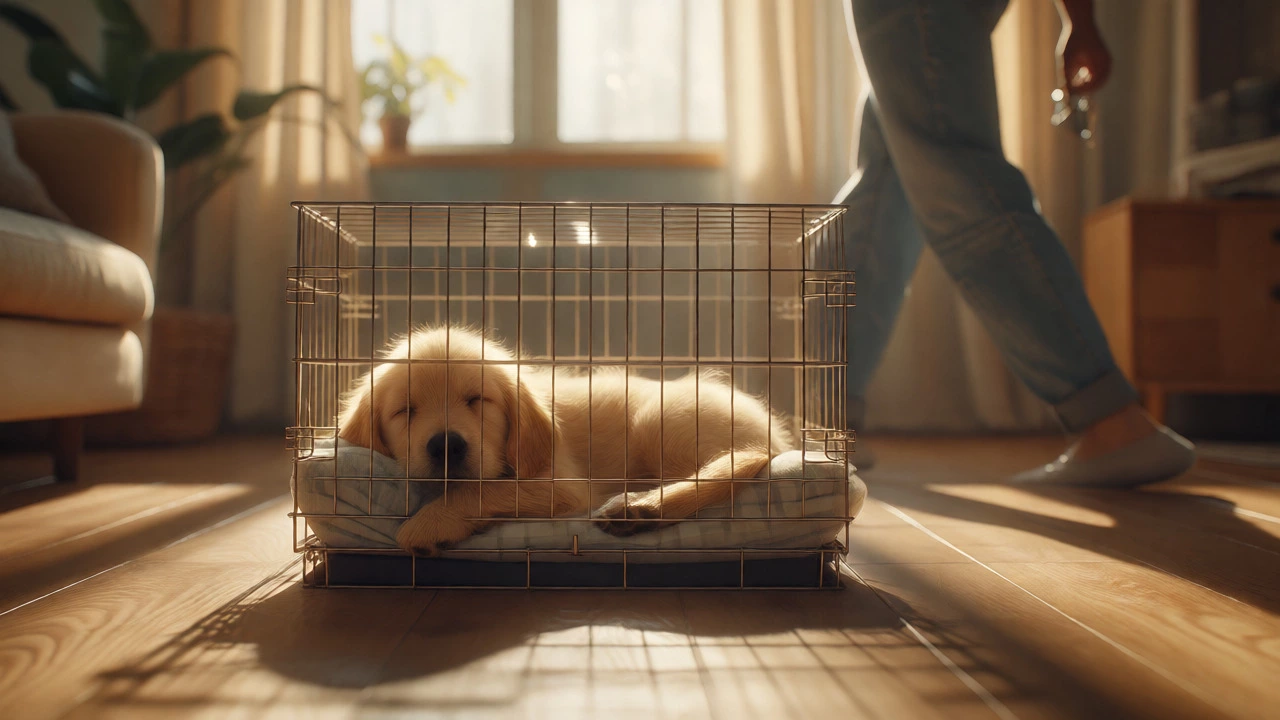
You’re staring at your clock. It’s 9:00 AM on a Monday. Your new puppy is asleep in its crate, and you have to leave for work until 5:30 PM. That’s eight hours of silence. Eight hours without supervision. Eight hours where one wrong move could mean a soaked carpet or a chewed-up shoe. You’re wondering if it’s cruel, if it’s safe, or if you’ve already made a mistake by bringing this tiny bundle of chaos into your life.
Here is the blunt truth: For most puppies, leaving them alone for eight hours straight is too long. But "too long" isn't a hard rule that applies to every dog in every situation. It depends entirely on age, bladder capacity, and how well you prepare the environment. If you ignore the biological limits of a young dog, you risk creating behavioral issues that are far harder to fix than finding a midday walker. Let’s break down exactly what happens during those eight hours and how you can make it work if you absolutely have to.
The Bladder Math: Why Age Matters More Than Time
The biggest hurdle isn’t loneliness; it’s biology. Puppies don’t have full control over their bladders until they mature. A common rule of thumb used by veterinarians is simple: a puppy can hold its urine for one hour per month of age, up to about six months old. So, an 8-week-old puppy (two months) can only hold it for about two hours. A four-month-old puppy can manage four hours. To last eight hours, you generally need a dog that is at least seven or eight months old, and even then, some breeds struggle longer.
If you force a three-month-old Labrador Retriever to wait eight hours, he physically cannot do it. He will have an accident. This isn’t stubbornness; it’s anatomy. When accidents happen repeatedly because the dog couldn’t help it, house training stalls. Worse, the puppy might start hiding to pee because they associate going inside with punishment, rather than just relief.
| Puppy Age | Max Hold Time (Hours) | Feasibility for 8-Hour Day |
|---|---|---|
| 8 Weeks (2 Months) | 1-2 | Impossible without breaks |
| 12 Weeks (3 Months) | 3 | Very Difficult |
| 4 Months | 4 | Challenging |
| 6 Months | 6 | Tight, risky |
| 8+ Months | 8+ | Manageable |
Boredom Is a Bigger Threat Than Loneliness
Once the bladder issue is managed, the next enemy is boredom. Puppies explore the world with their mouths. If left alone for eight hours with nothing to do, they will find entertainment. Often, that entertainment involves destroying something you love. Chewing is natural-it relieves teething pain and burns mental energy. But unchecked chewing leads to swallowed socks, destroyed furniture, and potential vet bills for intestinal blockages.
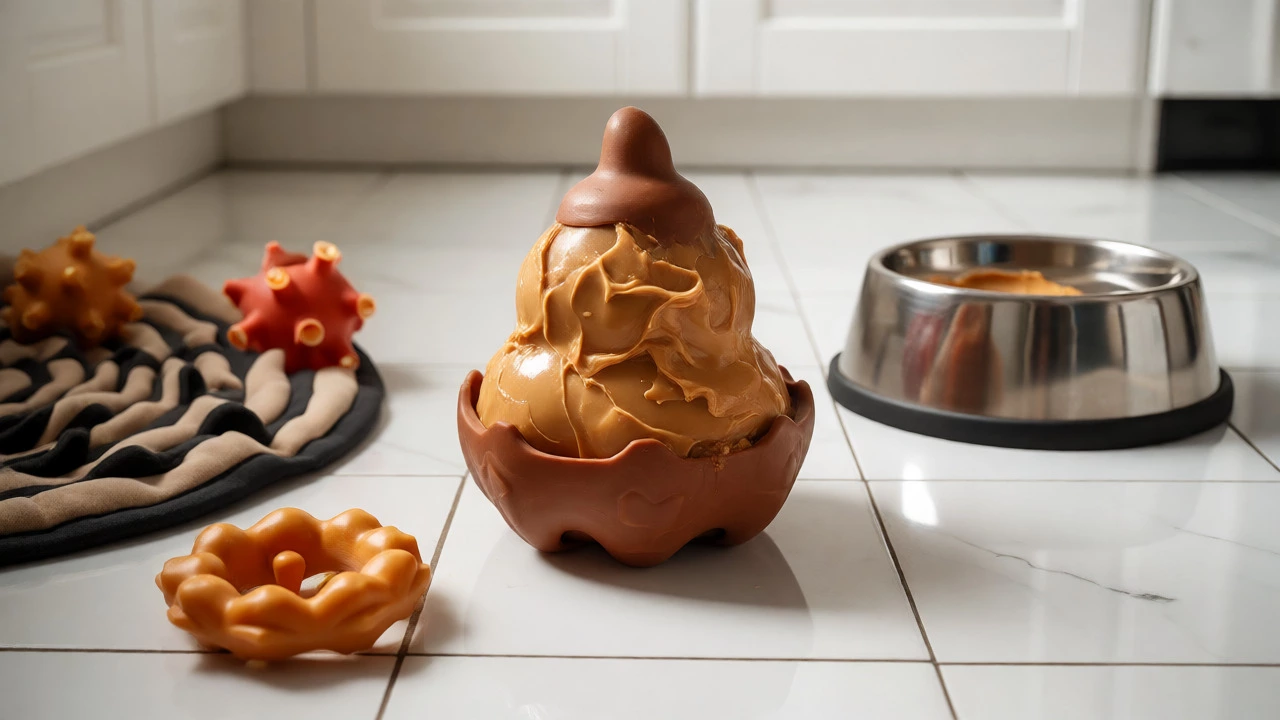
This is where high-quality puppy toys become essential tools, not just accessories. You aren’t buying toys to be nice; you’re buying them to prevent disaster. Standard rubber bones won’t cut it for an eight-hour stretch. You need engagement. Think about puzzle feeders like Kongs stuffed with frozen peanut butter, snuffle mats that encourage nose work, or durable chew toys designed for heavy jaws. These items keep the brain active. A tired mind is less likely to panic or destroy than a bored one.
Consider rotating your toys. If a puppy sees the same Kong every day, it loses novelty. Hide different items around the safe zone so the puppy has to "hunt" for them. This mimics natural foraging behavior and adds hours of low-stress activity.
The Crate vs. The Pen: Where Should They Stay?
Where the puppy spends those eight hours changes everything. Many owners rely on crates, thinking it keeps the dog safe. And it does, but only if the crate is sized correctly and the dog is comfortable in it. A crate should be just big enough for the puppy to stand, turn around, and lie down. If it’s too big, they’ll use one corner as a bathroom and the other as a bed, defeating the purpose of crate training.
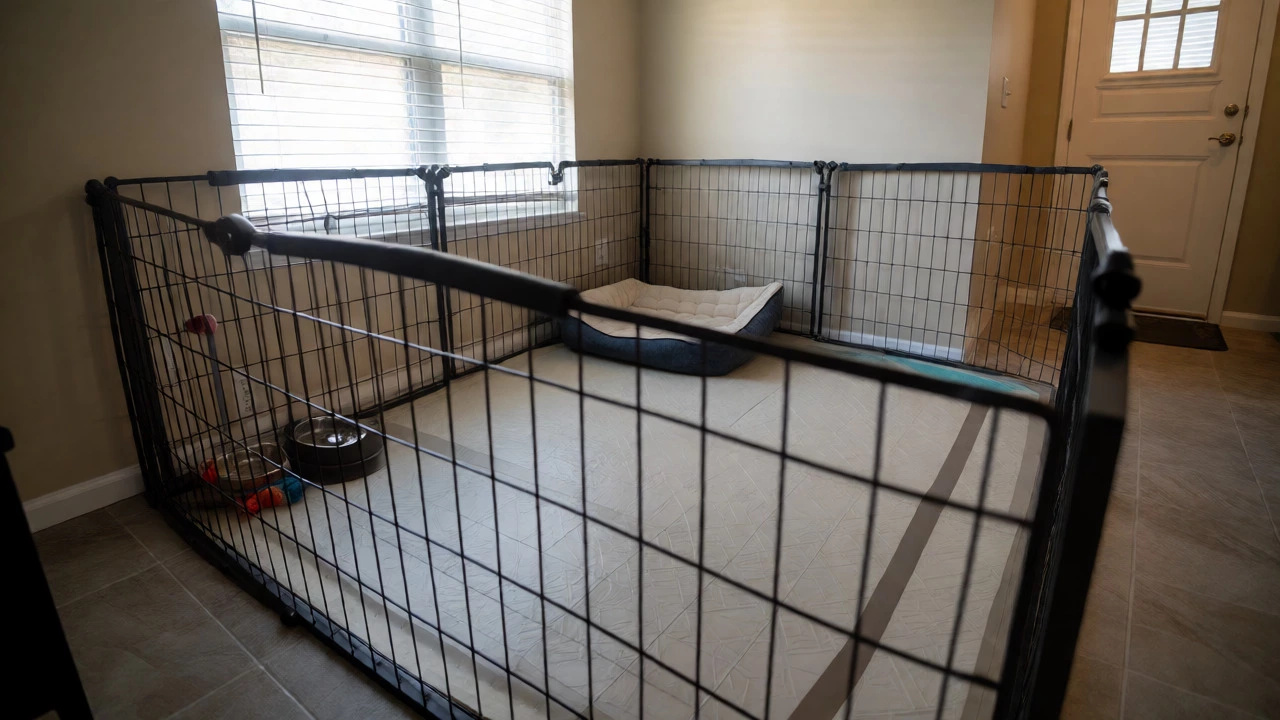
For an eight-hour absence, a crate might feel confining for a young pup. An exercise pen (x-pen) set up in a puppy-proofed room offers more freedom. You can place a water bowl, a bed, and several puppy toys inside. However, with a pen, you must accept that accidents might happen. If you choose the pen route, cover the floor with washable pads or vinyl flooring. Do not expect a pen-trained puppy to signal they need out if they haven’t been taught to ring a bell or scratch at a door yet.
Preparation Before You Walk Out the Door
Your success depends on what happens before you leave. If you drop a hyperactive puppy off and run, they will spend the first hour whining and pacing. You need to drain their physical energy first. Take them for a brisk walk or play a game of fetch for 15-20 minutes. A tired puppy is a quiet puppy.
After exercise, give them a final potty break immediately before you leave. Then, introduce their enrichment. Stuff a food-dispensing toy right before you exit. The act of licking and working for food releases endorphins and calms the nervous system. It creates a positive association with your departure. Instead of dreading the sound of your keys, the puppy starts anticipating the treat.
- Exercise: 15-20 minutes of active play or walking.
- Potty Break: Immediate elimination before departure.
- Enrichment: Frozen Kong or puzzle feeder provided at the moment of exit.
- Calm Exit: Ignore the puppy for 5 minutes before leaving; no dramatic goodbyes.
Mitigating Separation Anxiety
Some dogs handle solitude fine; others spiral into panic. Separation anxiety isn’t just crying; it’s drooling, scratching at doors, self-harm, and destructive chewing focused on exits. If your puppy shows these signs, eight hours alone is likely causing significant stress. In Wellington, where weather can shift rapidly, ensure your indoor temperature is stable. Extreme heat or cold adds physiological stress to psychological stress.
To combat anxiety, try desensitization. Pick up your keys, put them down, and sit on the couch. Do this ten times a day without leaving. Eventually, pick up the keys, walk to the door, and come back in. Make your departures boring. If you fuss over the puppy when you leave and greet them excitedly when you return, you reinforce the idea that your presence is a major event. Keep it neutral.
Background noise can also help. Leaving a radio on a talk station or a TV playing softly provides auditory company. Silence amplifies every creak of the house, which can spook a sensitive puppy. White noise machines are another option, masking sudden outdoor sounds like cars or neighbors that might trigger barking.
When Eight Hours Becomes Non-Negotiable
Sometimes, life doesn’t allow for flexibility. If you cannot change your schedule, you must change the setup. Hiring a dog walker for a midday break is the gold standard solution. Even a 15-minute visit allows the puppy to relieve itself, drink fresh water, and get social interaction. This single break resets the bladder clock and breaks up the monotony of the day.
If hiring someone isn’t feasible, consider a doggy daycare for part of the week. Alternatively, ask a neighbor or family member to check in. If none of these options exist, you might need to adjust expectations regarding house training speed. Expect setbacks. Be patient. Clean accidents with enzymatic cleaners to remove scent markers, otherwise, the puppy will return to the same spot.
Ultimately, asking "Can I leave a puppy alone for 8 hours?" is really asking "Am I prepared to support my puppy’s needs while I’m away?" For a young puppy, the answer is usually no, unless you provide intermediate care. For an older adolescent dog, the answer is yes, provided they are exercised, enriched, and safe. Don’t guess-observe your specific dog’s behavior. If they come home happy and healthy, you’re doing okay. If they seem distressed or have frequent accidents, you need to shorten that gap.
Is it cruel to leave a puppy alone for 8 hours?
It can be considered cruel for very young puppies (under 4 months) due to their inability to control their bladders and high need for socialization. For older puppies (6+ months), it is acceptable if their physical and mental needs are met through exercise and enrichment before and after the period.
What are the best toys to keep a puppy busy for 8 hours?
Durable chew toys like Nylabones, interactive puzzle feeders like Kongs stuffed with wet food or peanut butter, and snuffle mats are ideal. Rotate these items to maintain interest. Avoid small plush toys that can be easily shredded and swallowed.
How do I know if my puppy has separation anxiety?
Signs include excessive barking or howling that continues for hours, destructive behavior focused on doors or windows, drooling, panting, and refusal to eat treats left behind. Check security cameras or ask neighbors to listen for prolonged distress calls.
Should I leave water out for my puppy all day?
Yes, always leave fresh water available. Dehydration is dangerous. However, limit water intake slightly 1-2 hours before you leave to reduce the urgency of the bladder, but never withhold water completely for an 8-hour stretch.
Can I use a crate for 8 hours?
Only if the puppy is fully crate trained and comfortable. Most young puppies cannot physically hold their bladder for 8 hours, leading to them lying in waste within the crate, which hinders house training. Crates are better suited for shorter durations unless a midday break is provided.