
Dog Pumpkin Dosage Calculator
Find out exactly how much plain pumpkin puree you can safely feed your dog every day. Remember to consult your veterinarian before making significant dietary changes.
Why this amount?
You’re standing in the kitchen aisle, staring at a can of pumpkin puree, wondering if this orange tub is the secret weapon your dog’s digestive system needs. Maybe your pup has had a loose stool lately, or perhaps they’re just looking at you with those big eyes hoping for a snack. It’s a common question among pet owners: Can I give my dog pumpkin puree every day?
The short answer is yes, but with a massive "but." While pumpkin is a powerhouse of fiber and nutrients, treating it like candy will backfire. You need to understand the dosage, the type of pumpkin, and how it interacts with your dog’s specific health profile before making it a daily ritual.
Why Pumpkin Is Actually Good for Dogs
Pumpkin isn’t just a Halloween decoration; it’s a functional food. When we talk about canned pumpkin (specifically plain puree), we are talking about a concentrated source of soluble and insoluble fiber. This combination is what makes it effective for regulating bowel movements.
Think of fiber as a regulator. If your dog has diarrhea, the soluble fiber absorbs excess water in the gut, firming up the stool. If your dog is constipated, the bulk from the insoluble fiber helps move things along. Beyond digestion, pumpkin is packed with Vitamin A, which supports eye health and immune function, and potassium, which is crucial for muscle function.
It’s also low in calories. A cup of cooked pumpkin has roughly 50 calories, making it an excellent filler for weight-conscious dogs who act like they haven’t eaten in weeks.
The Critical Distinction: Puree vs. Pie Filling
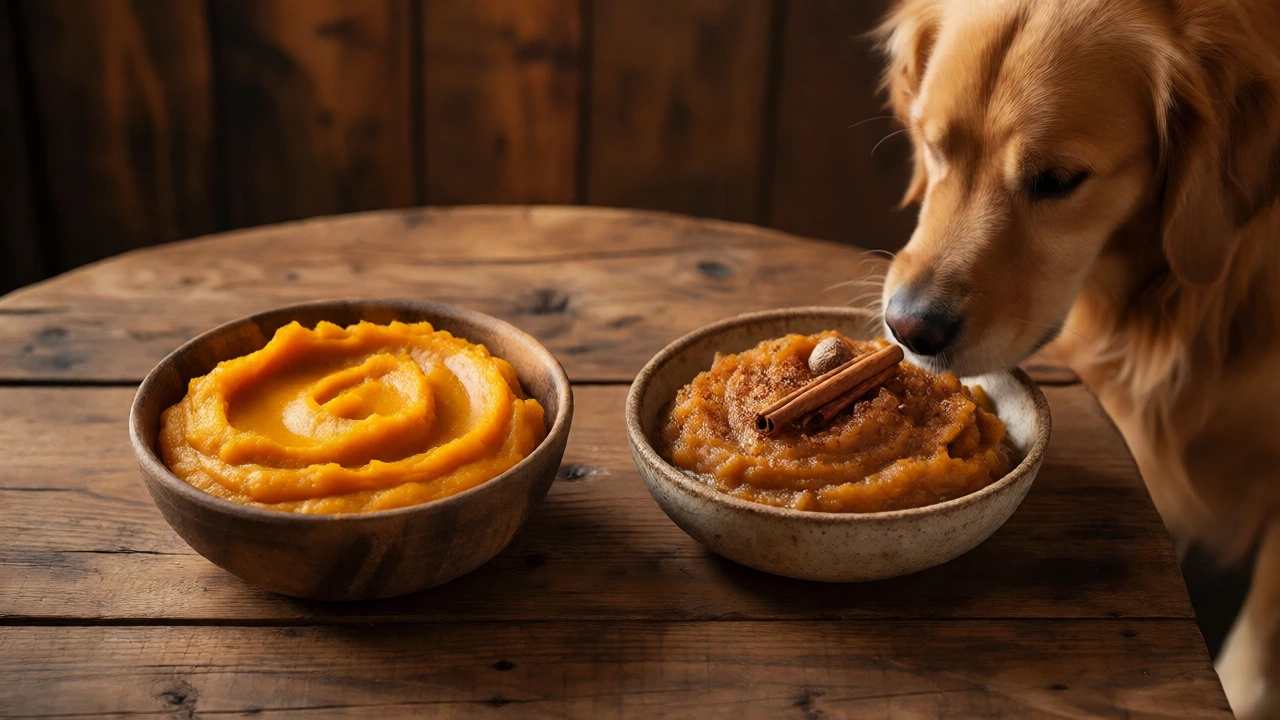
This is where most mistakes happen. You cannot grab any orange can off the shelf. There is a huge difference between pumpkin puree and pumpkin pie filling.
- Pumpkin Puree: The ingredient list should say one thing: Pumpkins. That’s it. No sugar, no spices, no preservatives.
- Pumpkin Pie Filling: This contains added sugars, cinnamon, nutmeg, and sometimes artificial sweeteners like xylitol, which is toxic to dogs. Feeding this daily could lead to obesity, dental issues, or even toxicity.
If you are making your own pumpkin at home, ensure you cook it thoroughly and mash it without adding butter, salt, or sugar. Plain is perfect. Your dog doesn’t need flavor enhancers; they have thousands of taste buds that don’t require our culinary preferences.
Determining the Right Daily Dosage
"Every day" doesn't mean "unlimited." Overfeeding pumpkin can cause its own set of problems, primarily gas and bloating, because sudden increases in fiber can upset a sensitive gut. The general rule of thumb depends on your dog's size.
| Dog Size | Weight Range | Daily Amount (Plain Puree) |
|---|---|---|
| Toy/Small | Under 10 lbs (4.5 kg) | 1 teaspoon |
| Medium | 10-30 lbs (4.5-13.6 kg) | 1-2 tablespoons |
| Large | 30-60 lbs (13.6-27.2 kg) | 2-3 tablespoons |
| Giant | Over 60 lbs (27.2 kg) | 1/4 - 1/2 cup |
Start with half these amounts if you’ve never fed pumpkin to your dog before. Monitor their stool for 24-48 hours. If it looks normal, you can gradually increase to the recommended amount. If they get gassy, scale back.
When Daily Feeding Might Be Problematic
While pumpkin is generally safe, "daily" isn't always ideal for every dog. Here are scenarios where you should pause or consult your vet:
Vitamin A Toxicity: This is rare but possible. Pumpkin is rich in beta-carotene, which converts to Vitamin A. In small breeds fed excessive amounts over long periods, there’s a theoretical risk of hypervitaminosis A. Symptoms include bone pain, liver damage, and dry skin. Stick to the dosage chart to avoid this.
Caloric Intake: If you add pumpkin to your dog’s bowl without reducing their kibble, you’re adding extra calories. For a dog prone to weight gain, replace some of their regular food with pumpkin rather than topping it up. Think of pumpkin as part of the meal, not a dessert.
Diabetes: Pumpkin has a moderate glycemic index. While it’s better than many treats, diabetic dogs need strict carbohydrate management. Check with your vet before adding a new carb source to their diet.
How to Serve It for Maximum Benefit
Some dogs love the texture; others turn their noses up at it. Here are three ways to integrate it into their routine:
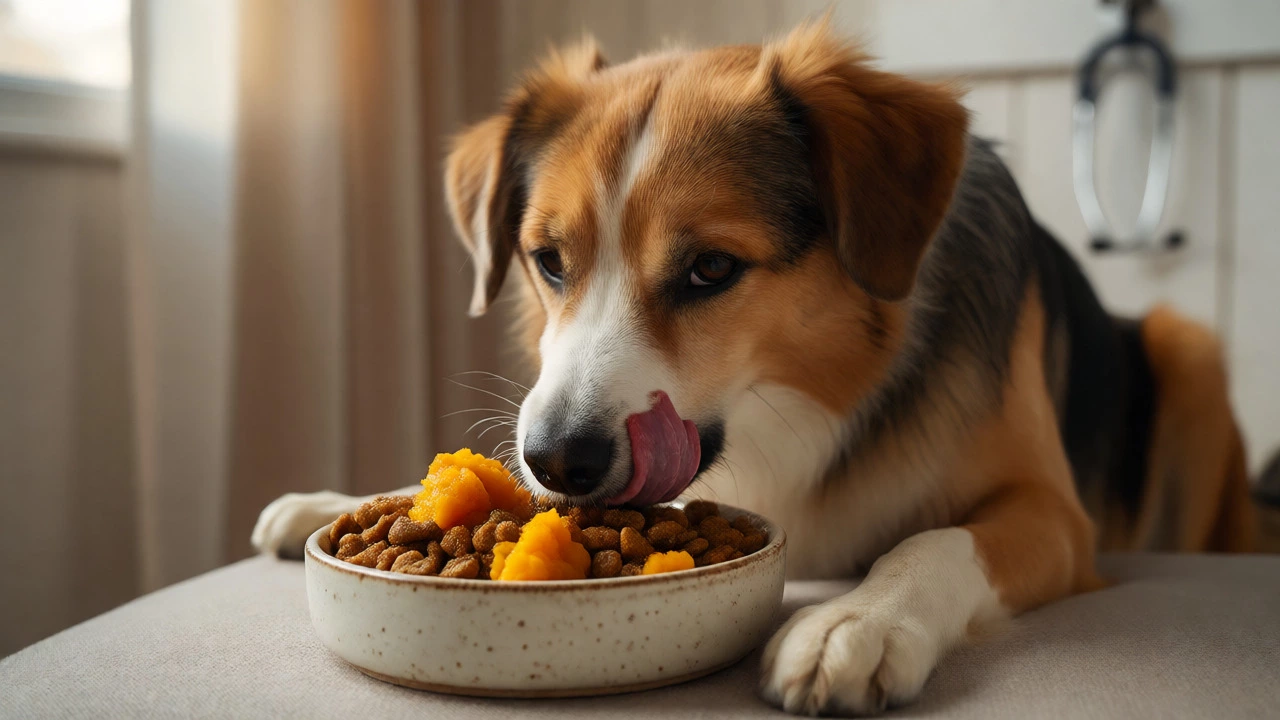
- Mixed In: Stir the measured amount directly into their wet or dry food. This hides the texture and ensures they eat it all.
- Frozen Treats: Mix pumpkin with a little plain yogurt or peanut butter (xylitol-free) and freeze it in ice cube trays. Great for hot Wellington days or teething puppies.
- Hydration Boost: Add a spoonful to water or broth to encourage drinking, especially useful for older dogs who tend to dehydrate.
Consistency is key. If you want to feed it daily, pick a time-like breakfast-and stick to it. Sudden dietary changes are the enemy of a stable gut microbiome.
Signs Your Dog Needs More (or Less) Pumpkin
Your dog’s poop is the best indicator of whether your pumpkin strategy is working.
- Too Much: Look for very soft stools, increased flatulence, or straining despite having output. This means the fiber load is too high for their current system.
- Too Little (if targeting constipation): Hard, pellet-like stools that are difficult to pass. You might need to slightly increase the dose or add more water to their diet.
- Just Right: Well-formed, moist logs that are easy to pick up and don’t leave residue on the ground.
Remember, pumpkin is a supplement, not a cure-all. If your dog has chronic diarrhea, blood in the stool, or vomiting, pumpkin won’t fix the underlying issue. See a veterinarian immediately.
Is canned pumpkin good for dogs with pancreatitis?
Generally, yes, because it is low in fat. However, pancreatitis requires a strictly controlled low-fat diet. Always consult your vet before introducing any new food, even healthy ones, to a dog managing this condition.
Can puppies eat pumpkin every day?
Yes, but in smaller quantities. Puppies have developing digestive systems. Start with a tiny pinch mixed into their puppy formula food. It can help with mild tummy upsets, but avoid large doses that might interfere with nutrient absorption during growth spurts.
What happens if I accidentally gave my dog pumpkin pie filling?
Check the ingredients. If it contains xylitol, seek veterinary care immediately as it causes rapid insulin release and hypoglycemia. If it just has sugar and spices, monitor for stomach upset or diarrhea. Nutmeg in large amounts can be toxic, but a small lick usually just causes mild discomfort.
Does pumpkin help with anal gland issues?
Yes, often. Adding fiber to the diet firms up the stool, which naturally expresses the anal glands during defecation. Many vets recommend daily pumpkin as a first-line defense against impacted anal sacs in small breeds.
Can I use fresh pumpkin instead of canned?
Absolutely. Roast or boil the pumpkin until tender, then puree it in a blender. Ensure it cools completely before serving. Fresh pumpkin allows you to control exactly what goes in, avoiding any hidden additives found in processed foods.