Long-Distance Dog Travel Planner
Trip Details
Enter your trip details to generate a safe travel plan for your dog.
Twelve hours is a long time for anyone to sit still, but for your dog, it can be a test of patience, comfort, and physiology. If you are planning a cross-country move or a weekend getaway that involves a marathon drive, the short answer is: yes, most healthy adult dogs can handle a 12-hour car journey, but only if you plan it correctly. It is not just about cranking up the air conditioning and hitting the highway. Without proper preparation, a long drive can lead to motion sickness, anxiety, dehydration, or even serious health issues like heatstroke or urinary tract infections.
The difference between a stressful ordeal and a successful trip comes down to preparation, pacing, and understanding your specific dog's needs. A 12-hour trip isn't one continuous block of driving; it’s a series of shorter segments connected by essential breaks. Here is how to navigate the logistics, safety gear, and biological needs of your canine companion to ensure they arrive at your destination happy and healthy.
Understanding Your Dog's Physical Limits
Before you even pack the bags, you need to assess whether your dog is physically capable of handling such a long duration in a vehicle. Age, breed, and existing health conditions play massive roles here. A high-energy Labrador Retriever in its prime will handle the confinement differently than an elderly Greyhound with arthritis or a brachycephalic (flat-faced) breed like a Pug or French Bulldog.
Flat-faced breeds struggle with temperature regulation and breathing, making long car rides riskier due to potential overheating and respiratory distress. Senior dogs often have reduced bladder control and joint pain, meaning they cannot hold their urine for long periods and may find sitting uncomfortable. Puppies under six months old generally lack the bladder capacity to go more than two to three hours without a bathroom break, making a 12-hour trip nearly impossible without frequent stops.
| Dog Type | Suitability | Key Concerns |
|---|---|---|
| Healthy Adult (Active) | High | Boredom, restlessness |
| Senior Dog | Moderate | Joint pain, frequent bathroom needs |
| Puppy (< 6 months) | Low | Limited bladder control, separation anxiety |
| Brachycephalic Breeds | Caution Required | Overheating, breathing difficulties |
If your dog falls into a lower suitability category, consult your veterinarian before booking the trip. They might recommend medications for nausea or anxiety, or suggest breaking the journey into multiple days.
Essential Safety Gear: Crates vs. Harnesses
Letting your dog roam free in the back seat is a recipe for disaster. A distracted driver caused by a loose pet is dangerous, and in the event of a sudden stop or accident, an unrestrained dog becomes a projectile. You need a secure containment system. The two main options are a crash-tested crate or a harness designed for car travel.
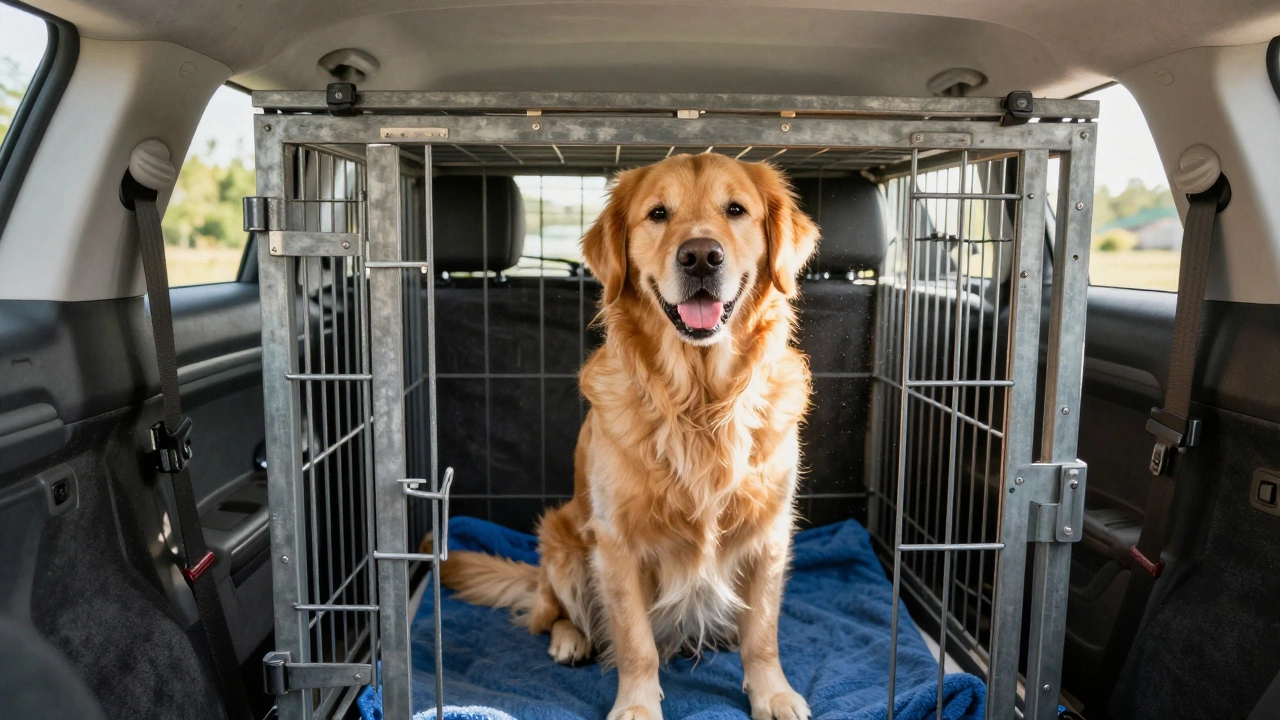
A Crash-tested crate is a rigid enclosure certified to withstand impact forces during collisions. This is often the safest option for anxious dogs who feel secure in enclosed spaces. Ensure the crate is large enough for your dog to stand, turn around, and lie down comfortably, but secured tightly so it doesn't slide across the floor.
Alternatively, a Car travel harness is a specialized vest that clips directly into the vehicle's seatbelt system. This allows your dog more freedom to shift positions while keeping them restrained. Look for harnesses that have been independently tested for safety standards. Avoid simple leashes clipped to seatbelts, as these can choke the dog or cause neck injuries during a crash.
The Break Schedule: Why 12 Hours Means 4 Stops
You cannot expect a dog to hold their bladder for 12 hours. Even human drivers need to stretch their legs every two to three hours. For your dog, regular breaks are non-negotiable for physical relief and mental stimulation. Plan for a stop every 2 to 3 hours. This means on a 12-hour drive, you should budget for at least four significant breaks, each lasting 15 to 20 minutes.
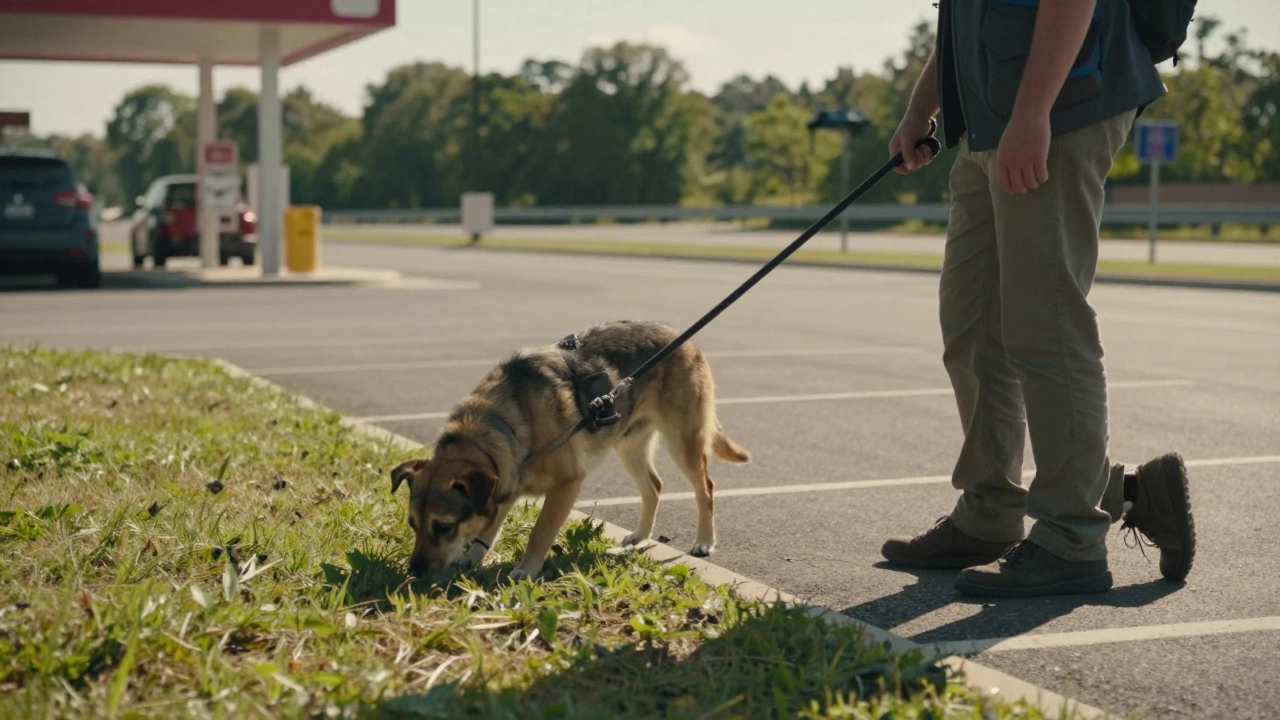
During these breaks, prioritize potty time first. Use a leash to keep your dog safe from traffic, especially near highways where escape risks are high. Allow them to sniff and explore briefly, which helps reduce stress. However, avoid letting them run off-leash in unfamiliar areas, as they might ingest something toxic or get lost. If your dog is hesitant to go outside in new environments, bring along a piece of their bedding or a familiar scent to encourage them.
Managing Hydration and Nutrition
Dehydration is a silent killer on long trips. Cars dry out the air, and the stress of travel increases water needs. Bring plenty of fresh water and a spill-proof bowl. Offer small amounts of water frequently rather than letting them gulp large quantities at once, which can trigger vomiting or bloat (gastric torsion), a life-threatening condition.
Feeding is another tricky area. Feeding a full meal right before or during the drive can cause motion sickness. Ideally, feed your dog a light meal 4 to 6 hours before departure. During the trip, offer small snacks during breaks to maintain energy levels, but avoid rich treats that might upset their stomach. Stick to what they usually eat to prevent digestive issues.
Combating Motion Sickness and Anxiety
Many dogs suffer from motion sickness, characterized by drooling, panting, whining, and vomiting. To mitigate this, keep the car cool and well-ventilated. Open a window slightly to let fresh air circulate, but ensure no part of your dog’s body hangs out, as this poses injury risks. Pointing the crate or seat forward can also help, as looking out the front windshield reduces the visual disorientation that causes nausea.
Anxiety is equally common. Some dogs associate the car with vet visits or grooming appointments. To change this association, take short, positive drives beforehand. Play calming music at a low volume-classical or reggae has been shown to reduce stress in animals. Never scold a dog for accidents or vomiting during the trip; this increases anxiety and makes future travels harder.
If your dog has severe anxiety, talk to your vet about prescription anti-anxiety medication or natural supplements like melatonin or CBD oil (ensure it is THC-free and vet-approved). These can help calm your dog enough to sleep through parts of the journey, but never sedate a dog to the point of unconsciousness, as this can interfere with their ability to regulate balance and temperature.
Temperature Control and Environment
Cars heat up incredibly fast, even in mild weather. Never leave your dog unattended in a parked car, regardless of the outside temperature. On a 12-hour trip, maintain a consistent cabin temperature between 68°F and 72°F (20°C - 22°C). Direct sunlight can create hot spots in the car, so park in shade during breaks and use sunshades on windows if possible.
In winter, drafts from open windows can make your dog cold. Bring a familiar blanket or towel for them to lie on. This provides both physical warmth and psychological comfort through familiar scents.
Pre-Trip Preparation Checklist
To ensure nothing is forgotten, use this checklist before you start the engine:
- Veterinary Check-up: Ensure vaccinations are up to date and obtain a health certificate if crossing state or national borders.
- ID and Microchip: Verify your dog’s microchip information is current and attach a collar tag with your phone number and destination address.
- Comfort Items: Pack their favorite bed, toys, and a piece of clothing that smells like home.
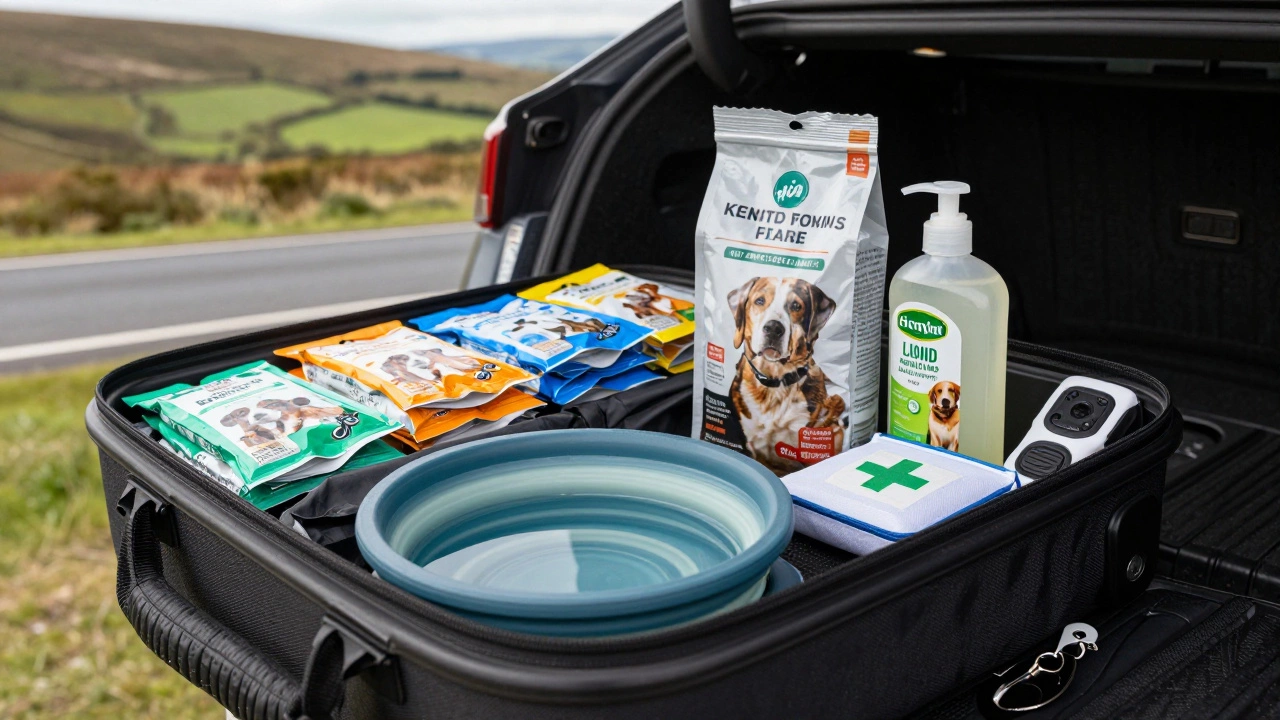
- Supplies: Water, food, bowls, poop bags, paper towels, enzymatic cleaner (for accidents), and any medications.
- Documents: Keep vaccination records and vet contact info in your glove compartment.
What to Do If Your Dog Gets Sick
Despite best efforts, accidents happen. If your dog vomits, clean the mess immediately with an enzymatic cleaner to remove odors that might attract them back to the same spot. If vomiting persists, pull over and assess their condition. Pale gums, lethargy, or repeated vomiting require immediate veterinary attention. Know the location of emergency vet clinics along your route before you leave.
For diarrhea, withhold food for a few hours but continue offering small sips of water. If symptoms don’t improve within a day, seek professional help. Always monitor your dog’s behavior closely; subtle changes in demeanor can indicate pain or distress.
Is it cruel to make a dog travel for 12 hours?
It is not inherently cruel if the dog is healthy, properly restrained, and given regular breaks. However, it becomes inhumane if the dog is forced to stay in a confined space without bathroom breaks, adequate water, or temperature control. Proper planning ensures the trip is manageable and safe.
How many times should I stop during a 12-hour drive?
You should stop every 2 to 3 hours, totaling at least four stops. Each break should last 15-20 minutes to allow for bathroom relief, water, and light exercise. This prevents bladder issues and reduces stress.
Can I give my dog sleeping pills for a long car ride?
Never use human sleeping pills or strong sedatives without explicit veterinary instruction. Sedation can impair a dog’s ability to regulate body temperature and balance, increasing health risks. Consult your vet for safe, approved anti-anxiety medications instead.
What if my dog refuses to drink water during the trip?
Offer water frequently in small amounts. Try using a squeeze bottle or syringe (without needle) to gently offer drops if they are dehydrated. Adding a tiny bit of low-sodium broth to the water might entice them. Monitor for signs of dehydration like dry gums or loss of skin elasticity.
Do I need a health certificate for long-distance dog travel?
Requirements vary by location. Within many countries, a health certificate is not legally required for domestic travel, but it is highly recommended. When crossing international borders, a health certificate issued by a licensed vet within 10 days of travel is almost always mandatory.