
Dog Cheese Safety & Portion Calculator
Select a cheese type to see its safety rating for dogs.
Mozzarella
Low Lactose / Medium Fat
Safe in Small AmountsCheddar
Low Lactose / High Fat
Safe OccasionallyCottage Cheese
Very Low Lactose / Low Fat
Best OptionBlue Cheese
Contains Roquefortine C
Unsafe (Toxic)Gouda
Low Lactose / Medium Fat
Moderation OnlyProcessed Cheese
High Sodium / Preservatives
AvoidEstimated Daily Treat Limit
Based on the 10% rule of daily caloric intake.
*This is the absolute maximum. Start with much less to test tolerance.
Signs of Digestive Distress
Often occurs shortly after ingestion if lactose intolerant.
A common reaction to undigested lactose fermenting in the gut.
Indicates digestive upset; monitor closely for pain.
May indicate more serious issues like pancreatitis or toxicity.
Look for whining, restlessness, or a "prayer position" (front down, rear up).
You just opened a block of cheddar, took a bite, and looked down. Your dog is staring at you with those big, hopeful eyes, tail wagging like a helicopter blade. It’s tempting to toss them a piece. After all, they’re part of the canine family, right? But before you share that snack, you need to know if it’s actually safe for them. The short answer is yes, but with some very important caveats.
Cheese isn’t toxic to dogs in the way chocolate or grapes are. However, it’s not exactly a health food for them either. Most adult dogs are lactose intolerant, meaning their bodies struggle to break down the sugar found in milk products. Feeding your pup the wrong kind of cheese can lead to an upset stomach, gas, or worse. Let’s break down what types of cheese are safe, how much is too much, and why you should probably keep the blue cheese in the fridge.
The Lactose Intolerance Problem
To understand why cheese can be tricky, you have to look at how dogs digest dairy. When puppies are born, they produce an enzyme called lactase to help them digest their mother’s milk. As they grow older and start eating solid food, most dogs stop producing this enzyme in significant amounts. This condition is known as lactose intolerance.
When a lactose-intolerant dog eats dairy, the undigested lactose ferments in the gut. This causes bloating, diarrhea, and vomiting. It’s uncomfortable for the dog and messy for you. Not all dogs are equally sensitive, though. Some breeds handle small amounts of dairy better than others, but you can’t always tell until you try-and even then, it’s risky.
If you’ve never given your dog cheese before, don’t start with a large chunk. Start with a tiny crumb and watch them for 24 hours. If they seem fine, no gas, no loose stools, then they might tolerate it. But remember, tolerance doesn’t mean it’s good for them. It just means they won’t get sick immediately.
Safe Cheeses vs. Dangerous Cheeses
Not all cheese is created equal when it comes to canine consumption. The key factors are lactose content, fat percentage, and added ingredients like salt or garlic. Here’s a quick guide to what you can offer and what you should avoid.
| Type of Cheese | Lactose Level | Fat Content | Safety Verdict |
|---|---|---|---|
| Mozzarella | Low | Medium | Safe in small amounts |
| Cheddar | Low | High | Safe occasionally (watch calories) |
| Cottage Cheese | Very Low | Low | Best option for high-lactose sensitivity |
| Gouda | Low | Medium | Safe in moderation |
| Blue Cheese | Low | High | Unsafe (contains penicillin mold) |
| Brie/Camembert | Medium | High | Avoid (high fat, potential additives) |
| Processed Cheese | Variable | High | Avoid (high sodium, preservatives) |
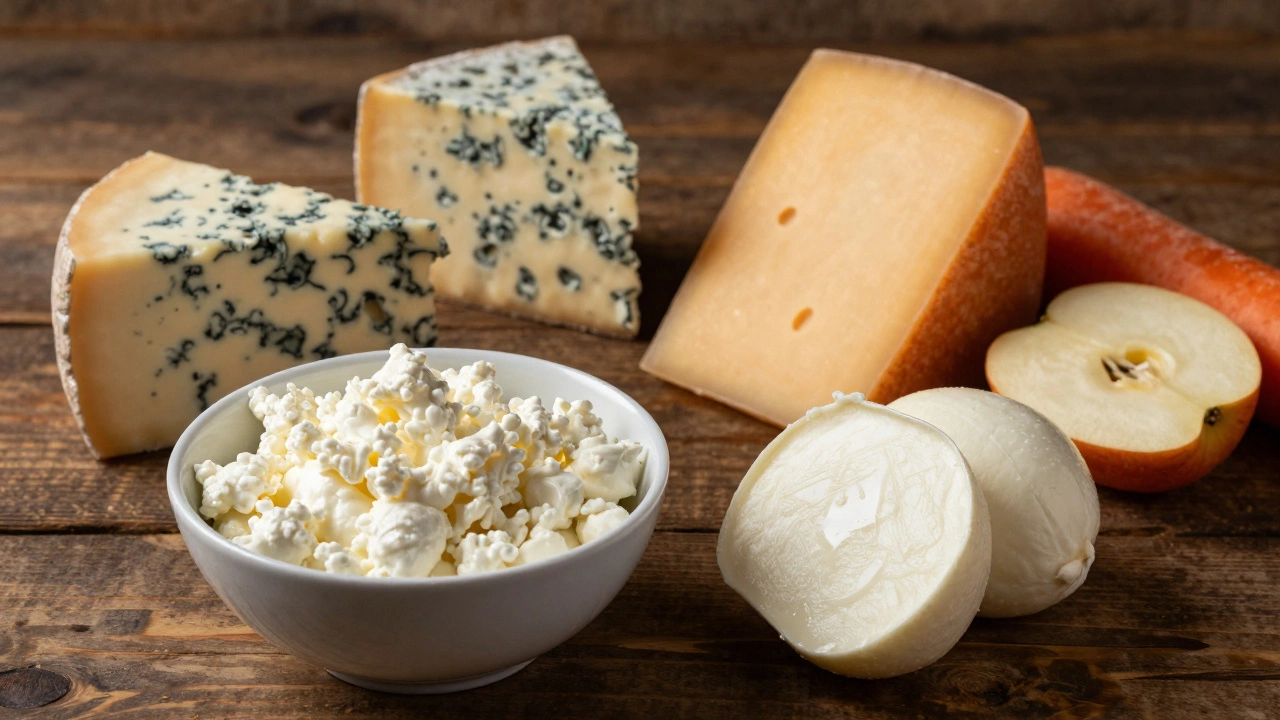
Mozzarella is often considered one of the safer options because it has lower lactose levels than many other cheeses. Cottage cheese is another excellent choice, especially low-fat varieties, as it provides protein and calcium with minimal lactose. Just make sure it’s plain-no herbs, no onions, no garlic.
On the flip side, blue cheese is a hard no. It contains roquefortine C, a toxin produced by the Penicillium roqueforti mold used in its production. This can cause seizures, muscle tremors, and other neurological issues in dogs. Similarly, avoid any cheese with added flavors like garlic, onion, or jalapeño, as these are toxic to dogs.
The Hidden Danger: Fat and Pancreatitis
Even if your dog tolerates lactose, cheese is still high in fat. While fat is a necessary part of a dog’s diet, too much of it can trigger pancreatitis, a painful and potentially life-threatening inflammation of the pancreas. This is especially true for smaller breeds or dogs who are already overweight.
Pancreatitis symptoms include severe vomiting, abdominal pain, loss of appetite, and lethargy. If your dog eats a large amount of fatty cheese and starts showing these signs, call your vet immediately. Prevention is easier than treatment, so stick to small, occasional treats rather than making cheese a regular part of their diet.
Also, watch out for the sodium content. Many processed cheeses and flavored varieties are loaded with salt. High sodium intake can lead to dehydration or, in extreme cases, sodium ion poisoning. Always check the label if you’re considering sharing a specific type of cheese.
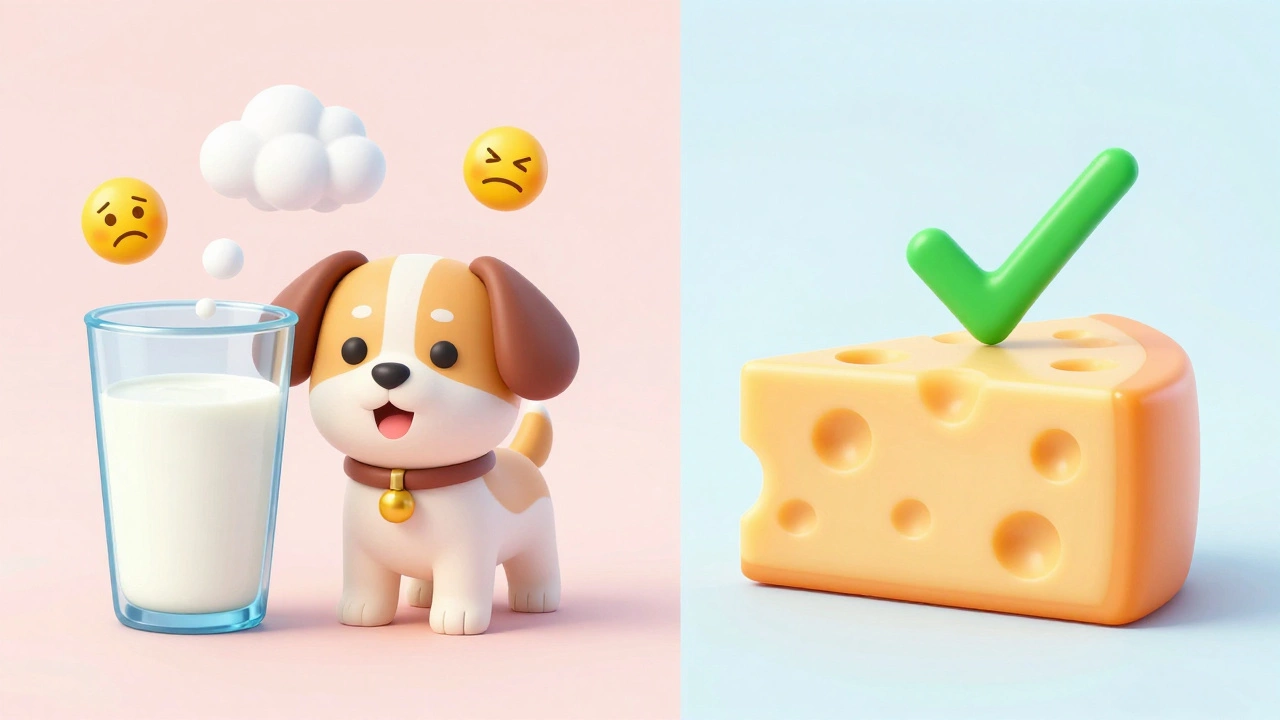
How Much Cheese Is Too Much?
There’s no strict rule here, but the general guideline is that treats should make up no more than 10% of your dog’s daily caloric intake. For a small dog like a Chihuahua, a single cube of cheddar might be enough. For a larger breed like a Labrador, a few cubes could be acceptable as an occasional reward.
Think of cheese as a special treat, not a meal replacement. It can be useful for training because it’s highly palatable to most dogs. You can use tiny pieces to lure them into a crate or teach new commands. But don’t let the wagging tail fool you into overfeeding. One small piece is plenty.
If you’re unsure about portion sizes, consult your veterinarian. They can give you advice based on your dog’s weight, age, and overall health. Puppies, senior dogs, and dogs with kidney issues may need stricter dietary controls.
Benefits of Cheese for Dogs
Despite the risks, cheese does offer some nutritional benefits when fed in moderation. It’s a good source of calcium, which is essential for strong bones and teeth. It also contains protein, vitamins A and B12, and phosphorus.
For picky eaters, mixing a small amount of cottage cheese or shredded mozzarella into their kibble can encourage them to finish their bowl. It adds flavor without significantly altering the nutritional balance. Just ensure the cheese is low-sodium and plain.
Some owners also use cheese to hide pills. The strong smell and taste of cheese can mask the bitter flavor of medication, making it easier to administer. Again, use only a small amount to avoid digestive upset.
Signs Your Dog Had Too Much Cheese
If you’ve shared cheese with your dog and notice any of the following symptoms, monitor them closely:
- Vomiting or retching
- Diarrhea or loose stools
- Excessive gas or bloating
- Lethargy or weakness
- Abdominal pain (whining, restlessness)
Mild symptoms may resolve on their own within 24 hours. Ensure your dog has access to fresh water to stay hydrated. If symptoms persist, worsen, or if your dog shows signs of severe distress, contact your veterinarian. In cases of suspected pancreatitis or toxicity from blue cheese, seek emergency care immediately.
Alternatives to Cheese for Dog Treats
If you’re worried about lactose or fat, there are plenty of safer alternatives that dogs love. Carrots, apples (without seeds), and green beans are low-calorie, nutritious options. Commercial dog treats formulated specifically for canine digestion are also a reliable choice.
You can also make homemade treats using dog-safe ingredients like peanut butter (xylitol-free), banana, or pumpkin puree. These options allow you to control the ingredients and ensure your dog gets a healthy snack without the risk of digestive upset.
Can puppies have cheese?
It’s best to avoid giving cheese to puppies. Their digestive systems are still developing, and they are more susceptible to lactose intolerance and pancreatitis. Stick to puppy-specific treats and foods recommended by your vet.
Is string cheese bad for dogs?
String cheese is generally safe in small amounts, but it’s often high in sodium and fat. Look for low-sodium varieties and limit the portion size. It’s not a health food, but an occasional nibble is usually fine.
Can dogs eat cheese every day?
No, cheese should not be a daily part of your dog’s diet. It’s high in fat and calories, which can lead to obesity and pancreatitis over time. Use it sparingly as an occasional treat.
What happens if my dog eats blue cheese?
Blue cheese contains roquefortine C, which can cause seizures and muscle tremors in dogs. If your dog eats blue cheese, contact your vet immediately, even if they seem fine at first. Symptoms can develop later.
Can I give my dog cottage cheese?
Yes, plain, low-fat cottage cheese is one of the safest dairy options for dogs. It has very low lactose and provides protein and calcium. Just ensure it doesn’t contain added sugars or artificial sweeteners like xylitol.