
Dog Banana Portion Calculator
Enter your dog's details to calculate a safe, healthy treat portion.
Recommended Daily Banana Treat
Estimated Daily Calories: -- kcal
Max Treat Calories (10%): -- kcal
Banana Calories in this serving: ~-- kcal
Important Reminders
- Always remove the peel (it causes blockages).
- Bananas are high in sugar; do not feed daily without vet approval.
- If your dog is diabetic or has kidney issues, consult a vet first.
It starts with that classic look. You’re peeling a banana, the sweet scent fills the kitchen, and your dog appears out of nowhere, eyes locked on the fruit, tail wagging at maximum velocity. The question hits you immediately: Can I share this snack? Is it safe?
The short answer is yes. Bananas are safe and nutritious fruits for dogs when given in moderation. They aren’t toxic like grapes or chocolate. In fact, they offer a surprising amount of nutritional value. But just because something is safe doesn’t mean it’s perfect for every situation. Feeding your dog a whole banana might lead to an upset stomach, and understanding the balance between benefit and risk is key to keeping your pup happy and healthy.
Why Bananas Are Good for Dogs
Bananas are more than just a soft, yellow treat. They pack a punch of essential nutrients that support various aspects of canine health. When you feed your dog a slice of banana, you’re providing a natural source of energy and vitamins without the artificial additives found in many commercial treats.
The primary benefit comes from their high potassium content. Potassium is an electrolyte that helps regulate fluid balance, nerve signals, and muscle contractions. For active dogs, or those recovering from exercise, maintaining proper potassium levels is crucial. It supports heart health and ensures muscles function correctly during play or training sessions.
Beyond potassium, bananas are rich in vitamin B6. Vitamin B6 plays a vital role in protein metabolism and red blood cell production. This vitamin helps convert food into energy, which is great for maintaining a healthy coat and skin. Bananas also contain vitamin C, a powerful antioxidant that supports the immune system. While dogs can produce their own vitamin C, additional dietary sources help fight off oxidative stress and inflammation.
Fiber is another major component. Bananas provide both soluble and insoluble fiber. Soluble fiber helps regulate digestion and can aid in managing diarrhea, while insoluble fiber adds bulk to stool, helping with constipation. This dual-action fiber makes bananas a gentle option for dogs with sensitive stomachs, provided they are introduced slowly.
The Sugar Problem: Why Moderation Matters
If bananas are so healthy, why not make them a daily staple? The issue lies in sugar. Bananas are naturally high in fructose and glucose. While these sugars provide quick energy, excessive intake can lead to weight gain and dental issues over time.
Dogs have different metabolic needs than humans. Their bodies are designed to process proteins and fats more efficiently than simple carbohydrates. Too much sugar can spike blood glucose levels, which is particularly concerning for dogs prone to diabetes or those who are already overweight. Obesity is a leading health issue in pets, contributing to joint problems, heart disease, and reduced lifespan.
Think of bananas as a treat, not a meal replacement. A small piece of banana should account for no more than 10% of your dog’s daily caloric intake. For a small breed like a Chihuahua, a few tiny slices are enough. For a large breed like a Labrador, half a banana might be acceptable as an occasional reward. Always consider your dog’s size, age, and activity level when deciding portion sizes.
How to Serve Bananas Safely
Serving bananas correctly minimizes choking hazards and maximizes digestibility. The peel, while not toxic, is difficult for dogs to digest and can cause intestinal blockages if swallowed in large pieces. Always remove the peel before offering the fruit to your dog.
Here are some practical ways to incorporate bananas into your dog’s diet:
- Mashed Banana: Mash a small amount of banana and mix it into your dog’s regular kibble. This adds moisture and flavor, making meals more appealing for picky eaters.
- Freezer Treats: Freeze small chunks of banana for a refreshing summer snack. The cold texture soothes gums and provides mental stimulation as your dog licks and chews.
- Training Rewards: Cut bananas into tiny, pea-sized pieces. These are perfect for training sessions because they are low-calorie compared to meat-based treats but still highly motivating due to their sweetness.
- Peanut Butter Mix: Combine mashed banana with a small amount of unsweetened, xylitol-free peanut butter. Spread the mixture on a lick mat for a engaging puzzle toy experience.
Avoid adding any other ingredients like honey, chocolate, or nuts, as these can be harmful. Keep it simple and natural.
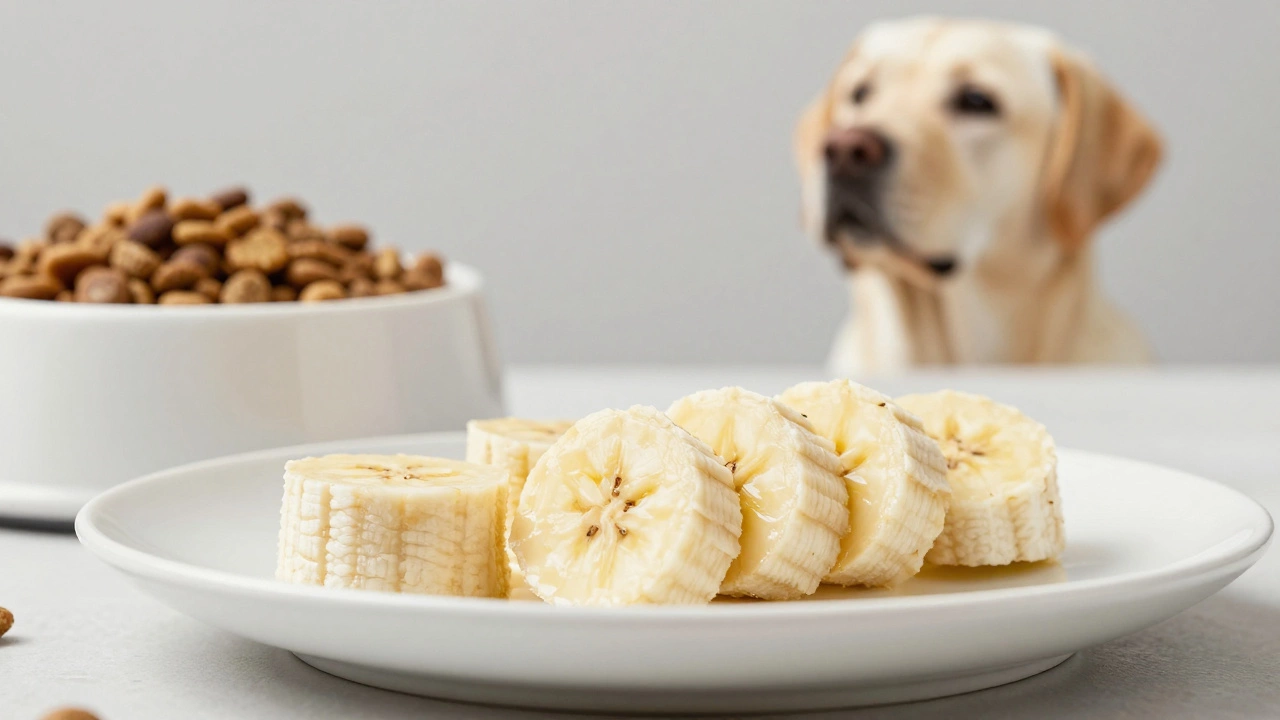
When to Avoid Bananas
While most dogs tolerate bananas well, there are specific scenarios where you should avoid them or consult your veterinarian first.
Kidney Disease: Dogs with chronic kidney disease often need to limit their potassium intake. Since bananas are high in potassium, they may exacerbate the condition. Always follow your vet’s dietary recommendations for renal patients.
Diabetes: Due to their high sugar content, bananas can cause significant blood sugar spikes. Diabetic dogs require strict carbohydrate management, and bananas are generally not recommended unless approved by a veterinary nutritionist.
Allergies: Although rare, some dogs can be allergic to bananas. Signs of an allergic reaction include itching, swelling, vomiting, or diarrhea. If you notice any unusual symptoms after introducing bananas, stop feeding them immediately and contact your vet.
Gastrointestinal Sensitivity: If your dog has a history of severe digestive issues, introduce new foods slowly. Start with a tiny taste and monitor for 24 hours. If no adverse effects occur, you can gradually increase the amount.
| Treat Type | Calories (per 100g) | Sugar Content | Key Nutrients | Safety Note |
|---|---|---|---|---|
| Raw Banana | 89 kcal | High (12.2g) | Potassium, Vitamin B6, Fiber | Safe in moderation; remove peel |
| Commercial Biscuit | 350-400 kcal | Variable (often added sugar) | Carbohydrates, Preservatives | Check for artificial additives |
| Carrot Stick | 41 kcal | Low (4.7g) | Beta-carotene, Fiber | Very safe; low calorie |
| Apple Slice | 52 kcal | Medium (10.4g) | Vitamin C, Fiber | Remove seeds (contain cyanide) |
Banana Peel: To Feed or Not to Feed?
You’ve seen videos online of dogs eating banana peels. Is this safe? Technically, banana peels are not toxic. They don’t contain poisons like grape skins or apple seeds. However, they are tough, fibrous, and hard to digest.
Feeding peels can lead to gastrointestinal obstruction, especially in smaller dogs. Even if the peel passes through, it can cause vomiting or diarrhea due to its indigestible nature. Some owners blend peeled bananas with the peel to create a smooth puree, claiming it aids digestion. While this reduces choking risk, the high fiber load can still upset sensitive stomachs. It’s safer to stick to the inner fruit and compost the peel.
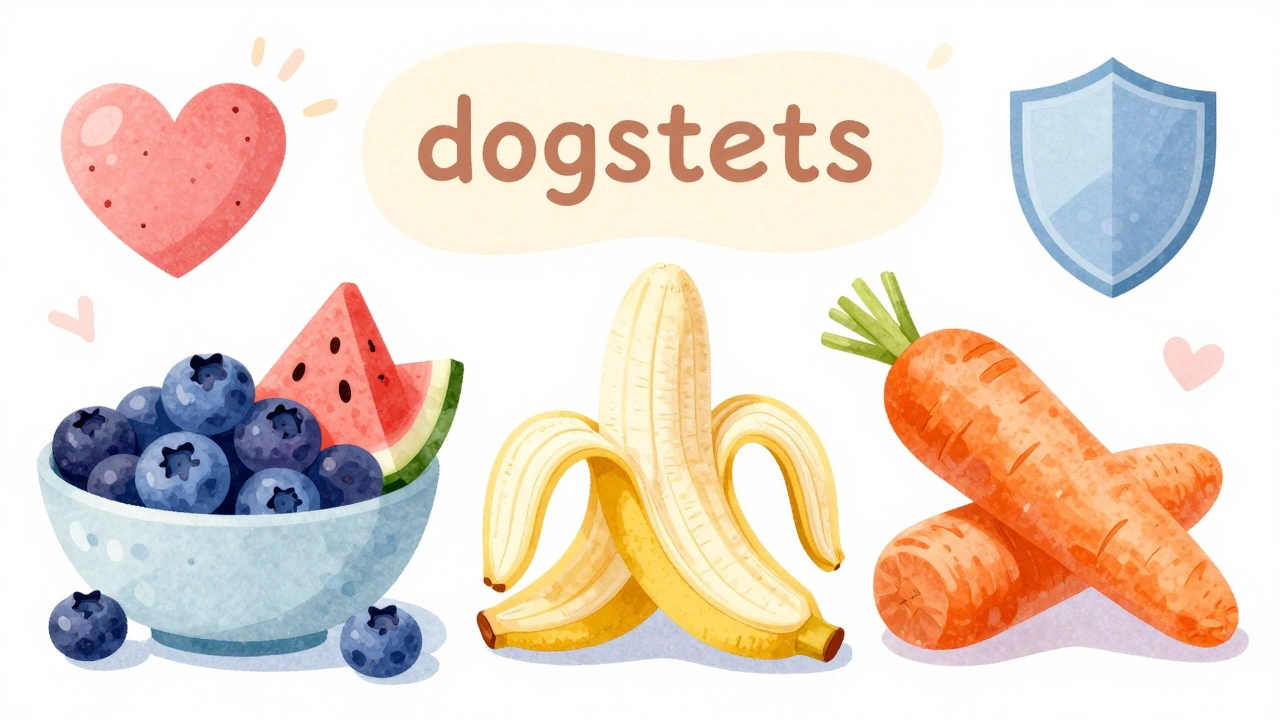
Alternatives to Bananas
If your dog isn’t a fan of bananas, or if you want to rotate their treats for variety, several other fruits are safe and nutritious.
Blueberries are excellent antioxidants and low in calories. They are easy to chew and widely loved by dogs. Watermelon (seedless and rind removed) is hydrating and refreshing in summer. Strawberries offer vitamin C and enzymes that promote dental health, but should be given in small quantities due to sugar content.
Always avoid toxic fruits like grapes, raisins, cherries, and avocados. These can cause kidney failure, choking hazards, or heart issues. When in doubt, check with the ASPCA’s toxic plant database or your veterinarian.
Conclusion: Making Smart Choices
Feeding your dog bananas is a simple way to add nutritional value to their diet. By understanding the benefits of potassium and fiber, and respecting the limits of sugar, you can use bananas as a healthy, enjoyable treat. Remember to always remove the peel, serve appropriate portions, and monitor your dog’s reaction. With these guidelines, you can confidently share your next banana snack with your furry friend.
How much banana can I give my dog?
Portion size depends on your dog's weight. Small dogs should have a few small slices (about 1-2 tablespoons), while medium to large dogs can handle up to half a banana occasionally. Never let bananas exceed 10% of their daily caloric intake.
Are banana peels toxic to dogs?
Banana peels are not toxic, but they are difficult to digest and can cause intestinal blockages or upset stomachs. It is best to remove the peel entirely before feeding the fruit to your dog.
Can diabetic dogs eat bananas?
Generally, no. Bananas are high in sugar, which can spike blood glucose levels. Diabetic dogs require strict carbohydrate control, so consult your vet before introducing any sugary fruits.
Do bananas help with dog diarrhea?
Yes, in moderation. The soluble fiber in bananas can help firm up stools. However, if diarrhea persists, consult a veterinarian as it may indicate a more serious underlying issue.
What are the signs of a banana allergy in dogs?
Signs include itching, scratching, swelling around the face or ears, vomiting, and diarrhea. If you suspect an allergy, stop feeding bananas immediately and seek veterinary advice.