Dog Collar Selector Tool
Answer the questions below to determine which collar type is safest for your dog.
1. Where does your dog spend most of its time?
2. How strong is your dog?
3. Does your dog play with other dogs?
4. What is your primary concern?
You’re walking your dog through a crowded park when suddenly he lunges after a squirrel. His collar catches on a fence post. If you’re wearing a standard buckle, you might panic as he struggles against an unyielding strap. But if he’s wearing a breakaway collar, it snaps open instantly, freeing him before he panics or injures his neck. This is the core difference between breakaway and quick release collars. One is designed to save lives in emergencies; the other is designed for convenience and control during daily walks.
Many dog owners confuse these two terms, assuming they are interchangeable. They aren’t. Choosing the wrong one can mean the difference between a safe walk and a dangerous situation. Let’s clear up the confusion so you can pick the right gear for your pup.
The Safety Mechanism: How Breakaway Collars Work
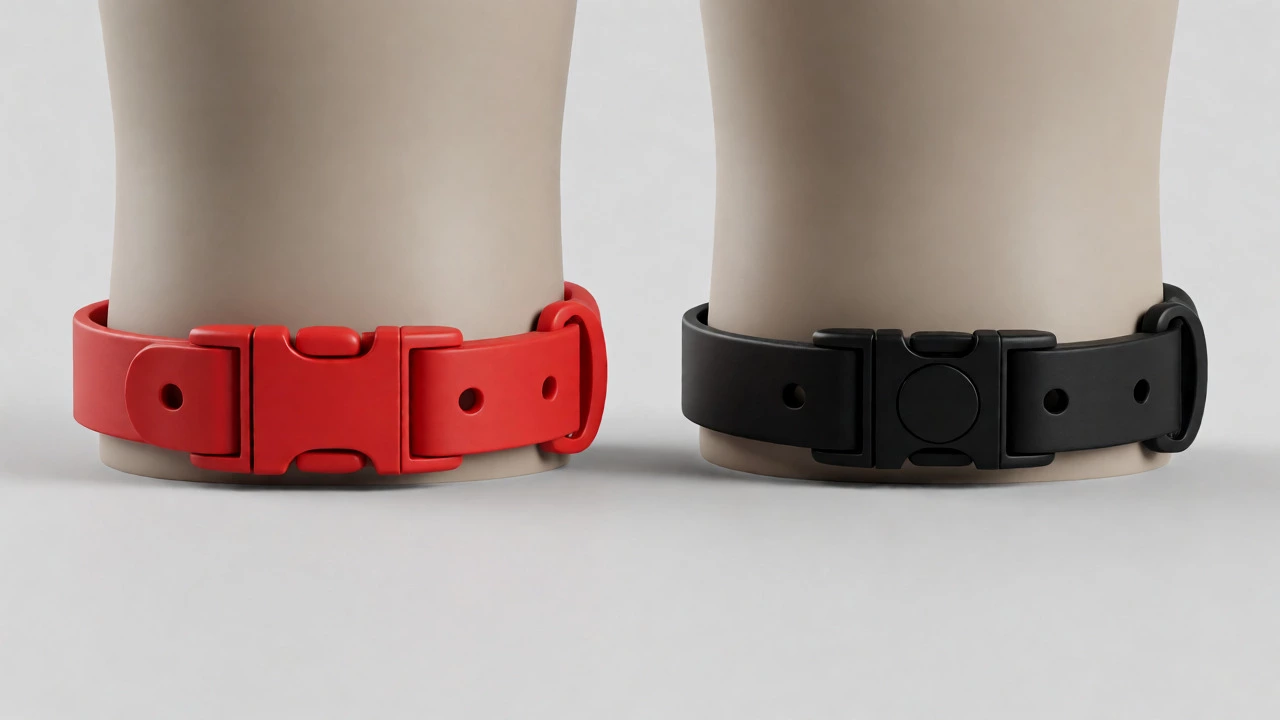
A breakaway collar features a specialized buckle that releases under pressure. Think of it like a seatbelt that unbuckles itself if you crash too hard. The mechanism usually involves a magnetic clasp or a tension-sensitive latch. If your dog gets caught on a crate wire, a tree branch, or another dog’s mouth, the collar pops open. This prevents strangulation, which is a leading cause of injury in unsupervised settings.
These collars are essential for dogs who spend time in kennels, playgroups, or areas where they might get snagged. They are also popular for cats, but many small or anxious dogs benefit from them too. However, this safety feature comes with a trade-off: reliability. A breakaway collar isn’t meant to hold strong pullers. If your dog pulls hard on a leash, the collar might pop off unexpectedly, leaving you chasing a naked-necked dog down the street.
The Convenience Factor: Understanding Quick Release Buckles
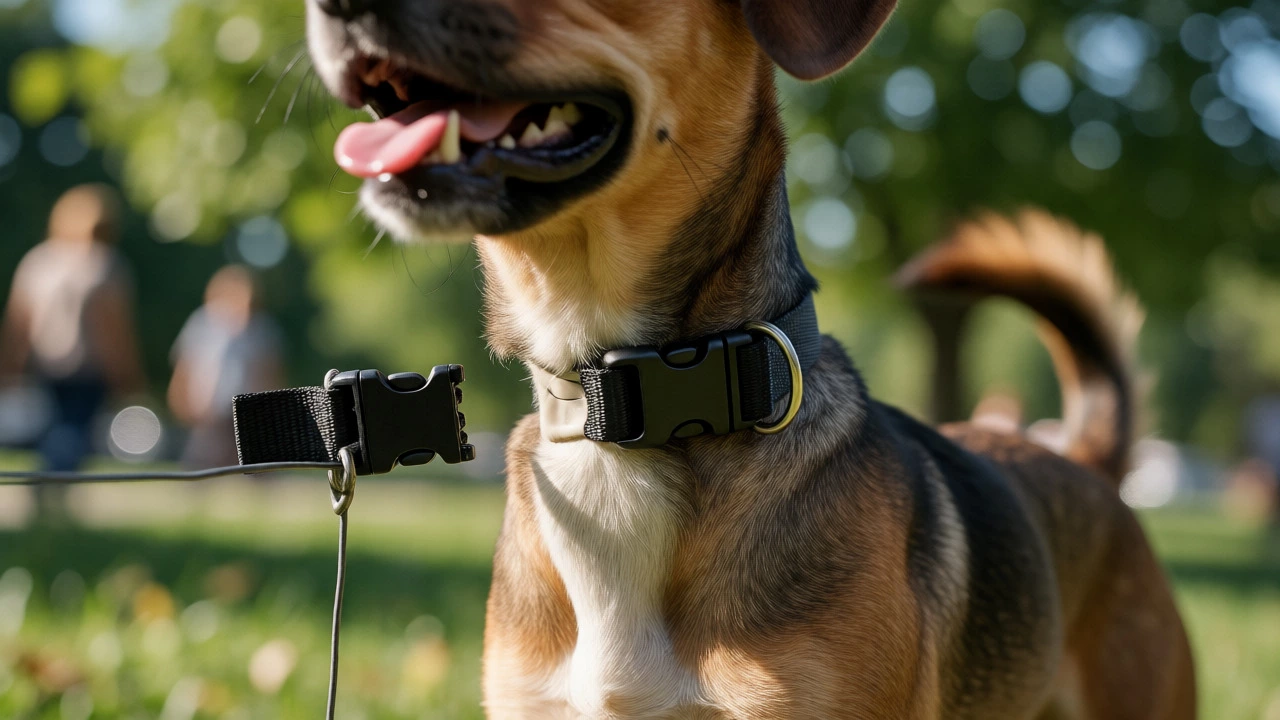
A quick release collar uses a side-release buckle, similar to those found on backpacks or baby strollers. You squeeze the sides of the buckle to open it. It requires deliberate human action to undo. Unlike breakaway collars, these do not snap open under tension. They stay locked until you decide to take them off.
This makes quick release collars ideal for active dogs who wear harnesses or leashes most of the day. They offer secure identification tags and easy removal at home without needing to untie knots. For large breeds or powerful pullers, a quick release buckle provides the necessary strength. It won’t fail when your Labrador decides to chase a ball across the beach.
Key Differences at a Glance
To make the choice easier, here is a direct comparison of the two main types. Notice how their primary functions diverge sharply based on risk versus control.
| Feature | Breakaway Collar | Quick Release Collar |
|---|---|---|
| Release Mechanism | Automatic (under tension) | Manual (requires squeezing) |
| Best For | Kennels, crates, cat-like dogs, supervised play | Walking, hiking, training, high-energy breeds |
| Risk of Loss | High (may pop off while walking) | Low (stays secure unless removed) |
| Safety Level | Prevents strangulation | Secure fit, but no auto-release |
| Typical User | Owners prioritizing safety over control | Owners prioritizing durability and control |
When to Choose a Breakaway Collar
If your dog spends significant time in environments where entanglement is possible, go with a breakaway. Imagine boarding your dog at a facility with chain-link runs. A standard collar could catch on the links. A breakaway saves the day. Similarly, if you have multiple dogs playing roughly, one might grab another’s collar. A quick release buckle would stay locked, potentially causing neck strain. A breakaway lets go immediately.
Small breeds with delicate tracheas also benefit. Chihuahuas or Yorkies can suffer tracheal collapse if pulled too hard. While a harness is often better for walking, a breakaway collar offers a safer option for short-term wear or indoor use where supervision might lapse momentarily.
When to Stick with Quick Release
For daily walks, hikes, or training sessions, a quick release collar is superior. You need confidence that the collar will stay on. If you attach a leash directly to a breakaway collar, you risk accidental detachment. Most trainers recommend using a quick release collar to hold ID tags, paired with a separate harness for leash attachment. This gives you the best of both worlds: secure ID storage and safe pulling mechanics.
Large, strong dogs should almost always use quick release buckles. Their power can easily trigger a weak breakaway mechanism unintentionally. You don’t want your Great Dane slipping out of his collar because he sneezed or shook his head vigorously.
Common Mistakes Owners Make
One major error is using a breakaway collar as a primary walking tool. People buy them for safety, then clip a leash to them and wonder why their dog keeps escaping. Another mistake is ignoring fit. Both collar types must fit snugly. You should be able to slip two fingers between the collar and your dog’s neck. Too loose, and a breakaway might not function correctly or could slip off entirely. Too tight, and it causes irritation regardless of the buckle type.
Also, check the material. Nylon breaks away easily but can fray. Leather is durable but heavier. Some modern designs combine leather aesthetics with breakaway safety, though they cost more. Always inspect the buckle regularly. Debris or dirt can jam a quick release mechanism, making it harder to open when needed.
Final Verdict: Which One Fits Your Lifestyle?
Your decision hinges on supervision levels and activity type. If your dog is often alone in a crate or plays unsupervised with others, choose a breakaway collar for its life-saving potential. If your dog is on a leash most of the time and you prioritize keeping him securely identified, choose a quick release collar. Many owners actually keep both: a breakaway for indoor/kennel use and a quick release for outdoor adventures.
Remember, no collar replaces proper training and supervision. Check your dog’s neck weekly for signs of rubbing or hair loss. Rotate collar positions if your dog wears one constantly. By matching the buckle type to the specific risk profile of your dog’s routine, you ensure both comfort and safety.
Can I put a leash on a breakaway collar?
It is generally not recommended. Breakaway collars are designed to release under tension, which is exactly what happens when a dog pulls on a leash. There is a high risk the collar will pop off, allowing your dog to escape. Use a harness or a quick release collar for leash walking.
Are breakaway collars safe for all dogs?
They are safest for dogs in controlled environments where entanglement is a risk, such as crates or playgroups. However, they are less suitable for strong pullers or dogs prone to slipping out of collars due to their automatic release feature.
How do I know if my quick release buckle is broken?
If the buckle feels stiff, doesn't click firmly into place, or opens with minimal pressure, it may be worn out. Test it by trying to pull it apart gently. If it separates without squeezing the tabs, replace the collar immediately to prevent accidental escape.
Do cats need different collars than dogs?
Yes, cats almost exclusively require breakaway collars. Their slender bodies and climbing habits make them highly susceptible to getting stuck. A non-breakaway collar on a cat poses a significant strangulation risk.
What size collar should I buy?
Measure your dog's neck circumference with a soft tape measure. Add enough length to allow two fingers to fit comfortably between the collar and the neck. Most brands provide size charts based on neck measurements, not weight, so measure carefully.