Dog Coat & Skin Nutrient Finder
Select the symptoms your dog is experiencing to find the most helpful nutrients. (Note: This tool is for educational purposes. Always consult your veterinarian before starting new supplements.)
Recommended Nutrients:
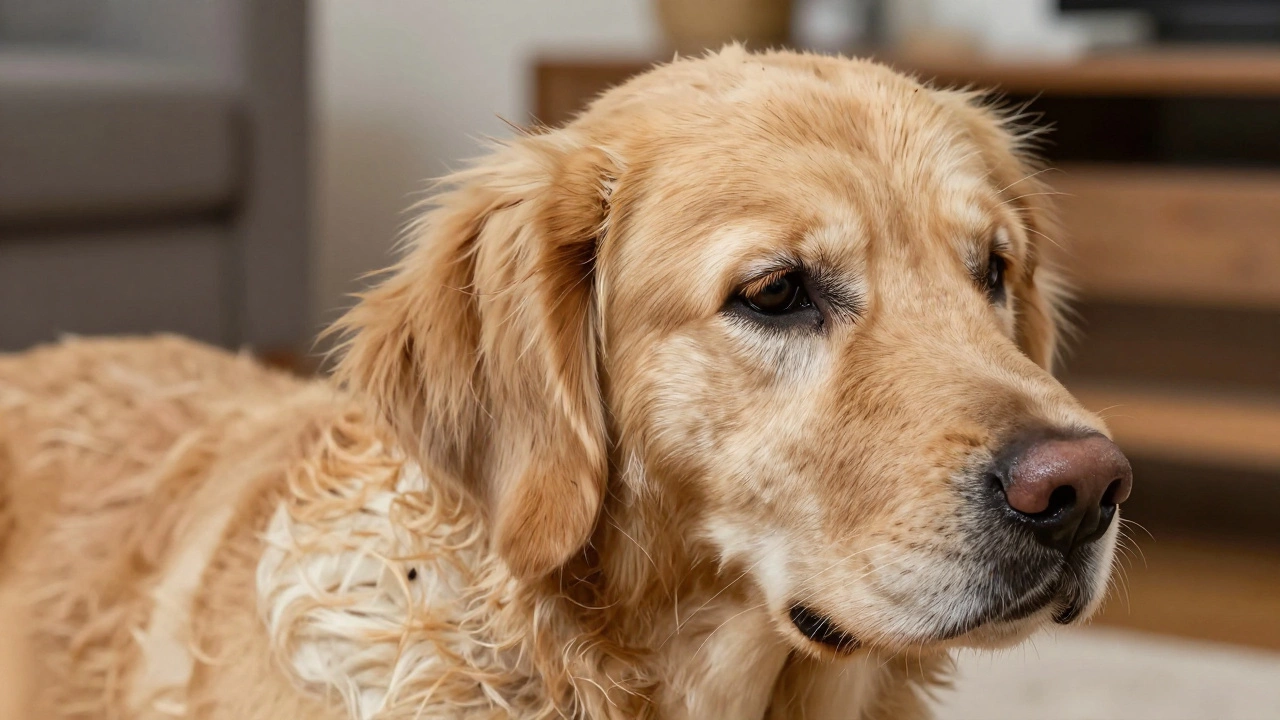
Your dog's coat is like a billboard for their overall health. When you see a dull, flaky coat or a dog that sheds way more than usual, it's usually a sign that something is missing on the inside. Many owners rush to buy a fancy shampoo, but the real secret to that glossy, touchable fur is what happens in the gut and the bloodstream. Getting the right balance of nutrients can turn a scratchy, dry coat into a shimmering one, while also stopping the constant itch that makes your dog miserable.
Quick Wins for a Glossy Coat
- Omega-3 Fatty Acids: The gold standard for reducing inflammation and adding shine.
- Biotin (Vitamin B7): Essential for keratin production and skin strength.
- Vitamin E: Protects skin cells from oxidative damage.
- Zinc: Prevents flaky skin and supports wound healing.
- Omega-6 Fatty Acids: Works with Omega-3s to maintain the skin barrier.
The Heavy Hitters: Essential Nutrients for Fur
If you want to fix a dull coat, you have to look at the building blocks of hair. A dog's hair is mostly made of protein and lipids. Without the right vitamins, the hair follicle produces a weak, brittle strand that breaks easily.
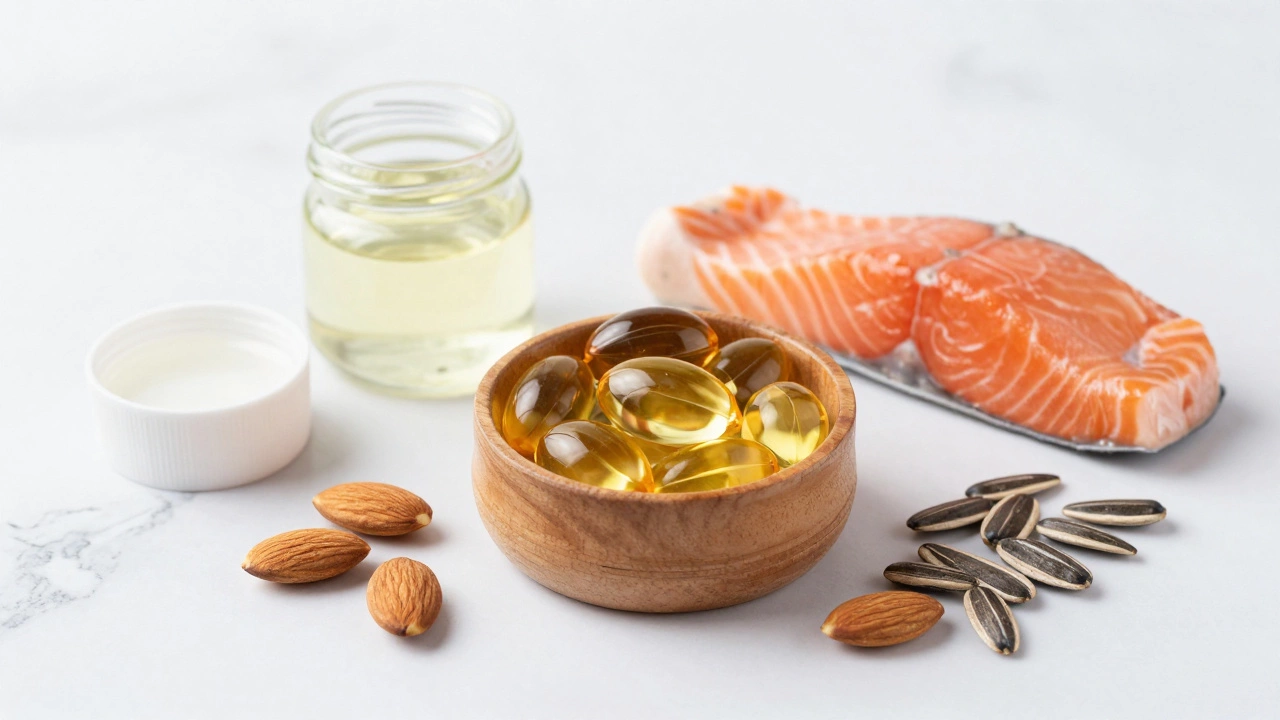
First, let's talk about Omega-3 Fatty Acids is a group of essential polyunsaturated fats that the body cannot produce on its own, primarily found in fish oil. Commonly available as EPA and DHA, these fats lubricate the skin from the inside out. When a dog lacks these, their skin becomes dry, leading to that "dandruff" look. Adding a high-quality fish oil supplement can noticeably reduce shedding within three to four weeks.
Then there is Biotin is a vitamin of the B-complex family that serves as a cofactor for enzymes involved in the metabolism of fatty acids. Since biotin is directly linked to vitamins for dog fur production, it helps strengthen the hair shaft. If your dog has thinning patches or brittle fur, a deficiency in B-vitamins might be the culprit.
Don't overlook Vitamin E is a fat-soluble antioxidant that protects cell membranes from free radicals. It works in tandem with Omega-3s. If you give your dog high doses of fish oil without enough Vitamin E, you might actually cause oxidative stress. They work as a team to keep the skin supple and the coat resilient against the elements.
Comparing Key Coat Supplements
| Supplement | Primary Benefit | Best For... | Common Source |
|---|---|---|---|
| Fish Oil | Anti-inflammatory / Shine | Dry, itchy skin | Salmon or Pollock oil |
| Biotin | Hair strength / Growth | Brittle or thinning fur | B-complex tablets |
| Zinc | Skin barrier repair | Flaky skin / Redness | Meat, seeds, or supplements |
| Coconut Oil | Moisturizing / Antifungal | Rough texture | Virgin coconut oil |
How to Spot a Deficiency
You don't always need a blood test to know your dog is missing something. Their body tells you through their skin. If you see a "staring coat"-where the hair looks stiff and doesn't lay flat-they are likely missing essential fatty acids. If you notice small, scaly patches around the elbows or hocks, it could be a Zinc deficiency, which is particularly common in certain breeds like Huskies or Golden Retrievers due to how they absorb the mineral.
Constant licking and scratching aren't always allergies. Sometimes, the skin is simply too dry to hold onto moisture, making it hypersensitive. This is where a combination of Omega-3 and Omega-6 comes in. While Omega-3 fights the itch, Omega-6 helps build the physical barrier that keeps moisture in and irritants out.
Real-World Implementation: Feeding Guide
Adding supplements isn't as simple as dumping a bunch of pills in their bowl. Too much of a good thing can be dangerous. For example, excessive Vitamin A can lead to joint pain, and too much Zinc can cause copper deficiency.
- Start Low: Begin with a quarter of the recommended dose of fish oil to avoid digestive upset or "loose stools."
- Check Your Food: Read the label of your current dog food. If it already contains "Salmon Oil" as a top ingredient, adding more might unbalance the Omega ratio.
- Use Whole Foods First: Try adding a teaspoon of coconut oil or a piece of steamed salmon to their meal twice a week before turning to synthetic pills.
- Rotate Proteins: Sometimes a dull coat is actually a mild food allergy to a specific protein (like chicken), which prevents nutrients from being absorbed.
Common Pitfalls to Avoid
One big mistake is thinking a supplement can replace a bad diet. If your dog is eating low-grade filler foods with no real protein, no amount of Biotin will make them look like a show dog. Hair is made of protein (keratin); if there's no protein in the diet, the vitamins have nothing to work with.
Another issue is the "quick fix" mentality. Skin cells and hair follicles grow slowly. You won't see a miracle overnight. It usually takes a full shedding cycle-about 4 to 8 weeks-before the new, nutrient-rich hair grows in and you see the actual results of your supplement routine.
Connecting the Dots: Nutrition and Environment
While vitamins are key, the environment plays a huge role. In very dry climates, even a well-supplemented dog can get flaky skin. This is why internal nutrition must be paired with external care. Avoid harsh soaps that strip natural oils; instead, use a moisturizing oatmeal shampoo once a month.
Also, keep an eye on parasites. Fleas and mites cause inflammation that can mask the effects of vitamins. A dog with a flea allergy will never have a glossy coat, no matter how much fish oil they eat, until the parasites are gone.
Can I give my dog human vitamins for their fur?
No, you should avoid human vitamins. Many human supplements contain additives like Xylitol or high levels of Vitamin D and Iron that are toxic to dogs. Always use products specifically formulated for canines to ensure the dosages are safe for their weight and metabolic rate.
How long does it take for supplements to work on a dog's coat?
Typically, you will see an improvement in skin hydration within 2 weeks, but a visible change in the shine and texture of the fur takes 4 to 8 weeks. This is because the existing hair doesn't change; the new hair growing in is the part that benefits from the nutrients.
Is fish oil better than coconut oil for fur?
They do different things. Fish oil provides Omega-3s, which are powerful anti-inflammatories that stop itching and add deep shine. Coconut oil is great for surface moisture and has mild antifungal properties. For a truly healthy coat, a combination of both is usually the best approach.
Can too many vitamins cause problems for my dog?
Yes. Hypervitaminosis (vitamin overdose) is a real risk, especially with fat-soluble vitamins like A, D, and E. Too much Vitamin A can lead to skeletal deformities, while excessive Zinc can interfere with copper absorption. Always follow the dosage on the bottle or consult a vet.
What is the best way to administer supplements?
Mixing oils directly into their food is usually the easiest method. For tablets, you can hide them in a piece of plain cooked meat or a commercial "pill pocket." Ensure they have plenty of water, as some B-vitamin supplements can increase thirst.
Next Steps for Different Dog Types
For Heavy Shedders: Focus on the Omega-3 and Omega-6 balance. This strengthens the follicle, making the hair stay in the skin longer and reduce the "tumbleweeds" of fur around your house.
For Hypoallergenic/Curly Coats: Poodles and Doodles often struggle with skin folds and dryness. Use Vitamin E and Biotin to keep the skin underneath those curls healthy and prevent yeast infections.
For Senior Dogs: Older dogs often have thinner skin and less efficient absorption. Look for highly bioavailable liquid supplements rather than hard pills, and prioritize Omega-3s to help with both their coat and their aging joints.