
Dog Bed Fit & Recommendation Tool
Recommended Bed Type
Loading...Why This Fits
Key Features to Look For
Estimated Price Range (NZD)
Sizing & Maintenance Checklist
Size Check
Measure your dog + 10-15%.
Material Care
Washable cover recommended.
Placement Tip
Keep off cold floors.
Ever watched your dog stare at their old, flattened cushion with a look of pure disappointment? It’s a common scene. A bad dog bed doesn’t just mean a grumpy pup; it can lead to joint pain, poor posture, and restless nights. But picking the right one feels like guessing in the dark. Is foam better than fleece? Do you really need an expensive orthopedic model for a young puppy?
The answer depends entirely on your specific dog’s body, age, and sleeping habits. There is no single "best" bed that works for every breed. Instead, the ideal choice balances support, size, and material to match your pet's unique needs. Let’s break down exactly how to find that perfect fit.
Quick Summary / Key Takeaways
- Orthopedic memory foam is essential for senior dogs or breeds prone to arthritis (like Labradors or German Shepherds).
- Bulky breeds (Golden Retrievers, Great Danes) require elevated or large rectangular beds to prevent joint pressure points.
- Small or anxious dogs often prefer enclosed cave-style or bolster beds for a sense of security.
- Always check the weight limit and dimensions; a bed that is too small forces awkward sleeping positions.
- Washable covers are non-negotiable for hygiene and longevity, especially for pets with allergies or accidents.
Why Bed Type Matters More Than Brand
Most owners focus on price or brand name, but the physical structure of the bed dictates how well your dog sleeps. Sleep quality directly impacts recovery, mood, and long-term health. If a dog sleeps in a position that compresses their joints for eight hours a night, it accelerates wear and tear.
Consider the difference between a standard polyester-filled pillow and a high-density foam base. The former loses its shape within months, creating lumps that push against hips and shoulders. The latter distributes weight evenly. This isn't just about comfort; it's about preventing secondary issues like hip dysplasia worsening in older dogs.
When selecting a Dog Bed, you are choosing a piece of furniture designed specifically for canine anatomy. Unlike human mattresses, which are flat, dog beds often feature contours, bolsters, or elevations to accommodate tails, paws, and natural curling behaviors. The primary function is to provide thermal insulation from cold floors and mechanical support for the skeletal system during rest periods.
Matching the Bed to Your Dog’s Size and Breed
This is the most common mistake people make: buying a bed based on the dog's current size rather than their full-grown potential or their specific body shape.
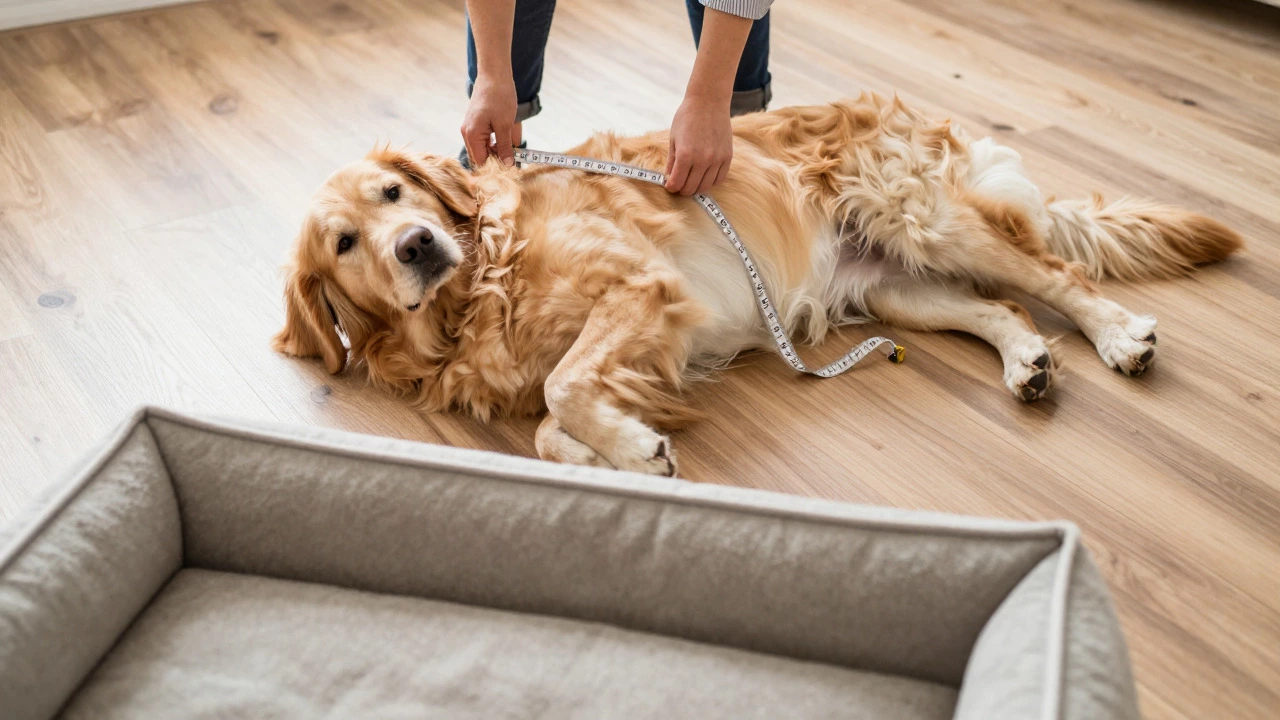
- Measure your dog: Lay them down comfortably. Measure from the tip of their nose to the base of their tail. Add 10-15% to this length for movement space.
- Check the weight capacity: Many cheap beds list a max weight of 30kg (66 lbs). If you have a 40kg (88 lbs) Labrador, that bed will sag immediately.
- Consider the sleeping style: Does your dog sprawl out fully? Or do they curl into a tight ball?
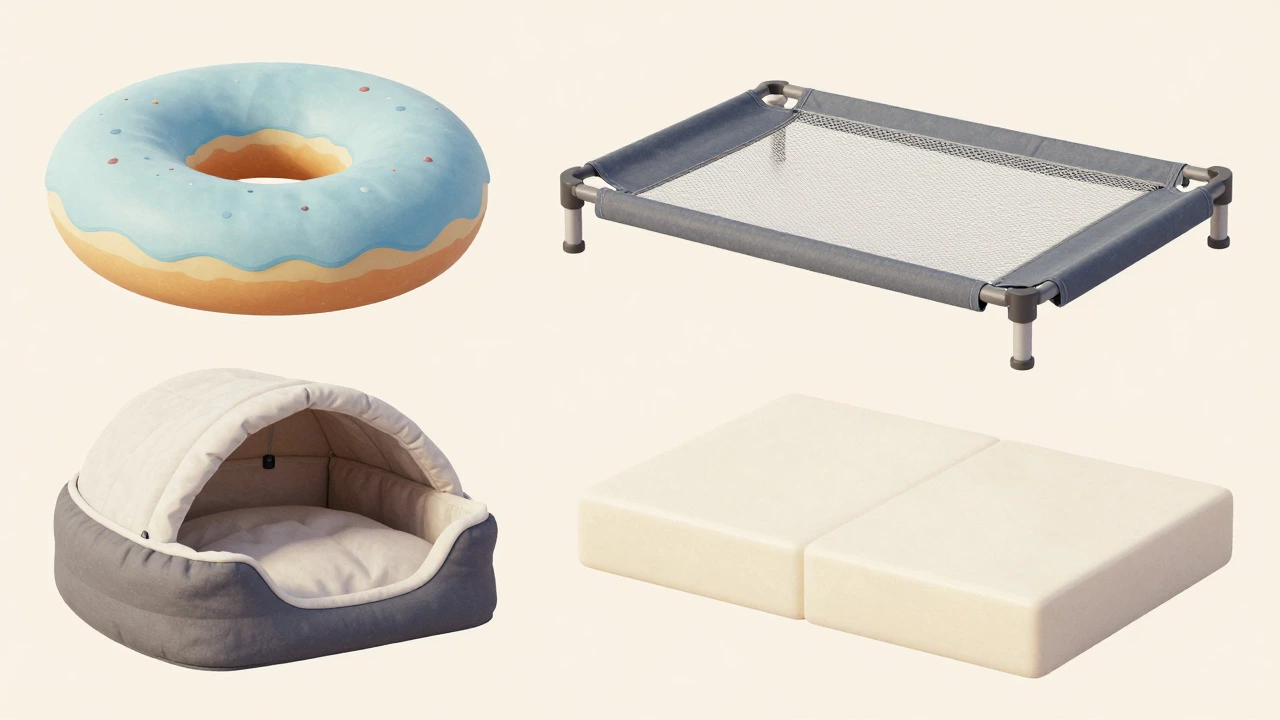
If your dog sprawls, you need a large rectangular or oval bed. If they curl, a round donut-style or cave bed might be more comforting. For giant breeds like Newfoundlands, a standard "Large" bed is often too small; look for "Extra Large" or custom sizes.
Orthopedic vs. Standard Foam: What’s the Difference?
"Orthopedic" is a marketing term, not a medical certification. However, it generally refers to high-density memory foam or latex cores that resist compression over time.
Standard foam is soft and affordable. It works well for young, healthy dogs who sleep mostly on their backs or sides without joint issues. But as dogs age, cartilage wears down. High-density foam (usually 4-5 pounds per cubic foot) provides firm support that keeps the spine aligned. This is crucial for breeds predisposed to joint problems, such as Dachshunds (spine issues) or Rottweilers (hip issues).
| Bed Type | Best For | Key Feature | Price Range (NZD) |
|---|---|---|---|
| Orthopedic Memory Foam | Seniors, Arthritis, Large Breeds | Firm support, pressure relief | $150 - $350 |
| Bolster/Donut | Anxious Dogs, Curlers | Head support, security | $80 - $200 |
| Elevated Cot | Hot Climates, Shedding Dogs | Airflow, easy cleaning | $50 - $120 |
| Cave/Enclosed | Puppies, Shy Dogs | Warmth, protection | $60 - $150 |
Material Choices: Durability and Allergies
The cover material matters as much as the fill. Cotton blends are breathable but can hold moisture if your dog gets wet. Fleece is warm but traps heat, making it unsuitable for dogs that run hot or live in warmer regions like Northland, New Zealand.
If your dog has allergies, look for hypoallergenic fabrics like microfiber or bamboo viscose. These materials resist dust mites and mold better than thick wool or heavy cottons. Also, consider the zipper mechanism. A hidden zipper prevents chewers from ripping the bed open, while a visible zipper makes washing easier.
For chewers, durability is key. Heavy-duty canvas or ripstop nylon covers withstand teeth better than delicate velvets. If your dog destroys everything, an elevated cot is often the safest bet because there’s nothing to chew-just mesh fabric.
Placement and Environment Tips
Where you put the bed changes what kind of bed you need. If the bed is on a hard tile floor, you need extra insulation. An orthopedic foam bed helps here, but adding a rug underneath adds another layer of warmth.
If the bed is in a high-traffic area, choose a washable, stain-resistant cover. Accidents happen. A quick machine-wash cycle should restore the bed to fresh-smelling condition. Avoid beds with non-removable covers unless they are waterproof, as these are difficult to clean thoroughly.
Common Mistakes to Avoid
- Buying too small: A dog that has to fold their legs tightly to fit will develop muscle tension. Always err on the side of larger.
- Ignoring the wash label: Some foam cores degrade if washed in hot water. Always follow manufacturer instructions.
- Assuming all "orthopedic" beds are equal: Check the foam density. Low-density foam labeled "orthopedic" may not offer real support.
- Neglecting rotation: Like human mattresses, dog beds flatten where the dog sleeps most. Rotate the bed 180 degrees monthly to extend its life.
FAQ
How often should I replace my dog's bed?
Generally, every 1-2 years for standard beds and 3-5 years for high-quality orthopedic foam. Replace it sooner if the foam no longer bounces back after being pressed, or if the cover is torn and losing fill.
Is an elevated cot good for cold weather?
Not usually. Elevated cots allow air to circulate, which is great for summer but can be chilly in winter. If you live in a cold region, use a cot only during warmer months or add a blanket underneath for insulation.
What is the best bed for a dog with anxiety?
Enclosed cave beds or bolster beds with high sides work best. They create a den-like environment that reduces stress by blocking visual distractions and providing head support.
Can I use a human mattress for my dog?
Technically yes, but it’s rarely practical. Human mattresses are too large, hard to clean, and often contain chemicals not tested for pet safety. A dedicated dog bed offers better hygiene and targeted support for canine joints.
How do I stop my dog from dragging their bed around?
This is a natural behavior for many breeds. To manage it, place the bed on a non-slip mat or carpet. You can also try a heavier base or a bed with a non-skid bottom. Alternatively, accept the mess and ensure the floor is easy to vacuum.