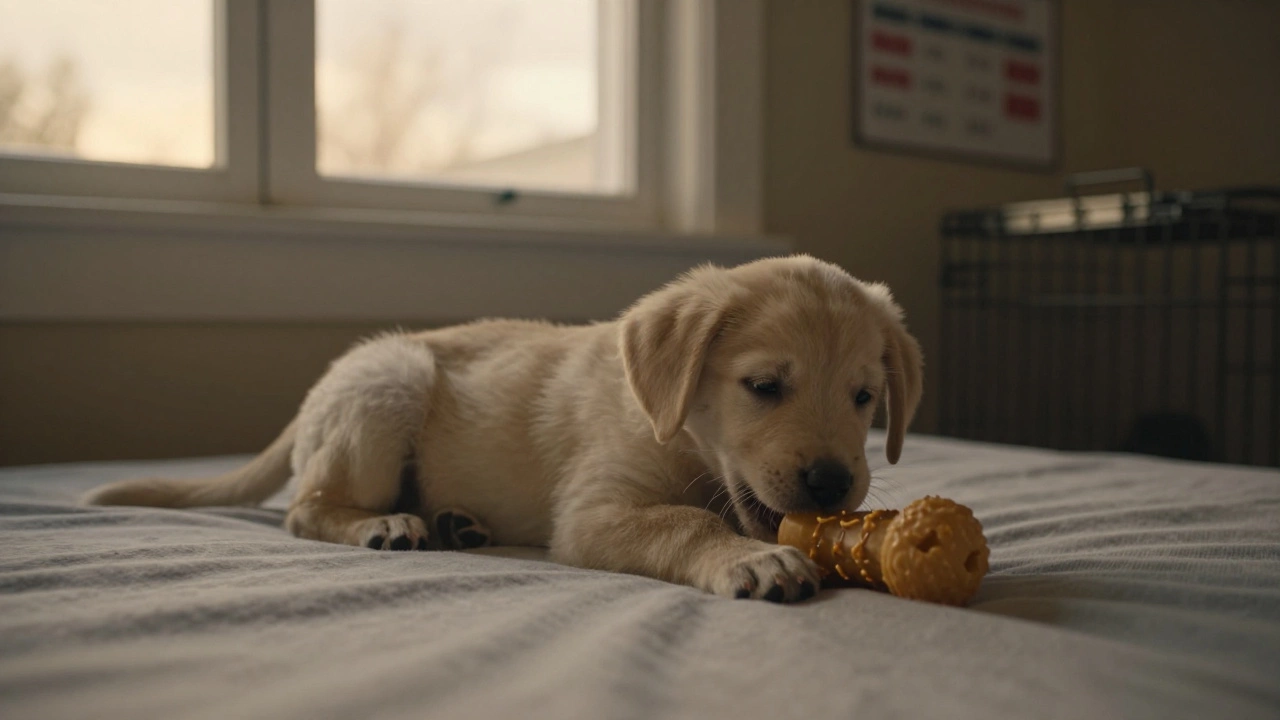
Every new puppy owner wonders the same thing: when will my puppy calm down? You bought the toys, stocked up on treats, and prepared your home for the chaos. But after weeks of midnight zoomies, chewed shoes, and constant barking, you start to wonder if this is normal-or if your puppy will ever just sit still.
The truth? Puppies don’t suddenly turn into calm adult dogs on a specific birthday. There’s no magic age like 6 months or 1 year where everything flips. But there is a pattern most dogs follow, and knowing it can help you prepare, not panic.
Most puppies start to settle between 12 and 18 months
By the time your pup hits their first birthday, you’ll likely notice small changes. The wild, nonstop running around during dinner time? It happens less often. The urge to chew everything in sight? It fades, especially if you’ve given them appropriate outlets. This is when their brain starts catching up to their body. Puppies are born with a lot of energy because evolution designed them to learn fast-play, explore, bite, bark. All of it helps them survive.
But around 12 to 18 months, their prefrontal cortex-the part of the brain that controls impulses-starts maturing. This is when you’ll see real shifts. They’ll nap longer. They’ll wait for a treat instead of lunging. They’ll stop barking at every passing car. It’s not instant. Some dogs take until 2 years. Larger breeds often mature slower than small ones. A Great Dane might still be a goofball at 24 months, while a Chihuahua might be chill by 14.
Why your puppy won’t calm down (and what you’re probably doing wrong)
Many owners think their puppy is just "too energetic." But energy isn’t the problem-it’s the lack of structure. Puppies don’t know how to relax because no one taught them. If you’re constantly entertaining them, chasing them, or reacting to every bark, you’re training them to be hyper.
Think of it like this: a toddler who gets candy every time they scream will keep screaming. A puppy who gets attention (even scolding!) every time they jump or bark will keep doing it. You’re not being mean-you’re just giving them the wrong feedback.
Here’s what actually works:
- Teach "settle" or "chill" cues. Say the word calmly, point to their bed, and wait. Reward the moment they lie down-even if it’s just for 3 seconds.
- Use puzzle toys and snuffle mats. These tire them out mentally, which is more effective than physical play.
- Build a routine. Puppies thrive on predictability. Feed, walk, play, nap, repeat. When they know what comes next, they stop stressing.
- Don’t over-exercise. A 10-minute walk twice a day is better than one hour of chaotic running. Too much play = too much stress.
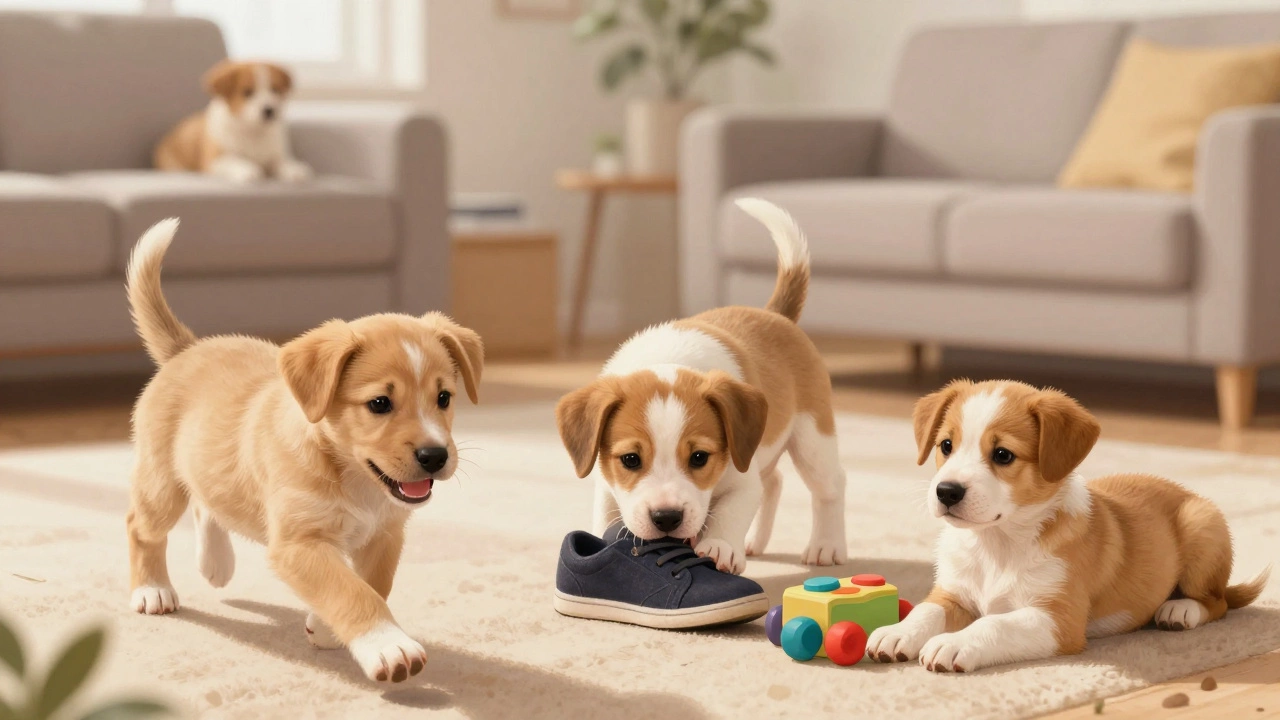
How puppy toys fit into the calm-down process
You asked about puppy toys, and they matter more than you think. Not all toys are created equal. A cheap squeaky toy might give 10 seconds of excitement, then get tossed aside. But a durable chew toy that dispenses treats? That’s a 20-minute focus session.
Here’s what to look for:
- Slow-feed puzzle toys: These force your pup to work for food. It slows them down mentally and physically. Brands like Kong Wobbler or Outward Hound Hide-A-Squirrel work well.
- Chew-safe rubber toys: Look for ones labeled "for power chewers" if your pup is a destroyer. Nylabone DuraChew or Benebone Real Flavor are tough enough to last.
- Freeze-filled toys: Stuff a Kong with peanut butter and freeze it. A frozen treat takes 30+ minutes to finish. Perfect for naptime.
These aren’t just distractions-they’re training tools. They teach patience, focus, and self-soothing. A puppy chewing on a Kong in the corner is a puppy learning to calm themselves. That’s the goal.
When to worry: Signs your puppy isn’t just being a puppy
Most hyperactivity is normal. But if your dog is still:
- Constantly pacing or circling at 2 years old
- Showing aggression when touched or corrected
- Unable to focus for more than 10 seconds, even with treats
- Not sleeping through the night at 18 months
It might be more than energy. Talk to your vet. Some dogs have anxiety, thyroid issues, or even rare neurological conditions. A simple blood test can rule out medical causes.
Also, breeds matter. Herding breeds (Border Collies, Australian Shepherds) are wired to work. They need jobs-not just walks. Without mental challenges, they’ll invent their own. That means chasing shadows, barking at leaves, or digging holes. Give them a job: fetch, agility, scent games. It’s not about calming them down-it’s about redirecting their drive.
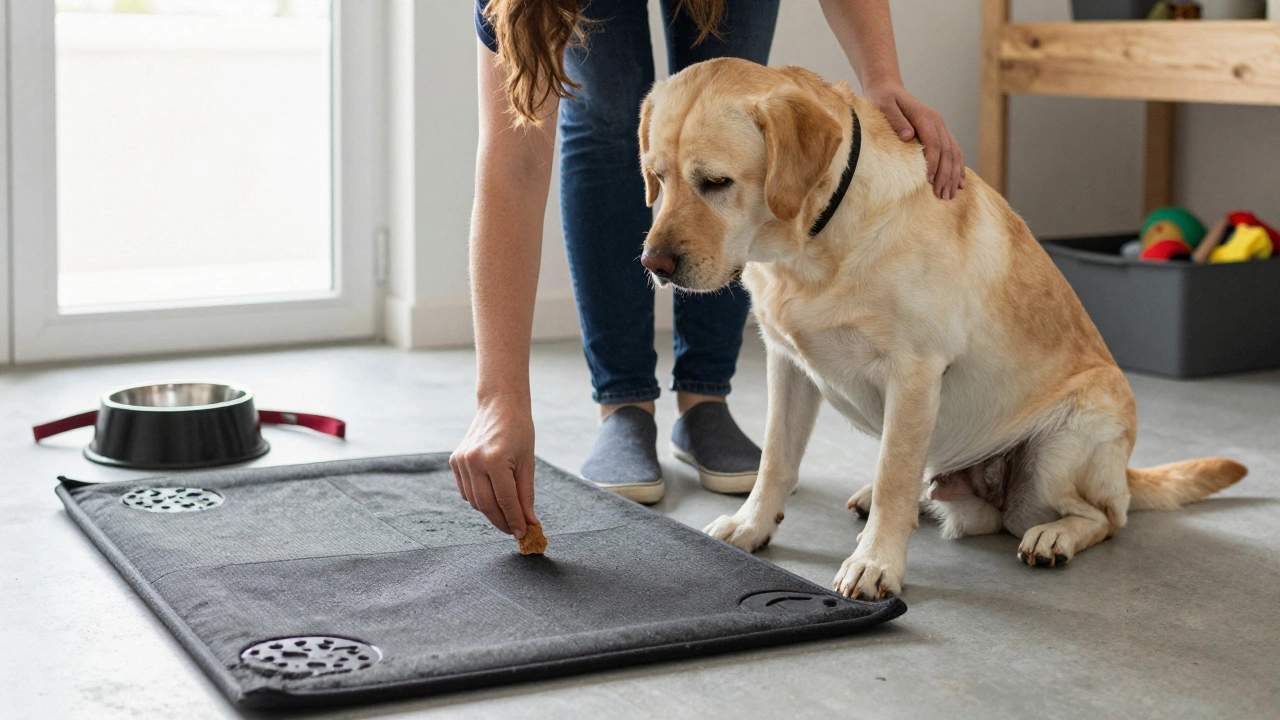
What to expect at different ages
Here’s a realistic timeline most owners see:
- 8-16 weeks: Peak of chaos. Everything is new. Sleeps 18-20 hours a day, but when awake? Pure zoomies.
- 4-6 months: Teething phase. Chewing spikes. Energy is still high. This is when many owners give up-because they think it’ll never change.
- 7-12 months: Adolescent stage. Like a teenager. Testing limits. Might ignore commands. Still very energetic.
- 12-18 months: First real signs of calm. Naps get longer. Barking drops. Starts choosing quiet spots.
- 18-24 months: Most dogs settle into adult behavior. They still have energy, but now they know how to manage it.
There’s no rush. You’re not failing if your 10-month-old puppy still jumps on guests. You’re just in the middle of the process.
What helps the most: Routine, not rules
Don’t try to force calmness. Build it. Start with small wins. A 5-minute quiet time in their crate with a frozen Kong. A 10-minute walk before bed. A consistent bedtime. Over time, your puppy learns that calm moments are safe, predictable, and rewarded.
And remember: you’re not raising a dog-you’re raising a person. They need guidance, not punishment. They need space, not constant control. The more you give them structure, the more they’ll give you peace.
Do all puppies calm down eventually?
Yes, almost all puppies will calm down as they mature. The timing varies by breed, size, and individual temperament. Most settle between 12 and 24 months. However, some high-energy breeds like Border Collies or Jack Russells may always have bursts of energy-they just learn to channel it better. Without proper training or mental stimulation, a dog may never learn to relax, so structure is key.
Can I train my puppy to be calmer?
Absolutely. Training isn’t about stopping energy-it’s about teaching control. Use cues like "settle," "wait," and "go to your mat." Reward calm behavior with treats or petting. Puzzle toys and quiet time in their crate help build self-soothing skills. Consistency matters more than intensity. Five minutes of calm training every day beats one hour of yelling.
Is my puppy too hyper because of the toys I’m giving them?
It’s possible. Squeaky, fast-moving toys can overstimulate puppies and make them more excitable. If your pup gets wild after playing with those toys, switch to slow, puzzle-based toys that require focus. A frozen Kong or treat-dispensing ball gives them something to work for, which burns energy without triggering frenzy. Avoid toys that encourage chasing or biting your hands.
How much sleep should a puppy get?
Puppies need 18 to 20 hours of sleep per day, especially under 6 months. That’s not laziness-it’s growth. If your puppy is awake and hyper all day, they might not be getting enough rest. Make sure they have a quiet, dark, comfortable space to nap. Overstimulation leads to exhaustion, which makes them more reactive. Sleep is the foundation of calm behavior.
Will spaying or neutering make my puppy calmer?
It might reduce some behaviors like marking or roaming, but it won’t fix energy or hyperactivity. The main drivers of puppy energy are age, breed, and mental stimulation-not hormones. Spaying or neutering is great for health and population control, but don’t expect it to turn your puppy into a couch potato. Focus on training and routine instead.
If you’ve been waiting for your puppy to calm down, you’re not alone. The shift doesn’t happen overnight. But with the right tools-routine, mental challenges, and patience-you’ll see it. Not because they changed. But because you finally learned how to help them.