NC Dog Breeder Regulation Checker
Enter the details below to determine if a facility falls under the jurisdiction of the North Carolina Department of Agriculture and Consumer Services (NCDA&CS).
How it Works
Under the NC Commercial Kennel Act, facilities housing more than 10 dogs intended for sale or breeding are subject to strict state regulations and inspections.
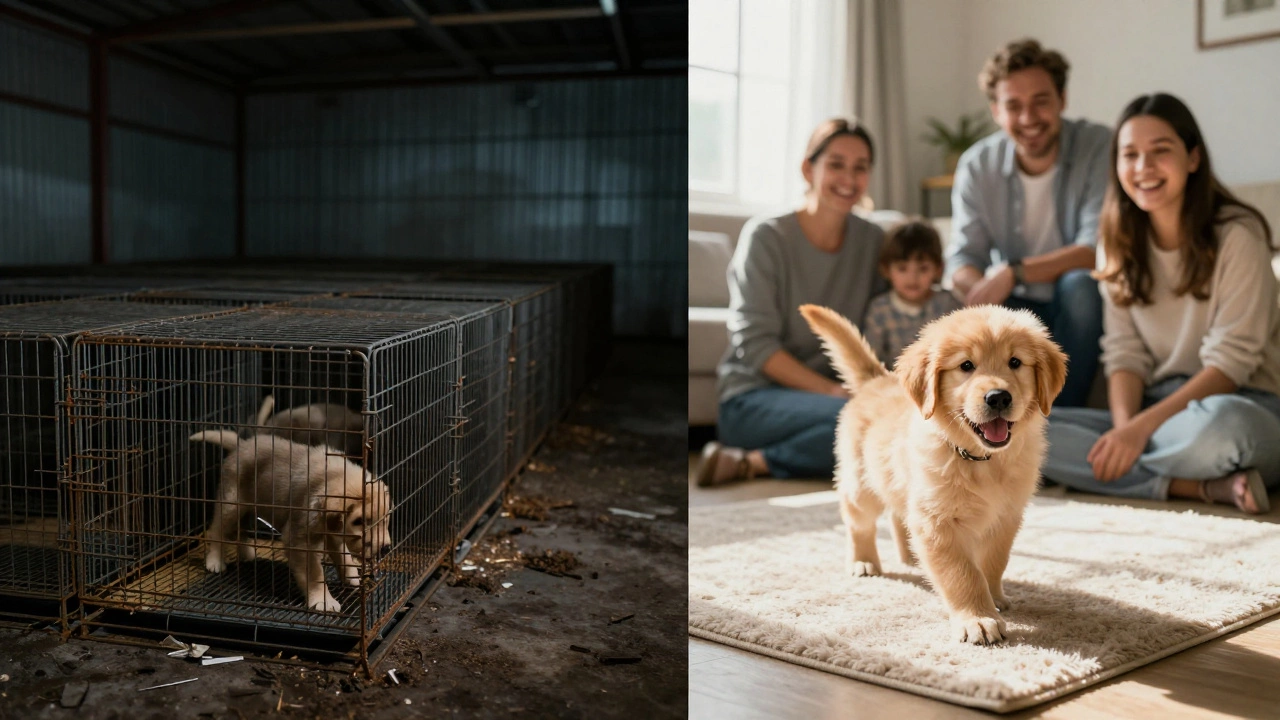
Imagine finding the perfect golden retriever online. The price is low, the photos are cute, and they promise delivery right to your doorstep. It sounds like a dream for anyone looking to add a furry friend to their family. But before you click "buy," you need to know where that dog actually comes from. For many residents in North Carolina, the question isn't just about finding a pet; it's about avoiding the dark side of the pet trade.
You might be asking yourself: are puppy mills illegal in NC? The short answer is complicated. While there is no single law that explicitly bans all commercial breeding operations labeled as "puppy mills" across the entire state, North Carolina has enacted specific regulations targeting large-scale commercial kennels. Understanding these laws is crucial if you want to ensure your new companion comes from a safe, healthy, and legal environment.
The Reality of Commercial Breeding in North Carolina
To understand the legality, we first have to define what we are talking about. A puppy mill is not just a small backyard breeder with too many dogs. It refers to high-volume commercial breeding facilities where profit takes precedence over animal welfare. In these places, dogs are often kept in cramped cages, lack proper veterinary care, and are bred continuously without rest.
In North Carolina, the landscape of dog breeding changed significantly in recent years. Historically, the state was considered a hub for these operations due to lax enforcement and minimal oversight. However, public outcry and advocacy groups pushed for change. This led to the passage of specific legislation aimed at curbing the worst abuses associated with industrial-scale breeding.
North Carolina’s Specific Laws on Commercial Kennels
The key piece of legislation you need to know about is the North Carolina Commercial Kennel Act. This law does not ban breeding entirely, but it places strict requirements on facilities that meet certain criteria. Specifically, it targets kennels that house more than 10 dogs intended for sale or breeding purposes.
If a facility falls under this definition, it must register with the state. They are subject to inspections by the North Carolina Department of Agriculture and Consumer Services (NCDA&CS). These inspections check for basic standards of care, including adequate space, shelter, food, water, and veterinary attention. If a kennel fails to meet these standards, they can face fines, suspension of their license, or even closure.
However, here is the catch: the law primarily applies to commercial kennels. Small-scale breeders who keep fewer than 10 dogs may fall through the cracks, operating without the same level of scrutiny. This creates a gray area where unethical practices can still occur, even if they aren't technically classified as large-scale commercial mills under the current statute.
| Operation Type | Regulation Level | Typical Conditions | Legality Status |
|---|---|---|---|
| Large Commercial Kennel (>10 dogs) | High (State Inspected) | Varies; legally required to meet minimums | Legal if compliant |
| Small Backyard Breeder (<10 dogs) | Low (Minimal Oversight) | Often poor, unregulated | Legal unless violating local ordinances |
| Puppy Mill (Abusive) | Varies by size | Cruelty, neglect, overcrowding | Illegal if violating cruelty laws or commercial act |
Federal Protections: The Animal Welfare Act
It’s important to remember that North Carolina doesn’t operate in a vacuum. Federal laws also play a role. The Animal Welfare Act (AWA), enforced by the United States Department of Agriculture (USDA), sets baseline standards for the treatment of animals in commerce. Any breeder who sells puppies to pet stores or directly to the public via interstate commerce must be licensed by the USDA.
This means that even if a North Carolina breeder operates below the state’s threshold of 10 dogs, if they sell puppies across state lines, they must comply with federal regulations. These include requirements for housing, handling, sanitation, and transportation. Violations of the AWA can result in significant penalties and seizure of animals.
However, enforcement can be inconsistent. Inspections are often announced in advance, giving operators time to hide poor conditions. Additionally, the AWA does not cover all aspects of animal welfare, such as emotional well-being or exercise, which are critical components of a happy, healthy dog.
Why Buying from a Mill Hurts You and the Dog
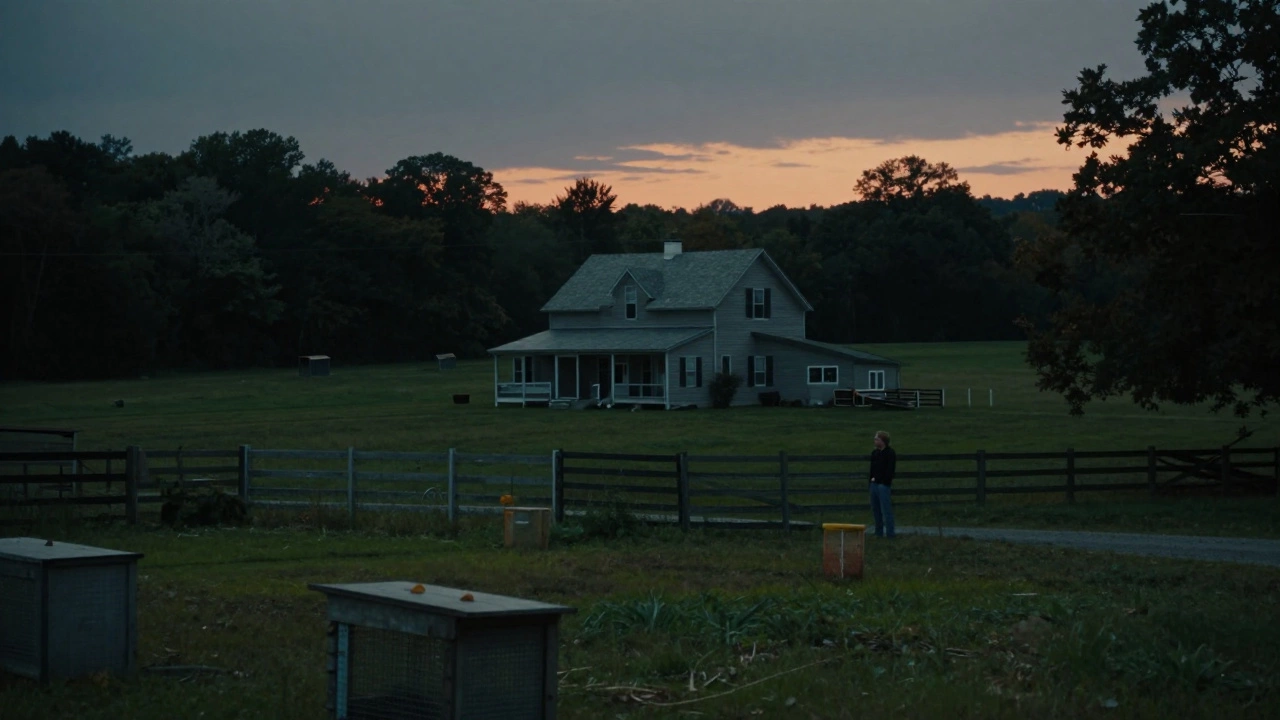
Understanding the legality is one thing, but understanding the impact is another. When you buy a puppy from a mill, you’re not just supporting a business; you’re funding a cycle of neglect. Dogs from these facilities often suffer from chronic health issues, behavioral problems, and shortened lifespans.
Common health problems include genetic disorders, respiratory infections, and digestive issues. Behavioral issues are equally prevalent. Puppies raised in isolation or stressful environments often struggle with socialization, leading to fearfulness, aggression, or anxiety later in life. This means higher vet bills, more training challenges, and a less rewarding relationship with your pet.
Furthermore, puppy mills contribute to the overpopulation crisis. Millions of adoptable dogs languish in shelters across North Carolina and the country, many of whom are euthanized simply because there isn’t enough room. By choosing to buy from a mill, you’re taking a spot away from a dog that needs a home.
How to Spot a Red Flag Breeder
Not every breeder is a mill, but not every breeder is ethical either. Learning to distinguish between the two is essential for responsible ownership. Here are some red flags to watch out for:
- No Home Visits Allowed: Ethical breeders want you to see where the puppies live. If they refuse to let you visit their facility or only show you a clean corner, be wary.
- Puppies Available Immediately: Responsible breeders usually have a waiting list. They carefully screen buyers and match puppies to homes based on temperament and lifestyle.
- Multiple Breeds Available: A reputable breeder typically specializes in one or two breeds. If you see dozens of different breeds available at once, it’s likely a commercial operation.
- Lack of Health Testing: Ethical breeders test their breeding stock for genetic diseases common to the breed. Ask for documentation of these tests.
- Selling Online Without Screening: If you can buy a puppy with a credit card and no questions asked, it’s probably not a good sign.
Alternatives to Buying: Adoption and Rescue
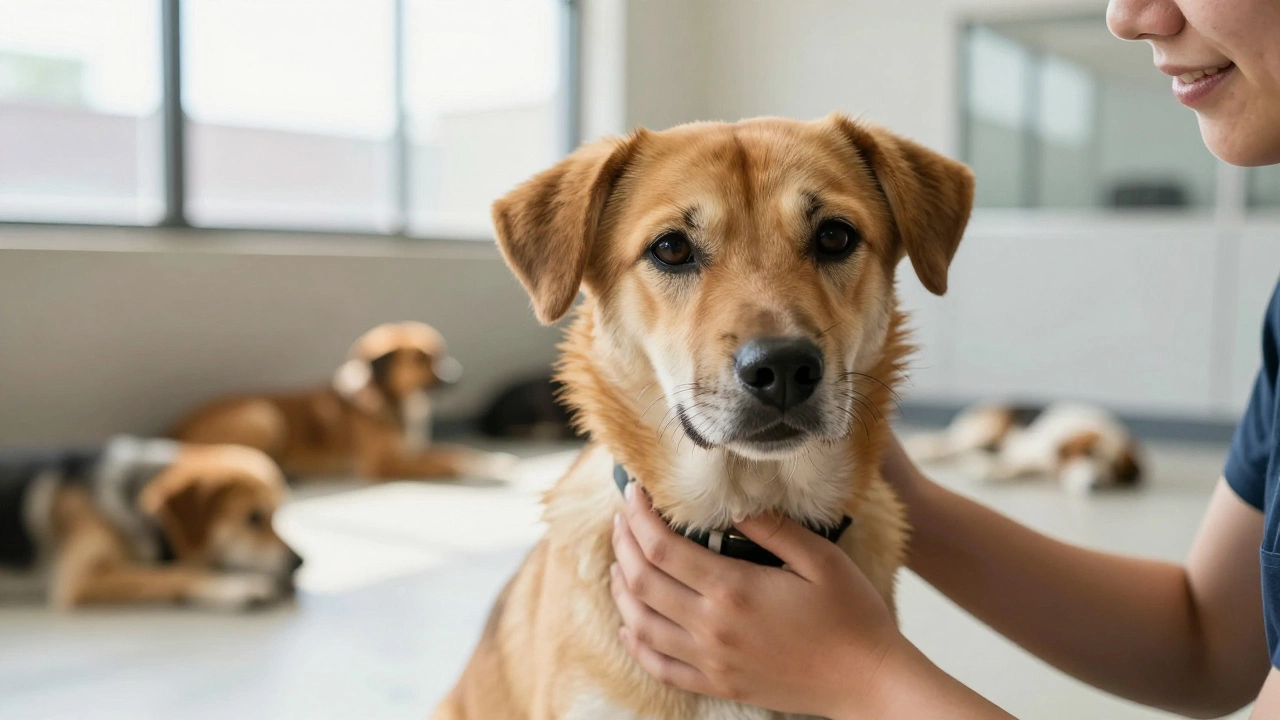
If you’re concerned about supporting puppy mills, consider adoption. North Carolina has numerous rescue organizations dedicated to saving dogs from abusive situations, including those rescued from mills. Groups like the Humane Society of North Carolina and various breed-specific rescues work tirelessly to rehabilitate these animals and find them loving homes.
Adopting a dog offers several benefits. You save a life, support a non-profit organization, and often get a dog that has already been spayed/neutered, vaccinated, and microchipped. Many adult dogs in shelters are already house-trained and have known temperaments, making them easier to integrate into your family.
Even if you’re set on having a puppy, look for breed-specific rescues. They often have puppies available, especially those surrendered due to owner relocation or inability to care for them. These puppies come from known backgrounds and are much safer bets than those from unknown sources.
What You Can Do to Help
As a consumer, your choices matter. Every dollar spent supports a practice. By choosing to adopt or buy from an ethical breeder, you send a message that animal welfare matters. Here are some steps you can take:
- Educate Yourself: Learn about the signs of puppy mills and the importance of ethical breeding.
- Support Legislation: Advocate for stronger laws against commercial breeding and better enforcement of existing ones.
- Spread Awareness: Share information with friends and family about the dangers of buying from mills.
- Volunteer or Donate: Support local rescue organizations that help victims of puppy mills.
- Report Suspected Abuse: If you suspect a puppy mill or animal cruelty, report it to the NCDA&CS or local animal control.
Conclusion: Making the Right Choice
So, are puppy mills illegal in NC? The answer depends on the scale and nature of the operation. Large commercial kennels are regulated, but smaller operations may slip through the net. Regardless of the technical legality, the ethical implications are clear. Supporting puppy mills perpetuates suffering and contributes to a broken system.
By choosing to adopt or purchase from a verified, ethical breeder, you’re not just getting a pet; you’re making a stand for compassion and responsibility. Your decision can change the life of a dog and help push the industry toward greater accountability. Take the time to research, ask questions, and trust your instincts. Your future companion deserves nothing less.
Is it illegal to own a puppy mill in North Carolina?
Owning a puppy mill is not automatically illegal in North Carolina, but large-scale commercial kennels (housing more than 10 dogs) must register with the state and comply with the North Carolina Commercial Kennel Act. Failure to meet inspection standards can lead to fines or closure. Smaller operations may not be subject to the same strict regulations.
Where can I report a suspected puppy mill in NC?
You can report suspected puppy mills or animal cruelty to the North Carolina Department of Agriculture and Consumer Services (NCDA&CS). You can also contact local animal control agencies or humane societies. Providing detailed information, such as addresses and descriptions of conditions, helps investigators take action.
How do I find an ethical breeder in North Carolina?
Look for breeders who specialize in one or two breeds, allow home visits, provide health testing documentation, and screen potential buyers thoroughly. They should be members of breed clubs and prioritize the well-being of their dogs over profit. Avoid anyone selling puppies online without screening or offering multiple breeds at once.
Are there any federal laws regulating puppy mills?
Yes, the Animal Welfare Act (AWA) enforced by the USDA regulates breeders who sell pets across state lines or to pet stores. These breeders must be licensed and inspected for compliance with standards for housing, handling, and transportation. However, enforcement can vary, and not all aspects of animal welfare are covered.
Why is adopting a dog better than buying from a breeder?
Adopting saves a life, supports non-profit rescues, and often provides a dog that is already spayed/neutered, vaccinated, and microchipped. Many shelter dogs are adult and have known temperaments, making them easier to integrate into your home. It also helps reduce the demand for commercial breeding operations.