Dog Egg Feeding Calculator
Enter your dog's details to see safe egg amount
Many dog owners wonder if eggs are a healthy treat for their pets. It’s a simple question with a complicated answer. The truth? Eggs can be great for dogs - but only if you know how to serve them right. Too many people hear "eggs are good for you" and assume that means they’re automatically safe for dogs. That’s where things go wrong.
What’s in an egg that matters for dogs?
An egg isn’t just protein. It’s a full package: high-quality animal protein, healthy fats, vitamins like A and D, riboflavin, selenium, and even choline - a nutrient that supports brain function. For dogs, this means better coat shine, stronger muscles, and improved energy levels. A single large egg has about 6 grams of protein and 5 grams of fat, mostly from the yolk. That’s not a lot, but for small dogs or those on homemade diets, it adds up.
Studies from the Journal of Animal Physiology and Animal Nutrition in 2023 found that dogs fed cooked eggs as 10% of their daily calories showed improved skin and coat condition within four weeks. No supplements. Just plain eggs. That’s real, measurable benefit.
Can dogs eat raw eggs?
This is the biggest debate. Some people swear by raw eggs. Others say it’s dangerous. The truth? It’s risky - but not because of salmonella.
Dogs have shorter digestive tracts than humans. They handle bacteria like Salmonella and E. coli better. So the risk of food poisoning? Low. But there’s another issue: avidin.
Avidin is a protein in raw egg whites that binds to biotin (vitamin B7), making it unusable. Over time, feeding raw eggs daily can lead to a biotin deficiency. Signs? Dry skin, hair loss, weak nails. It doesn’t happen fast. You’d need to feed several raw eggs every day for months. But if you’re already feeding a homemade diet with limited variety, even small amounts can add up.
Here’s the fix: cook the egg. Heat destroys avidin. No risk. No guesswork. And you still get all the nutrients.
How many eggs can a dog eat?
Size matters. A Great Dane doesn’t need the same amount as a Chihuahua.
- Small dogs (under 10 lbs): 1 egg per week
- Medium dogs (10-50 lbs): 1-2 eggs per week
- Large dogs (over 50 lbs): 2-3 eggs per week
Don’t give eggs every day. Even healthy foods can throw off balance if overused. Think of eggs as a supplement, not a staple. One egg is about 70 calories. For a 20-pound dog, that’s nearly 10% of their daily intake. Too much and you’re replacing balanced meals with snacks.
How to serve eggs to dogs
Boiled or scrambled? Yes. Fried? No. Seasoned? Never.
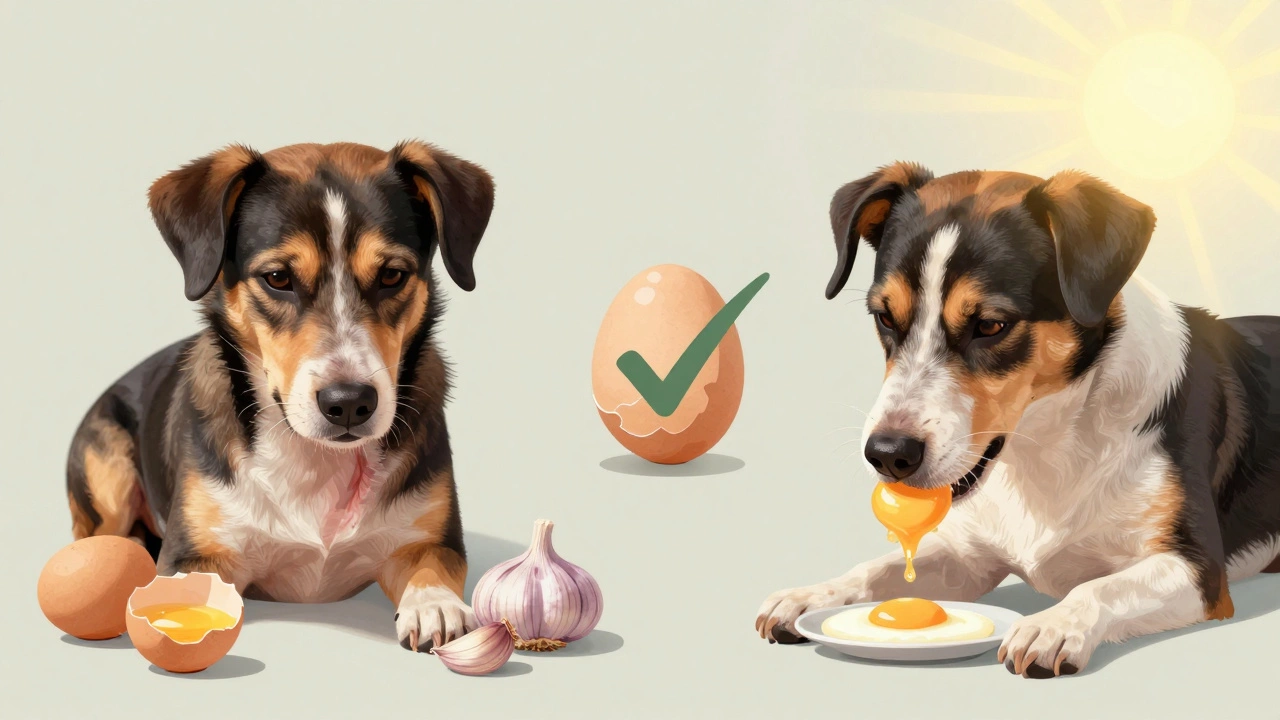
Plain cooked eggs are best. No butter, no oil, no salt, no garlic, no onions. Those are the real dangers - not the egg itself. Garlic and onions are toxic to dogs. Even a little can cause anemia. Salt? It’s unnecessary and can lead to dehydration or sodium poisoning in small breeds.
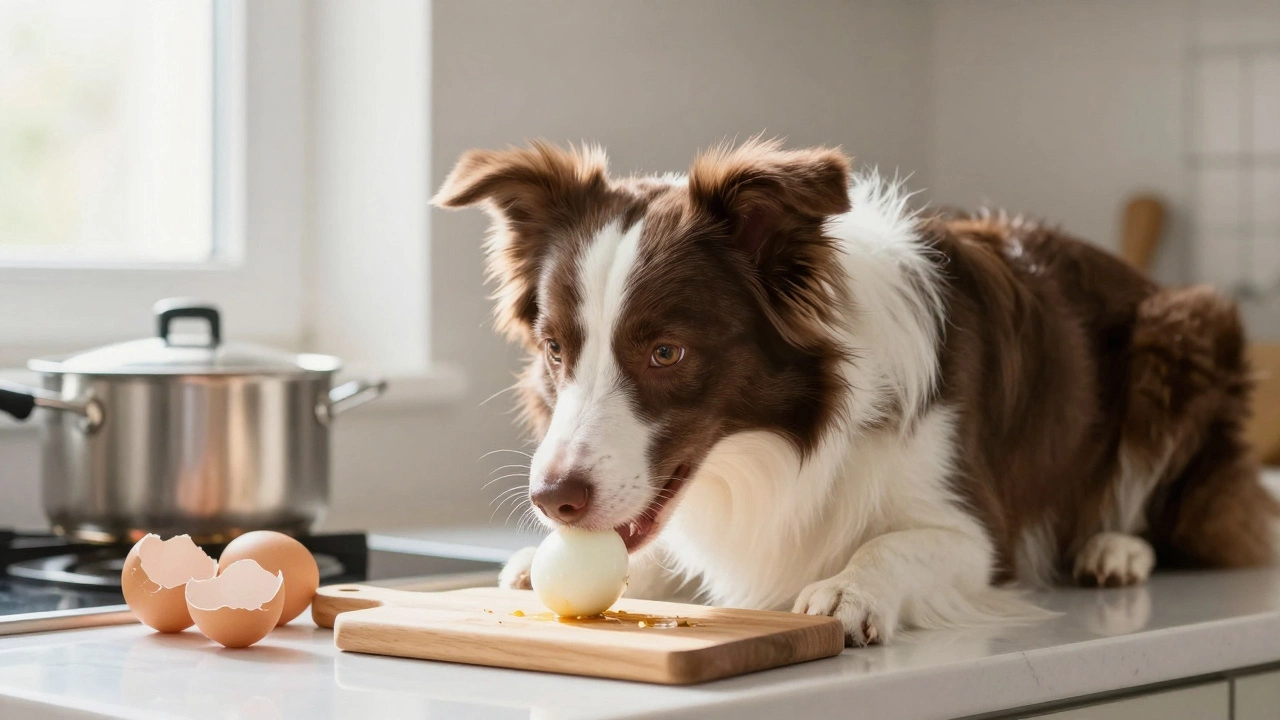
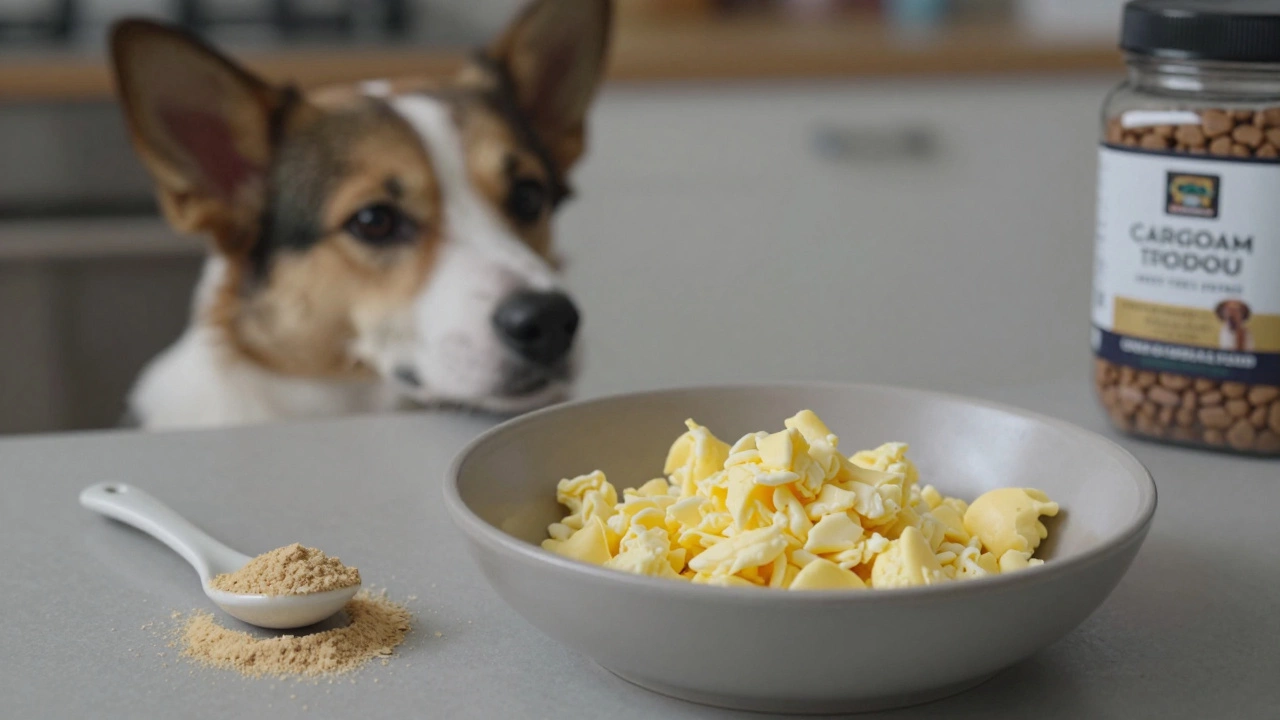
Boiling is the easiest method. Put the egg in cold water, bring to a boil, then simmer for 9 minutes. Cool, peel, and chop. Scrambled works too - just use a nonstick pan with no added fat. Let it cool before serving.
Never give raw shells. They’re hard to digest and can cause internal scratches. Crushed, cooked shells? That’s fine. They’re a source of calcium. But only if ground fine and mixed into food - not given whole.
When eggs are a bad idea
Not all dogs should eat eggs. Here are the red flags:
- History of pancreatitis - eggs are fatty. Too much fat can trigger flare-ups.
- Known egg allergy - signs include itching, vomiting, diarrhea, ear infections. Try one egg and watch for 48 hours.
- Diabetic dogs - eggs are low-carb, so that’s good. But if they’re on insulin, sudden changes in diet can mess with blood sugar. Talk to your vet first.
- Obese dogs - eggs add calories. If your dog needs to lose weight, skip them or cut portions.
If your dog has never had eggs, start with a quarter of a cooked egg. Wait two days. If there’s no reaction, slowly increase. Allergies don’t always show up right away.
Eggs vs. commercial dog food
Eggs aren’t a replacement for balanced dog food. They’re a boost. High-quality commercial kibble or wet food already contains all the nutrients a dog needs - including biotin, choline, and protein. Adding eggs on top can help, especially if your dog has dull fur or low energy. But don’t use eggs to fix a diet that’s already poor.
Some homemade diets use eggs as a protein source. That’s fine - if you’re balancing the rest of the meal with vegetables, grains, and supplements. A dog needs calcium, zinc, and other minerals that eggs don’t provide. If you’re making your own food, consult a veterinary nutritionist. Don’t guess.
Real-world example: A Wellington dog owner’s story
In Wellington, a 7-year-old Border Collie named Luna started losing patches of fur. Her owner switched to a grain-free kibble, then tried raw food. Nothing helped. Then she started adding one boiled egg every three days. Within three weeks, her coat thickened. The itching stopped. No medication. No expensive supplements. Just a simple change.
Luna’s case isn’t unique. Many dogs respond to nutrient-dense whole foods like eggs. But it only works when done right.
What about eggshells?
Some people crush eggshells and sprinkle them on food as a calcium source. That’s not a bad idea - if done correctly. One large eggshell contains about 800 mg of calcium. For a 30-pound dog, that’s more than their daily requirement. Too much calcium can cause bone issues, especially in growing puppies.
If you want to use eggshells:
- Boil the shells for 10 minutes to kill bacteria.
- Dry them completely in the oven at 200°F for 10 minutes.
- Grind them into a fine powder using a coffee grinder.
- Use no more than 1/2 teaspoon per week for medium dogs.
For most dogs, this isn’t necessary. Good dog food already has enough calcium. Only consider this if you’re making homemade food and lack other calcium sources.
Final verdict: Are eggs good for dogs?
Yes - if cooked, plain, and given in moderation. Raw eggs? Avoid unless you’re carefully balancing the diet. Eggs are a nutrient-rich, affordable, natural supplement. But they’re not magic. They won’t cure illness, fix allergies, or replace vet care.
Think of them like a vitamin pill made from food. One or two a week can help. Every day? Too much. Raw? Risky. Seasoned? Dangerous. Stick to plain, cooked, and measured. That’s the sweet spot.
Can dogs eat raw eggs?
Dogs can eat raw eggs, but it’s not recommended. Raw egg whites contain avidin, which can block biotin absorption over time, leading to skin and coat problems. While dogs are less likely to get sick from salmonella than humans, the risk still exists. Cooking the egg eliminates both risks and keeps all the nutrients intact.
How many eggs can a dog eat per week?
It depends on size. Small dogs (under 10 lbs) should have one egg per week. Medium dogs (10-50 lbs) can have 1-2 eggs. Large dogs (over 50 lbs) can safely have 2-3. Never give eggs daily. Too many can add excess calories or fat, especially for overweight or inactive dogs.
Are scrambled eggs okay for dogs?
Yes - as long as they’re plain. No butter, oil, salt, garlic, or onions. Cook them in a nonstick pan with water or a splash of broth. Let them cool before serving. Scrambled eggs are just as nutritious as boiled ones, and many dogs find them easier to eat.
Can eggs cause allergies in dogs?
Yes. Egg allergies in dogs aren’t common, but they happen. Signs include itchy skin, ear infections, vomiting, or diarrhea. If you’re introducing eggs for the first time, start with a small amount and watch for 48 hours. If symptoms appear, stop and talk to your vet.
Should I give my dog eggshells for calcium?
Only if you’re feeding a homemade diet and lack other calcium sources. Eggshells are high in calcium - one shell has more than a dog needs in a week. Boil, dry, and grind them into a fine powder. Use no more than 1/2 teaspoon per week for medium dogs. Most commercial dog foods already have enough calcium, so eggshells aren’t necessary.