Dog Feeding Schedule & Health Risk Calculator
Your Dog's Profile
Health Assessment
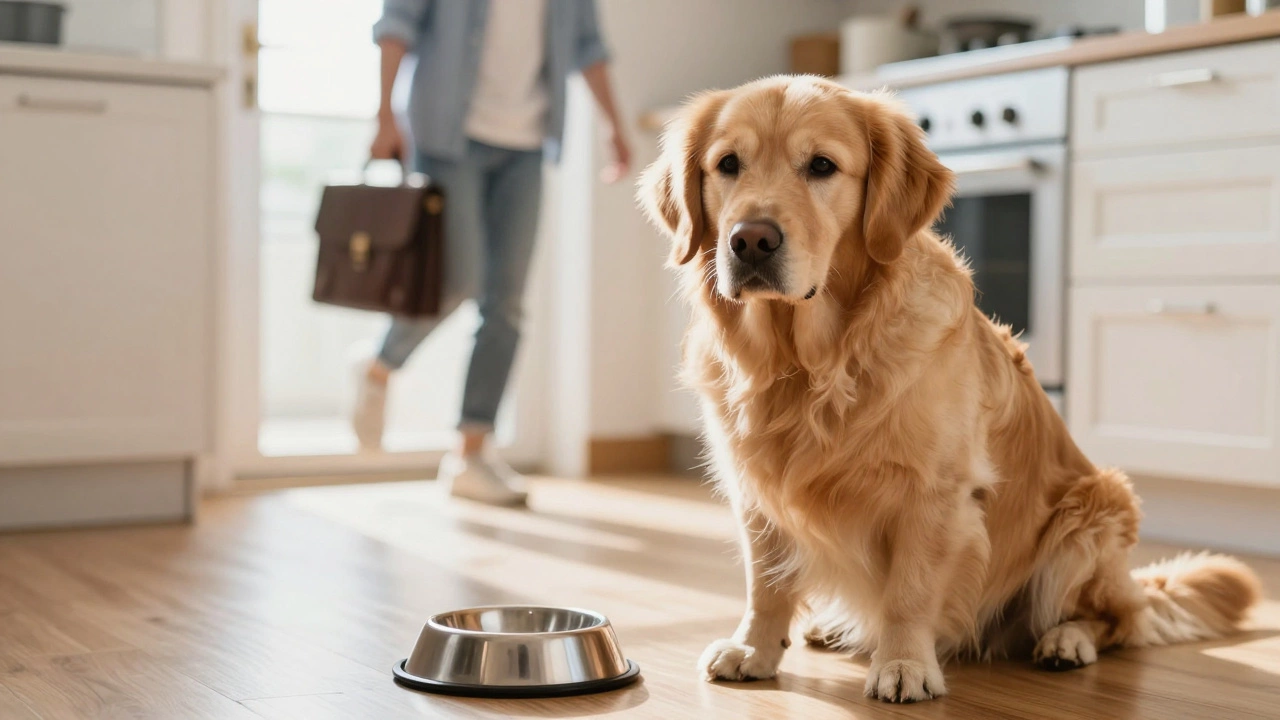
It’s 7:00 AM. You’re rushing out the door for work, and your dog is staring at you with those big, hopeful eyes. You drop a bowl of kibble on the floor, scratch their head, and run out. It seems efficient. One meal a day saves time, right? But here is the hard truth: for most dogs, eating once a day is not just inconvenient-it can be dangerous.
The question "Are dogs OK to eat once a day?" comes up often in owner groups. The short answer is no. While some specific breeds or unique health conditions might tolerate single daily feedings under strict veterinary supervision, the vast majority of dogs thrive on two meals a day. Feeding once a day disrupts blood sugar levels, increases the risk of life-threatening stomach twisting, and leads to behavioral issues like begging and scavenging.
The Biology Behind the Bowl
To understand why one meal isn’t enough, we have to look at how canine digestion works. Unlike humans, who can go long stretches between meals without feeling faint, dogs have faster metabolisms relative to their size, especially when they are young or highly active.
When a dog eats a massive single meal, their body goes into overdrive to process it. This causes a spike in insulin followed by a crash hours later. By bedtime, that same energetic morning pup might be lethargic, shaky, or irritable because their blood glucose has bottomed out. This is called reactive hypoglycemia, and while it’s more common in small breeds and puppies, it affects all dogs.
Furthermore, dogs are biologically wired as opportunistic grazers. In the wild, wolves and stray dogs don’t sit down for a banquet once every 24 hours. They scavenge and eat small amounts throughout the day. When you force a large volume of food into their system at once, you stretch their stomach beyond its comfort zone. This physical stretching triggers hunger signals that last longer than they should, making your dog feel perpetually unsatisfied.
The Silent Killer: Bloat (GDV)
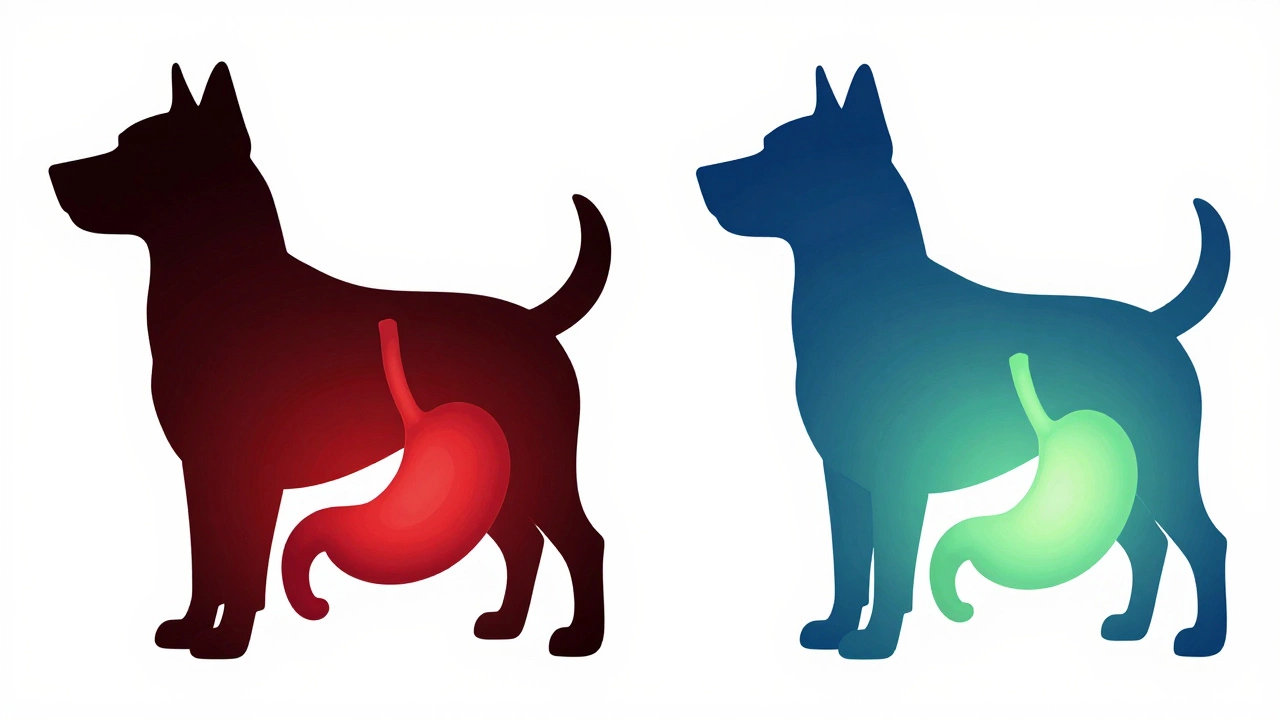
If there is one reason to stop feeding once a day immediately, it is Gastric Dilatation-Volvulus, commonly known as bloat. This is a medical emergency where the stomach fills with gas and twists on itself, cutting off blood flow. It kills dogs within hours if not treated surgically.
Feeding one large meal significantly increases the risk of GDV. A full stomach is heavy and prone to rolling. Large-breed dogs like Great Danes, German Shepherds, and Weimaraners are at the highest risk, but any dog can suffer from it. Studies show that splitting the daily food allowance into two or three smaller meals reduces the incidence of bloat by nearly half. Is saving fifteen minutes in the evening worth risking your dog’s life? Absolutely not.
| Risk Factor | Impact Level | Mitigation Strategy |
|---|---|---|
| Single Large Meal | High | Split into 2-3 meals |
| Eating Quickly | High | Use slow-feeder bowls |
| Exercise After Eating | Critical | Wait 1-2 hours post-meal |
| Deep-Chested Breeds | Inherent | Veterinary monitoring |
Puppies Need More Frequent Meals
If you are asking this question about a puppy, please stop reading and change your routine today. Puppies have tiny stomachs and huge energy demands. They cannot physically hold enough calories in one meal to sustain them for 24 hours.
A puppy’s liver lacks the glycogen stores to maintain stable blood sugar for long periods. Without frequent meals, they can develop fatal hypoglycemia. Here is a standard feeding schedule based on age:
- 6 to 12 weeks old: Four meals a day. Their stomachs are the size of a walnut; they need constant fuel.
- 3 to 6 months old: Three meals a day. As they grow, their capacity increases, but their metabolism remains rapid.
- 6 to 12 months old: Two meals a day. This is the transition period where most dogs settle into their adult rhythm.
Skipping these stages doesn’t make the puppy "tougher." It stunts growth, weakens the immune system, and makes house-training nearly impossible because a puppy will pee wherever they stand if their bladder is too full.
Behavioral Consequences of Once-a-Day Feeding
Beyond health risks, feeding once a day wreaks havoc on your dog’s behavior. Have you ever wondered why your dog begs at the table? Or steals socks? Or becomes anxious when you leave the room?
Hunger is a powerful driver. If your dog eats at 8:00 AM, by 8:00 PM they are twelve hours into a fast. For a human, that’s manageable. For a dog, it’s agony. This prolonged hunger leads to:
- Resource Guarding: When food is scarce, dogs become protective. A once-a-day feeder is more likely to snap at other pets or humans near the bowl.
- Scavenging: Your dog will eat trash, garden plants, or fallen leaves because their survival instinct kicks in.
- Training Resistance: Training relies on food motivation. If your dog is starving, they might focus on the food, but they will also be distracted by smells and noises, trying to find *more* food sources.
Two meals a day keeps your dog satiated, calm, and focused. It turns food from a scarce resource into a reliable part of their daily structure.
Exceptions: When Once-a-Day Might Be Okay
Is there any scenario where one meal is acceptable? Rarely, and only with professional guidance. Some senior dogs with very low activity levels and specific metabolic conditions might do well with a single feeding if their total caloric intake is reduced. However, even then, many veterinarians prefer splitting the portion to ensure nutrient absorption.
Another exception is the "free-feeding" method, where dry kibble is left out all day. This allows the dog to graze naturally. However, this only works for dogs who self-regulate their appetite. Most modern domestic dogs, unfortunately, will eat until they are sick if given the chance. Free-feeding leads to obesity, which is a far greater health risk than occasional hunger.
If you are considering once-a-day feeding due to a busy schedule, consider using an automatic pet feeder. These devices dispense measured portions at set times. You can program it to give half the ration at 7:00 AM and half at 5:00 PM. This solves the logistics problem without compromising your dog’s health.
How to Transition to Twice-Daily Feeding
If you’ve been feeding once a day and want to switch, do it gradually. Sudden changes can cause digestive upset.
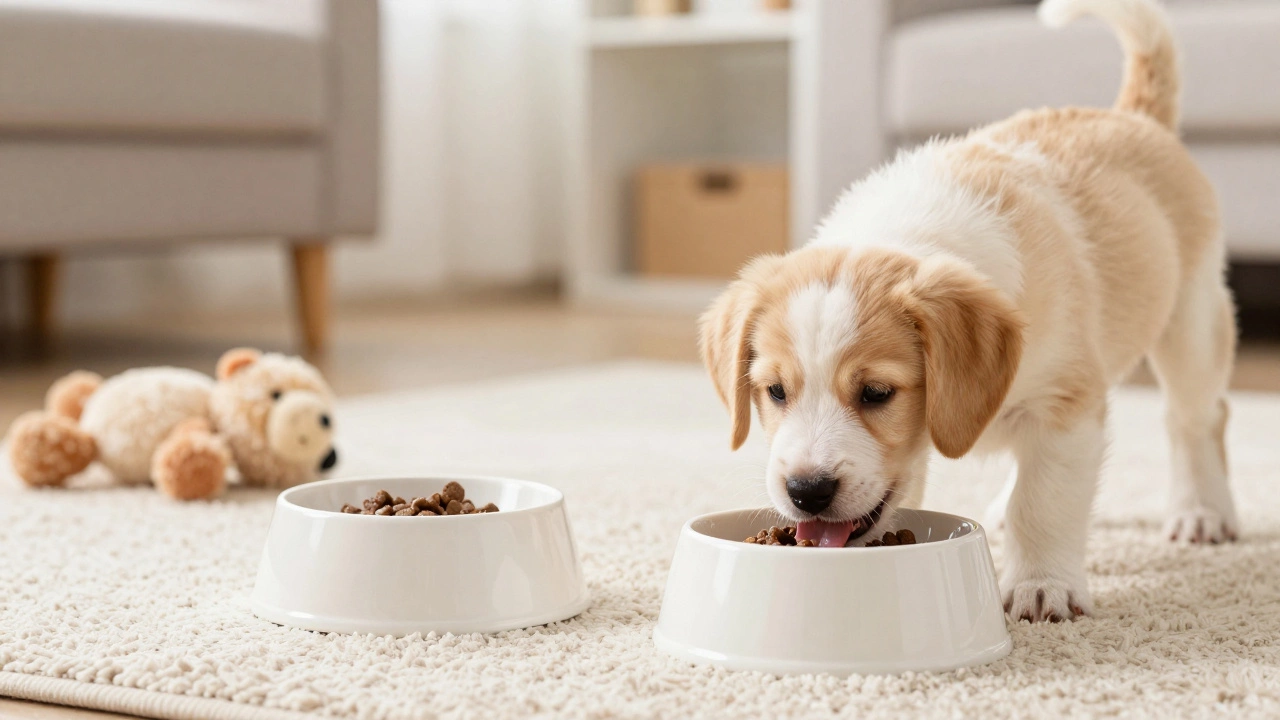
Start by dividing the current daily amount into two equal parts. Offer the first part in the morning. Wait until the evening for the second part. If your dog is too hungry by dinner time, add a few small treats or a bit of wet food mid-afternoon to bridge the gap. Within a week, your dog will adjust to the new rhythm, and you’ll notice improved energy levels and better coat condition.
Consistency is key. Try to feed at the same times every day. This regulates their internal clock, improves digestion, and makes bathroom breaks predictable. It also gives you two opportunities each day to check your dog’s appetite. A sudden loss of interest in either meal is often the first sign of illness.
Summary of Best Practices
Feeding your dog once a day is a shortcut that costs too much. It jeopardizes their physical health through bloat and blood sugar instability, and it damages your relationship through behavioral issues. Switching to two meals a day is simple, safe, and scientifically supported. Your dog deserves steady energy and a happy gut, not a frantic scramble for survival after a twelve-hour fast.
Can I feed my adult dog once a day if he is overweight?
No. Overweight dogs still need regulated blood sugar and stomach management. In fact, splitting meals helps control hunger hormones, making weight loss easier. Consult your vet for a portion-controlled, twice-daily plan.
What happens if I miss one meal?
One missed meal is rarely catastrophic for a healthy adult dog. They can skip a meal occasionally. However, making it a habit leads to the health issues mentioned above. If you miss a meal, offer a small snack instead of doubling up the next time.
Should I feed my dog before or after exercise?
Feed your dog at least one to two hours after exercise. Exercising on a full stomach increases the risk of bloat. Ideally, walk your dog, wait an hour, then feed.
Do raw food diets require different feeding schedules?
Raw food digests faster than kibble. Some owners of raw-fed dogs split meals into three smaller portions to prevent digestive upset. However, twice a day is still the standard recommendation unless advised otherwise by a veterinary nutritionist.
Why does my dog vomit after eating once a day?
This could be "regurgitation" due to eating too fast, or it could be early signs of bloat. It may also indicate that the single meal is too large for their stomach to handle comfortably. Switching to two smaller meals usually resolves this issue.